
iFANN
    Buscar en iFANN...
    Iniciar sesión
    Inicio
    Noticias
    Vídeos
    Fotos
    GIFs
    Explorar
    Encuestas
    Premios
    iFAMOUS
    Wiki
    Anime
    Salas
    Notificaciones
    Mensajes
    Guardados
    Perfil
    WikiPremiosiFAMOUSClasificacionesSectoresRecompensas para creadoresRecompensas para usuariosTérminosPrivacidadNormas de la comunidadRetirada / DMCAAyudaDesarrolladores

    © 2026 iFANN

    Inicio
    Buscar
    Mensajes
    Alertas
    Perfil
    Foto
    Jolyon
    Jolyon@jolyon1w
    💭News💭Politics
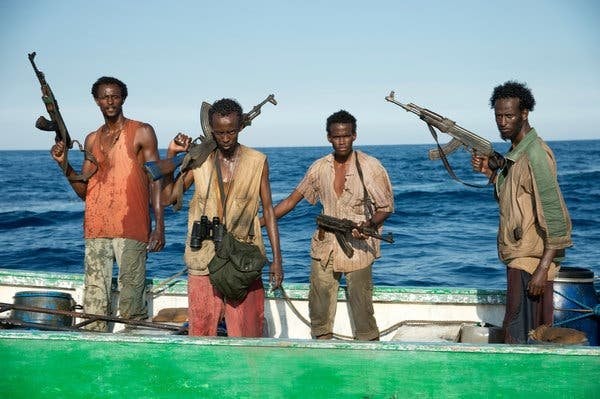
    Somali piracy and Turkey in Somalia (photo 1 of 4)
    Somali piracy and Turkey in Somalia (photo 2 of 4)
    Somali piracy and Turkey in Somalia (photo 3 of 4)
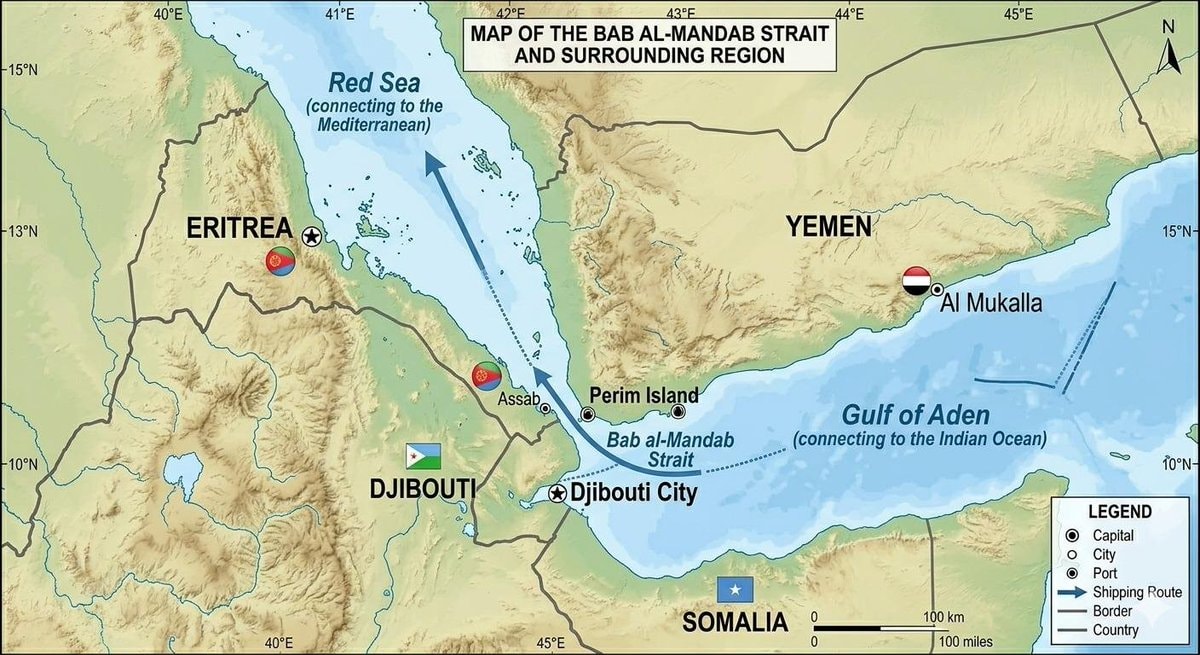
    Somali piracy and Turkey in Somalia (photo 4 of 4)

    @jolyonThe strategic math around Somalia does not require anyone to be coordinating with anyone else. Weak institutions, outside military presence, local graft, piracy, and ongoing war can all sit in the same narrow waterway and produce a disaster on their own. That is the argument worth sitting with, because the geography underneath it is not incidental. Somalia sits below the Gulf of Aden and the approaches to Bab el-Mandeb. Yemen is straight across the water. The Red Sea and Suez are north. Hormuz is northeast. Calling this peripheral would be a mistake. It is one of the most consequential maritime corridors anywhere. Piracy has come back to those waters. At least 15 vessels have reportedly been attacked around Somalia and the Gulf of Aden in 2026, which is a sharp jump from the year before. The easy read is that pirates saw a window. Naval attention has been pulled toward Iran, Hormuz, and Yemen, since the Houthis have expanded their position along Yemen's Red Sea coast and around Bab el-Mandeb. Security coverage across the Gulf of Aden has gotten thinner as a result. Pirates noticed. One hijacking, though, points at something bigger going on inside Somalia itself. In August, pirates seized the MV LUTUF off Puntland. The vessel was reportedly carrying Turkish weapons, satellite equipment, and communications systems meant for Turkey's military presence in Mogadishu. Somali and Turkish forces later said they had freed the ship in a military operation. Puntland authorities say that is not what happened. They claim they monitored phone contacts between senior Somali federal officials and the pirates, and allege that officials helped facilitate a ransom payment. That allegation has not been independently proven. Still, you have one Somali authority saying the pirates were beaten and another saying they were paid off with help from people inside the federal government. Turkey sits in the middle of the whole episode. That matters because Ankara is no longer just an ally of Somalia. Turkey trains thousands of Somali troops, including elite units. It runs its largest overseas military training facility in Mogadishu. Turkish companies are deeply involved in the capital's port and airport. Ankara holds a 10-year maritime-security agreement with Somalia and is helping develop its naval capacity. It has also allegedly been caught up in most of the security crackdowns against protesters this year. On top of that, Turkey is drilling for offshore oil. Security, infrastructure, shipping, energy, and politics all run through this relationship now. Which makes Somalia's internal political crisis much more consequential. President Hassan Sheikh Mohamud's government is locked in an increasingly bitter confrontation with Puntland, Jubaland, and major opposition figures over constitutional changes, elections, and the future balance of power inside the federation. He illegally extended his own mandate by a year in May. Government troops have already clashed with opposition-aligned forces in Mogadishu. Some of the federal units involved in domestic security were trained and equipped by Turkey. There is no solid evidence that Ankara ordered attacks on protesters or opposition figures, yet allegations pointing to that conclusion are rampant. The larger question is hard to avoid. What happens when forces built by a foreign power to strengthen the Somali state start appearing in struggles over who controls that state? And why is Turkey investing so heavily in keeping Mogadishu strong? Turkey now has military access, political influence, port interests, offshore energy interests, and a long-term security role along that coastline. At the same time, piracy is returning with local impunity, Somalia's federal system is fracturing politically, and the waters opposite it are increasingly dominated by armed actors. None of this proves some coordinated Turkish-Somali-pirate conspiracy. The more serious problem is that no conspiracy is required. Overlapping interests, weak institutions, foreign military penetration, local corruption, piracy, and war operating in the same narrow strip of water produce the same strategic disaster on their own. Hormuz is under pressure. Bab el-Mandeb is under pressure. Somali piracy is rising again. And Turkey is quietly becoming one of the most important outside powers on the African side of the corridor. That is why Somalia suddenly matters far beyond Somalia. The fight for the Red Sea is no longer taking place on one shore.

    Ver publicación original
    Somali piracy and Turkey in Somalia

    Foto de @jolyon· Sep 12, 2026· Foto 1 de 4· News

    Sobre esta foto

    A group of four men are on a boat in the ocean. They are all holding rifles and appear to be posing for a photo. The mood is serious and intense. One man on the far left has an orange tank top and camouflage pants. The man next to him has a bag with binoculars. The man on the far right is wearing a green jacket.

    Ver todas las fotos de News

    ?

    Más fotos de News

    Ver todas las fotos de News
    1932 Japanese map of Europe1932 Japanese map of EuropeAutonomous plane US flight milestone2Autonomous plane US flight milestoneGermany F-35 nuclear role2Germany F-35 nuclear roleTrump returns to White House from Camp DavidTrump returns to White House from Camp DavidMrBeast Ghana village project2MrBeast Ghana village projectCalifornia man arrested movie theater2California man arrested movie theaterRep. Lauren Boebert portraitRep. Lauren Boebert portraitWendy's yellow packagingWendy's yellow packagingBig U court hearing refusalBig U court hearing refusalTwo-headed Diamondback turtle found in Massachusetts2Two-headed Diamondback turtle found in MassachusettsShoji Morimoto doing nothing job2Shoji Morimoto doing nothing jobCerulean Warbler on branch2Cerulean Warbler on branchLauren Boebert ethics complaintLauren Boebert ethics complaintAvery the Poke Kid YouTube milestone2Avery the Poke Kid YouTube milestoneDave Matthews sign for PalestineDave Matthews sign for PalestineSusy Isabel Aponte PoloSusy Isabel Aponte PoloBig U legal enforcementBig U legal enforcementToys R Us expansion announcementToys R Us expansion announcement
    Foto
    Jolyon
    Jolyon@jolyon1w
    💭News💭Politics
    Somali piracy and Turkey in Somalia (photo 1 of 4)
    Somali piracy and Turkey in Somalia (photo 2 of 4)
    Somali piracy and Turkey in Somalia (photo 3 of 4)
    Somali piracy and Turkey in Somalia (photo 4 of 4)

    @jolyonThe strategic math around Somalia does not require anyone to be coordinating with anyone else. Weak institutions, outside military presence, local graft, piracy, and ongoing war can all sit in the same narrow waterway and produce a disaster on their own. That is the argument worth sitting with, because the geography underneath it is not incidental. Somalia sits below the Gulf of Aden and the approaches to Bab el-Mandeb. Yemen is straight across the water. The Red Sea and Suez are north. Hormuz is northeast. Calling this peripheral would be a mistake. It is one of the most consequential maritime corridors anywhere. Piracy has come back to those waters. At least 15 vessels have reportedly been attacked around Somalia and the Gulf of Aden in 2026, which is a sharp jump from the year before. The easy read is that pirates saw a window. Naval attention has been pulled toward Iran, Hormuz, and Yemen, since the Houthis have expanded their position along Yemen's Red Sea coast and around Bab el-Mandeb. Security coverage across the Gulf of Aden has gotten thinner as a result. Pirates noticed. One hijacking, though, points at something bigger going on inside Somalia itself. In August, pirates seized the MV LUTUF off Puntland. The vessel was reportedly carrying Turkish weapons, satellite equipment, and communications systems meant for Turkey's military presence in Mogadishu. Somali and Turkish forces later said they had freed the ship in a military operation. Puntland authorities say that is not what happened. They claim they monitored phone contacts between senior Somali federal officials and the pirates, and allege that officials helped facilitate a ransom payment. That allegation has not been independently proven. Still, you have one Somali authority saying the pirates were beaten and another saying they were paid off with help from people inside the federal government. Turkey sits in the middle of the whole episode. That matters because Ankara is no longer just an ally of Somalia. Turkey trains thousands of Somali troops, including elite units. It runs its largest overseas military training facility in Mogadishu. Turkish companies are deeply involved in the capital's port and airport. Ankara holds a 10-year maritime-security agreement with Somalia and is helping develop its naval capacity. It has also allegedly been caught up in most of the security crackdowns against protesters this year. On top of that, Turkey is drilling for offshore oil. Security, infrastructure, shipping, energy, and politics all run through this relationship now. Which makes Somalia's internal political crisis much more consequential. President Hassan Sheikh Mohamud's government is locked in an increasingly bitter confrontation with Puntland, Jubaland, and major opposition figures over constitutional changes, elections, and the future balance of power inside the federation. He illegally extended his own mandate by a year in May. Government troops have already clashed with opposition-aligned forces in Mogadishu. Some of the federal units involved in domestic security were trained and equipped by Turkey. There is no solid evidence that Ankara ordered attacks on protesters or opposition figures, yet allegations pointing to that conclusion are rampant. The larger question is hard to avoid. What happens when forces built by a foreign power to strengthen the Somali state start appearing in struggles over who controls that state? And why is Turkey investing so heavily in keeping Mogadishu strong? Turkey now has military access, political influence, port interests, offshore energy interests, and a long-term security role along that coastline. At the same time, piracy is returning with local impunity, Somalia's federal system is fracturing politically, and the waters opposite it are increasingly dominated by armed actors. None of this proves some coordinated Turkish-Somali-pirate conspiracy. The more serious problem is that no conspiracy is required. Overlapping interests, weak institutions, foreign military penetration, local corruption, piracy, and war operating in the same narrow strip of water produce the same strategic disaster on their own. Hormuz is under pressure. Bab el-Mandeb is under pressure. Somali piracy is rising again. And Turkey is quietly becoming one of the most important outside powers on the African side of the corridor. That is why Somalia suddenly matters far beyond Somalia. The fight for the Red Sea is no longer taking place on one shore.

    Ver publicación original
    Somali piracy and Turkey in Somalia

    Foto de @jolyon· Sep 12, 2026· Foto 1 de 4· News

    Sobre esta foto

    A group of four men are on a boat in the ocean. They are all holding rifles and appear to be posing for a photo. The mood is serious and intense. One man on the far left has an orange tank top and camouflage pants. The man next to him has a bag with binoculars. The man on the far right is wearing a green jacket.

    Ver todas las fotos de News

    ?

    Más fotos de News

    Ver todas las fotos de News
    1932 Japanese map of Europe1932 Japanese map of EuropeAutonomous plane US flight milestone2Autonomous plane US flight milestoneGermany F-35 nuclear role2Germany F-35 nuclear roleTrump returns to White House from Camp DavidTrump returns to White House from Camp DavidMrBeast Ghana village project2MrBeast Ghana village projectCalifornia man arrested movie theater2California man arrested movie theaterRep. Lauren Boebert portraitRep. Lauren Boebert portraitWendy's yellow packagingWendy's yellow packagingBig U court hearing refusalBig U court hearing refusalTwo-headed Diamondback turtle found in Massachusetts2Two-headed Diamondback turtle found in MassachusettsShoji Morimoto doing nothing job2Shoji Morimoto doing nothing jobCerulean Warbler on branch2Cerulean Warbler on branchLauren Boebert ethics complaintLauren Boebert ethics complaintAvery the Poke Kid YouTube milestone2Avery the Poke Kid YouTube milestoneDave Matthews sign for PalestineDave Matthews sign for PalestineSusy Isabel Aponte PoloSusy Isabel Aponte PoloBig U legal enforcementBig U legal enforcementToys R Us expansion announcementToys R Us expansion announcement