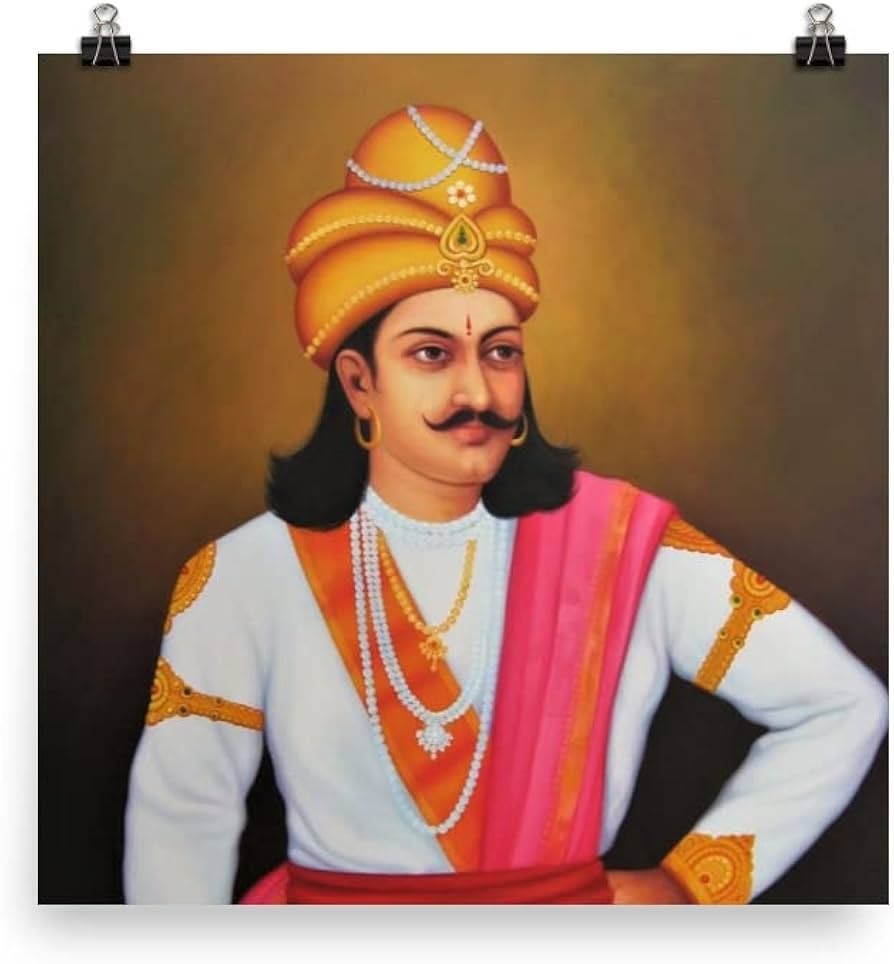
Ashoka
Also known as: Devanampriya Priyadarshi, Ashoka the Great
Fecha de nacimiento
304 BCE
Signo zodiacal
Capricorn
Lugar de nacimiento
Pataliputra (modern Patna, Bihar, India)
Edad
Falleció a los 72
Acerca de
Ashoka was the third Mauryan emperor who ruled over a vast empire stretching from Afghanistan to Bangladesh from his capital at Pataliputra. He is best known for his dramatic transformation from a ruthless conqueror to a peacemaker after the bloody Kalinga War. Today, his legacy is woven into the fabric of modern India: the Lion Capital of Ashoka serves as the national emblem and the Ashoka Chakra adorns the center of the national flag. His edicts, carved on pillars and rocks across the subcontinent, are among the earliest decipherable written records in South Asia. They promote nonviolence, religious tolerance, and ethical governance. Ashoka's patronage helped transform Buddhism from a regional sect into a global faith, with missionaries dispatched as far as Sri Lanka and the Hellenistic world. For centuries after his death, he was largely forgotten until 19th-century scholars deciphered the Brahmi script and rediscovered his empire. In 1999, TIME magazine listed him among the 100 most important people of the past millennium.
Primeros años y orígenes
Ashoka nació alrededor del 304 a. C. en Pataliputra, hijo del emperador Bindusara y la reina Subhadrangi, una reina menor. Según textos budistas como el Ashokavadana, no era el favorito de su padre y se le describía como de tez áspera, lo que llevó al abandono. Recibió la formación principesca estándar en guerra, arte de gobernar y administración. Un momento crucial llegó cuando su padre lo envió a sofocar una rebelión en la región de Avanti, centrada en Ujjain. Ashoka tuvo éxito, demostrando su capacidad militar. Durante este destino, se enamoró de Devi, la hija de un comerciante de Vidisha, quien se convirtió en su primera esposa y se cree que lo introdujo a las enseñanzas budistas. Cuando Bindusara murió alrededor del 272 a. C., estalló una brutal guerra de sucesión. Las fuentes budistas afirman que Ashoka mató a 99 de sus medio hermanos para asegurar el trono, aunque esto probablemente sea exagerado. Tras un interregno de cuatro años, fue coronado formalmente en el 268 a. C. a los 36 años.
Trayectoria profesional
El reinado de Ashoka comenzó con expansión militar, pero todo cambió con la Guerra de Kalinga alrededor del 260 a. C. La campaña fue la más sangrienta de su gobierno, dejando aproximadamente 100,000 muertos y 150,000 deportados. Horrorizado por la carnicería, Ashoka abrazó públicamente el budismo y adoptó la política de dhamma, o conducta recta. Renunció a la conquista militar y se centró en el gobierno moral. Durante las siguientes dos décadas, erigió 33 edictos inscritos en pilares, rocas y paredes de cuevas en todo su imperio, escritos en prácrito, griego y arameo. Estos edictos promovían la no violencia, la tolerancia religiosa, el bienestar animal y el comportamiento ético. Alrededor del 250 a. C., convocó el Tercer Concilio Budista en Pataliputra para purificar el sangha y resolver disputas doctrinales. Luego envió misioneros a Sri Lanka, liderados por su hijo Mahinda y su hija Sanghamitta, y al sudeste asiático, Asia Central y los reinos helenísticos. También construyó miles de estupas y monasterios, siendo los más famosos la Gran Estupa en Sanchi y el Capitel del León en Sarnath, que más tarde se convirtió en el emblema nacional de la India. Ashoka murió en el 232 a. C. a los 72 años aproximadamente. En 50 años, el Imperio Maurya comenzó a declinar.
Cronología profesional
Imagen pública y estilo
Ashoka es típicamente representado como una figura regia con una expresión tranquila y contemplativa, a menudo mostrado con símbolos budistas como el loto, la rueda y la estupa. Su imagen es la de un héroe trágico que experimentó una profunda transformación moral. Películas, libros y documentales enfatizan la Guerra de Kalinga como el punto de inflexión. Comunidades en línea, como el subreddit r/Ashoka con 5,000 miembros, discuten sus edictos y debaten su historicidad. Los canales académicos y documentales lo presentan como un modelo de gobierno ético. El hashtag Ashoka en Instagram tiene más de 50,000 publicaciones, y las páginas de fans en Facebook tienen seguidores combinados que superan los 100,000. Su historia resuena en las audiencias como un ejemplo atemporal de redención y el poder de la no violencia.
Fama y fandom
The historical figure of Ashoka commands a following that transcends the modern concept of fandom, consisting primarily of historians, Buddhists, and students of antiquity rather than an organized collective with a specific name. While no fanbase gathers to celebrate his birthday or commission digital billboards, his legacy persists through the enduring study of his edicts and the veneration of his monuments across South Asia. This unique form of devotion places him firmly within the global consciousness, a status quantified by recent data from the iFANN Global Fame Rankings. In August 2026, Ashoka was recorded as the 28th most famous person in Sri Lanka, a position he has held steady since the previous cycle. This ranking reflects the deep cultural imprint of his reign on the island nation, where his influence remains a central pillar of national identity and religious history. The placement underscores how ancient figures can maintain significant prominence long after their physical erasure, driven by continuous educational and cultural engagement. His presence in this dataset confirms that his narrative continues to resonate across borders, bridging millennia of human experience without the need for active campaigning or media cycles typical of contemporary celebrities.
Datos interesantes y leyendas
Ashoka's edicts mention five contemporary Greek kings, including Antiochus II and Ptolemy II, demonstrating the diplomatic reach of his empire. The name Ashoka translates to without sorrow in Sanskrit. He was the first Indian ruler to leave behind decipherable written records. Ashoka banned animal sacrifices, restricted meat consumption, and established hospitals for both humans and animals. He also created a network of roads complete with rest houses and shade trees. The Ashoka Chakra features 24 spokes, representing the 12 causal links of dependent origination and 12 aspects of the Buddha's teachings. His empire covered approximately 5 million square kilometers. He remained forgotten in Indian history until British scholar James Prinsep deciphered the Brahmi script in 1837, revealing the contents of his edicts. A widely retold legend describes his transformation from a ruthless conqueror to a benevolent ruler after the devastation of the Kalinga War. Historical accounts state he was horrified by the massive loss of life and subsequently renounced violence to adopt Buddhism. Another legendary aspect involves his patronage of Buddhism, where he is credited with remaking the Mauryan state into a society based on tolerance and nonviolence. This era saw the construction of thousands of stupas and the erection of stone pillars inscribed with his message of Dharma across the subcontinent.
Frases destacadas
“All men are my children. As for my children, I desire that they may be provided with all the welfare and happiness of this world and of the next.”
“The Dhamma is good. What is Dhamma? It is having few faults and many good deeds, mercy, charity, truthfulness, and purity.”
“Beloved-of-the-Gods, King Piyadasi, conquered Kalinga... 150,000 people were deported, 100,000 were killed, and many more died.”
“The only true conquest is the conquest of the self.”
Familia y vida personal
Ashoka era hijo del emperador Bindusara y la reina Subhadrangi. Tuvo muchos medio hermanos, y la tradición budista afirma que tuvo 99 hermanos. Su abuelo fue Chandragupta Maurya, fundador del Imperio Maurya. Ashoka tuvo al menos cinco esposas: Devi, Asandhimitra, Karuvaki, Padmavati y Tishyaraksha. Sus hijos incluyen a Mahinda y Sanghamitta (con Devi), Tivala (con Karuvaki), Kunala (con Padmavati), Jalauka (madre incierta) y posiblemente Charumati. Mahinda y Sanghamitta se convirtieron en misioneros budistas en Sri Lanka. Kunala fue cegado en una intriga palaciega que involucraba a Tishyaraksha. La casa de Ashoka estaba centrada en Pataliputra, y su vida familiar estuvo marcada tanto por la devoción como por la tragedia.
Conexiones destacadas
El reinado de Ashoka fue moldeado por figuras clave. Moggaliputta Tissa presidió el Tercer Concilio Budista. Su hijo Mahinda y su hija Sanghamitta lideraron misiones a Sri Lanka. Su primera esposa Devi lo introdujo al budismo. Su abuelo Chandragupta Maurya fundó el imperio. Su padre Bindusara fue su predecesor. En tiempos modernos, el erudito británico James Prinsep descifró la escritura Brahmi, redescubriendo el legado de Ashoka.
Relaciones e historial sentimental
Ashoka tuvo cinco esposas conocidas. Su primera esposa fue Devi, hija de un comerciante de Vidisha, con quien se casó alrededor del 275 a.C. Tuvieron dos hijos, Mahinda y Sanghamitta, y se le atribuye haberlo introducido al budismo. Su separación fue amistosa; ella permaneció en Vidisha después de su ascenso. Su reina principal durante la mayor parte de su reinado fue Asandhimitra, casada alrededor del 268 a.C., conocida por su sabiduría y devoción al budismo; murió alrededor del 240 a.C. Karuvaki, casada alrededor del 265 a.C., es la única reina mencionada por su nombre en sus edictos (Edicto de la Reina) y fue madre del príncipe Tivala. Padmavati, casada alrededor del 260 a.C., fue madre del príncipe Kunala, quien más tarde fue cegado en una intriga palaciega. Su última reina principal fue Tishyaraksha, casada alrededor del 240 a.C., quien es retratada negativamente en textos budistas por supuestamente causar el cegamiento de Kunala. Ashoka murió en el 232 a.C., y no se registran relaciones después de su muerte.
- Casado/aDevi-275 - -260Se conocieron mientras Ashoka era gobernador de Ujjain; madre de Mahinda y Sanghamitta; se separaron amistosamente, ella permaneció en Vidisha.
- Casado/aAsandhimitra-268 - -240Reina consorte principal durante la mayor parte del reinado de Ashoka; conocida por su sabiduría y devoción budista; falleció antes que él.
- Casado/aKaruvaki-265 - -232Única reina mencionada por nombre en los edictos de Ashoka; madre del príncipe Tivala.
- Casado/aPadmavati-260 - -232Madre del príncipe Kunala, quien más tarde fue cegado en una intriga palaciega.
- Casado/aTishyaraksha-240 - -232Última reina principal; retratada negativamente en textos budistas por supuestamente causar el cegamiento de Kunala.
Muerte y repercusiones
Fallecimiento
232 BCE (a los 72 años)
Lugar de fallecimiento
Desconocido
Causa de la muerte
Desconocido
Ashoka died in 232 BCE. Historical chronicles such as the Dipavamsa and Mahavamsa suggest he passed away in his old age or following a period of illness, though no specific cause or medical record survives from the third century BCE. The transition of power to his son Dasharatha was a dynastic succession rather than a legal dispute, yet the empire began to decline within fifty years due to weak successors and internal strife. Funeral arrangements followed ancient Indian royal customs involving cremation, with accounts in the Ashokavadana stating that his remains were divided among eight stupas distributed across his realm for public veneration.
These monuments, including those at Sanchi and Amaravati, served as enduring memorials. His legacy was propagated through the spread of Buddhism to Sri Lanka and Southeast Asia, a movement he championed during his lifetime. Modern recognition includes academic works like the 2024 Yale University Press publication A Shining Star of Kingship: Emperor Ashoka in the 3rd Century BCE and ongoing archaeological efforts such as the 2026 excavations at Vaishya Tekri in Ujjain. Institutions named in his honor, such as Ashoka University and the global network Ashoka USA, continue to reflect his influence on social entrepreneurship and education.
Patrimonio neto (valor de la herencia)
$0
Estimación del equipo editorial de iFANN
Ashoka is deceased, so no modern net worth applies. During his reign, the Mauryan treasury was among the largest in the ancient world, with annual revenues from land taxes, trade, and tribute estimated in hundreds of millions of silver coins (karshapanas). Historians estimate the empire's wealth at its peak was equivalent to billions of modern dollars in gold and land value. Today, his legacy generates significant value for India through tourism to sites like Sanchi, Sarnath, and the Ashoka Pillars. The Ashoka brand is used by hotels, airlines (Air India's Ashoka Chakra logo), and government institutions. No modern estate exists, and no posthumous earnings are attributed to him. Per iFANN's editorial analysis, the total net worth is $0.
Premios ganados (2)
Ashoka no recibió premios formales en el sentido moderno. Sin embargo, sus honores históricos incluyen los títulos autoproclamados Devanampiya (Amado de los Dioses) y Priyadarshi (De Aspecto Grato). Póstumamente, es ampliamente llamado Ashoka el Grande. El Capitel del León de Ashoka fue adoptado como Emblema Nacional de la India en 1950, y el Ashoka Chakra se convirtió en el motivo central de la bandera nacional de la India en 1947. La Gran Estupa de Sanchi, construida bajo su patrocinio, es Patrimonio de la Humanidad de la UNESCO.
1950 · Símbolo Nacional
Lion Capital of Ashoka
1947 · Símbolo Nacional
Ashoka Chakra
Conocido por
Mauryan Emperor
268 BCE - 232 BCE · Emperor
Edicts of Ashoka
c. 258 BCE - 240 BCE · Author
Patron of Buddhism
c. 259 BCE - 232 BCE · Patron
Palabras clave
Datos rápidos
- Profesión
- Emperor, Buddhist patron
- Nacimiento
- 304 BCE
- Lugar de nacimiento
- Pataliputra (modern Patna, Bihar, India)
- Fallecimiento
- 232 BCE
- Lugar de fallecimiento
- Pataliputra
- Género
- Hombre
- Cónyuge
- Devi, Asandhimitra, Karuvaki, Padmavati, Tishyaraksha
- Signo zodiacal
- Capricorn
Datos personales
- Nombre completo
- Devanampriya Priyadarshi
- Cónyuge
- Devi, Asandhimitra, Karuvaki, Padmavati, Tishyaraksha
- Hijos
- Mahinda, Sanghamitta, Tivala, Kunala, Jalauka, Charumati
- Educación
- Princely education in military tactics, statecraft, administration, and philosophy
Preguntas frecuentes
¿Quién fue Ashoka?
¿Cuál es el patrimonio neto de Ashoka en 2026?
¿Por qué es famoso Ashoka?
¿Qué es el Ashoka Chakra?
¿Cómo murió Ashoka?
Redes sociales
Personas similares
Únete a la comunidad
fans comentando