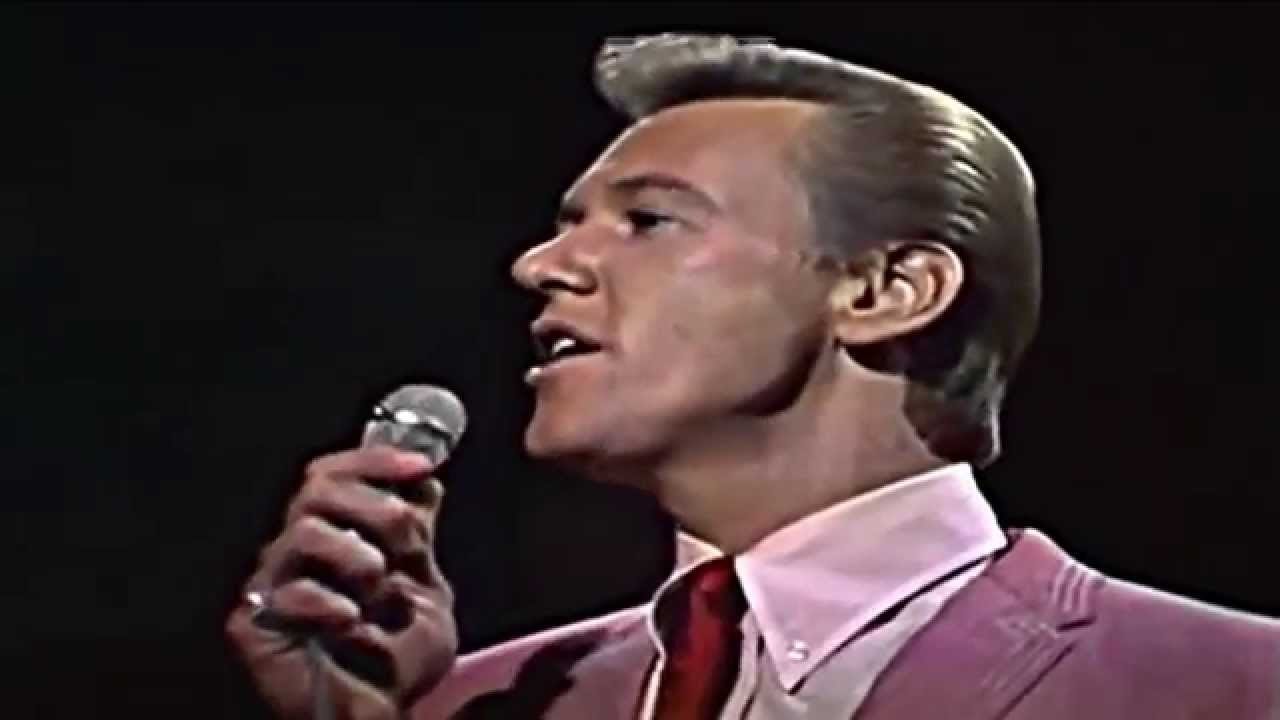
Bobby Hatfield
 United States
Member of The Righteous Brothers
Also known as: Robert Lee Hatfield, The Blonde Bomber
Fecha de nacimiento
August 10, 1940
Signo zodiacal
Leo
Lugar de nacimiento
Beaver Dam, Wisconsin, USA
Edad
Falleció a los 63
Acerca de
Bobby Hatfield fue un cantante estadounidense conocido principalmente como la voz de tenor del dúo the Righteous Brothers. Su imponente interpretación vocal en la grabación de 1965 de «Unchained Melody» sigue siendo una de las actuaciones más reconocibles en la historia de la música pop. Aunque compartió el protagonismo con Bill Medley durante la mayor parte de su carrera, la voz de Hatfield transmitía una urgencia emocional que definió el sonido del soul de ojos azules. Décadas después de su lanzamiento, su versión de «Unchained Melody» encontró una nueva audiencia a través de la película de 1990 Ghost, presentando su arte a una generación nacida después del éxito original. El legado de Hatfield se basa en un catálogo relativamente pequeño de grabaciones, pero el impacto de esas canciones perdura en la radio, el cine y la televisión de todo el mundo. The Righteous Brothers fueron incluidos en el Salón de la Fama del Rock and Roll en 2003 por Billy Joel, quien señaló que el alma de ojos azules puede trascender las limitaciones culturales. La voz de Hatfield sigue siendo descubierta por nuevos oyentes a través de plataformas de streaming y páginas de homenaje en redes sociales.
Primeros años y orígenes
Robert Lee Hatfield nació en Beaver Dam, Wisconsin, el 10 de agosto de 1940. Su padre, Carlan Signna Hatfield, regentaba una tintorería. Cuando Bobby tenía cuatro años, la familia se mudó a Anaheim, California, donde creció en un hogar de clase media. En la escuela secundaria de Anaheim, Hatfield fue un destacado deportista en tres disciplinas: jugó fútbol americano y béisbol, y fue capitán del equipo de baloncesto. También fue elegido presidente del cuerpo estudiantil para el año escolar 1957–1958 y se graduó en 1958.
Su habilidad atlética casi lo lleva por un camino diferente. Los Angeles Dodgers lo reclutaron como posible jugador profesional de béisbol, y consideró brevemente firmar. Pero la música ya se había apoderado de él. Mientras aún estaba en la secundaria, comenzó a organizar grupos vocales e instrumentales, actuando en locales locales. Después de graduarse, asistió a Fullerton College y más tarde a la Universidad Estatal de California, Long Beach, donde se unió a la fraternidad Sigma Alpha Epsilon. Continuó actuando, ayudando a sus padres con la tintorería durante el día y cantando en bares y bailes universitarios por la noche. Fue durante uno de esos conciertos que conoció a Bill Medley, quien actuaba con su propio grupo. Los dos entablaron amistad y pronto comenzaron a cantar juntos. En 1962, formaron un grupo de cinco miembros llamado the Paramours y tocaron su primer concierto juntos en un baile universitario. El nombre del dúo, the Righteous Brothers, surgió después de que un marine gritara esa frase tras una actuación en una base militar.
Trayectoria profesional
Su primer sencillo, «Hot Tamales» / «I Need a Girl», apareció en Moonglow Records en marzo de 1963. El gran avance llegó cuando el productor Phil Spector los fichó para su sello Philles. Su sencillo de 1965, «You've Lost That Lovin' Feeling», se convirtió en un éxito número uno y desde entonces ha sido citado como la canción más reproducida en la historia de la radio estadounidense. Ese mismo año, Hatfield grabó la voz solista de «Unchained Melody», que alcanzó el número cuatro en el Billboard Hot 100. Después de que el dúo se separara en 1968, Hatfield emprendió una carrera en solitario. Lanzó varios sencillos en Verve Records, incluyendo «Only You» / «The Wonder of You» (febrero de 1969), que alcanzó el puesto 95. En 1971, lanzó el álbum Messin' in Muscle Shoals, grabado en los estudios FAME en Alabama. El álbum no entró en las listas. Hatfield y Medley se reunieron en 1974 y consiguieron otro éxito entre los diez primeros con «Rock and Roll Heaven», que alcanzó el número tres. El dúo continuó de gira y grabando de forma intermitente, lanzando el álbum Reunion en 1991. En 1990, tras el uso de «Unchained Melody» en la película Ghost, Hatfield regrabó la canción, y el recopilatorio The Very Best of the Righteous Brothers subió al número 14 en la lista Billboard Catalog Albums. El 10 de marzo de 2003, the Righteous Brothers fueron incluidos en el Salón de la Fama del Rock and Roll por Billy Joel.
Cronología profesional
Imagen pública y estilo
La imagen pública de Hatfield estaba definida por su voz: un tenor claro y potente que podía pasar de una ternura vulnerable a una intensidad cruda en una sola frase. En el escenario, era el contrapunto enérgico al barítono de Bill Medley, a menudo moviéndose por el escenario con una energía cinética que igualaba su entrega vocal. En la cobertura mediática, fue descrito constantemente como la mitad «rubia» del dúo, y su buen aspecto lo convirtió en un ídolo adolescente a mediados de la década de 1960. Tras su muerte, los homenajes destacaron su calidez y profesionalismo. La base de fans de the Righteous Brothers sigue activa entre los oyentes de radio de oldies y los entusiastas del soul clásico, con páginas de homenaje en Facebook y YouTube que preservan sus actuaciones. La voz de Hatfield, particularmente en «Unchained Melody», sigue siendo descubierta por nuevos oyentes a través del cine y el streaming. La música del dúo aparece con frecuencia en programas de televisión y anuncios, manteniendo su relevancia cultural.
Fama y fandom
The audience for Bobby Hatfield lacks a formal collective name, with engagement instead manifesting as scattered remembrance posts on social platforms where fans mark his birth and death anniversaries. Unlike modern pop phenomena, there are no documented fan-funded campaigns, organized rituals, or specific monikers dedicated solely to him; the legacy is preserved through retrospective sharing rather than structured movement. The cultural mythology surrounding Hatfield rests almost entirely on the enduring power of his vocal performance in "Unchained Melody," a track that defined the Blue-Eyed Soul sound and found a second life through the 1990 film Ghost. This single recording serves as the primary anchor for his reputation, contrasting his high tenor with raw emotional intensity. While Bill Medley continues to tour under the Righteous Brothers name to honor his late partner, these performances function as the de facto ritual for fans seeking to connect with Hatfield's memory. Regarding global standing, iFANN has evaluated this subject but determined he currently holds no placement in the published rankings. Consequently, there is no numerical rank to cite for his position among the world's most famous individuals. The absence of a specific ranking reflects his status as a legacy artist whose fame is concentrated in historical impact rather than current viral metrics. His recognition remains tied to a specific era of music history and a singular, iconic recording rather than broad contemporary visibility. The scale of his influence is evident in the continued rotation of his work across media channels, yet the data indicates he does not occupy a slot within the Global Top 1,000 or any scope-specific list at this time. This neutral evaluation stands as the definitive measure of his current fame profile.
Datos interesantes y leyendas
Hatfield was known among friends and bandmates as "The Blonde Bomber," a nickname referencing his fair hair and energetic stage presence. He was scouted by the Los Angeles Dodgers for professional baseball before choosing a career in music. His death occurred on November 5, 2003, just thirty minutes before the duo was scheduled to perform at Miller Auditorium on the Western Michigan University campus. The Kalamazoo County medical examiner later ruled the cause a cocaine-induced thrombotic heart attack. "You've Lost That Lovin' Feeling" is recognized by BMI as the most-performed song of the twentieth century on American radio. Hatfield's 1990 re-recording of "Unchained Melody" was produced specifically to capitalize on the renewed interest from Ghost. The session musicians on many Righteous Brothers recordings were part of the famed Wrecking Crew. One of the most enduring legends surrounding Hatfield is the story of how he recorded "Unchained Melody" in a single take. Frustrated that Bill Medley had taken the lead on "You've Lost That Lovin' Feelin'," Hatfield demanded his own showcase. When producer Phil Spector played him the song, Hatfield reportedly nailed it in one take, with no rehearsal, producing a vocal performance that would become iconic. This story, verified through interviews with both Hatfield and Medley, remains a favorite among fans. Another legend concerns the friendly rivalry over "You've Lost That Lovin' Feelin'," which motivated Hatfield to pursue "Unchained Melody," a song that would eventually achieve comparable fame. The irony of that outcome is a point fans still discuss when reflecting on their partnership.
Frases destacadas
“Sometimes people with blue eyes transcended the limitations of what their color and culture can actually be.", Billy Joel, at the 2003 Rock Hall induction”
Familia y vida personal
El padre de Hatfield, Carlan Signna Hatfield, regentaba la tintorería que Bobby ayudaba a gestionar durante sus primeros años. El nombre de su madre no está ampliamente registrado. Hatfield se casó tres veces. Se casó con Barbara Mlanahan en 1962, poco antes de que the Righteous Brothers triunfaran; el matrimonio terminó en divorcio, aunque no se registra el año exacto. El 30 de octubre de 1965, se casó con Alberta Joy Colsant, conocida profesionalmente como Joy Ciro. Tuvieron dos hijos antes de divorciarse en enero de 1976. Su tercer matrimonio fue con Linda Jean Torrison el 4 de agosto de 1979. Tuvieron dos hijos y permanecieron casados hasta la muerte de Hatfield. Linda estaba con él en Kalamazoo en el momento de su fatal ataque cardíaco. Hatfield tuvo cuatro hijos en total.
Conexiones destacadas
Bill Medley fue el compañero de canto de Hatfield en los Righteous Brothers durante más de cuatro décadas. El productor Phil Spector firmó al dúo con Philles Records y produjo sus mayores éxitos. Billy Joel indujo a los Righteous Brothers al Salón de la Fama del Rock and Roll en 2003. The Wrecking Crew, un grupo de músicos de sesión de Los Ángeles, tocó en muchas de las grabaciones clásicas del dúo.
Relaciones e historial sentimental
El primer matrimonio de Hatfield fue con Barbara Mlanahan en 1962, justo cuando su carrera despegaba. El matrimonio terminó en divorcio, aunque no se registra el año exacto. En 1965, se casó con Alberta Joy Colsant, una cantante conocida como Joy Ciro. Tuvieron dos hijos antes de divorciarse en enero de 1976. Su tercer y último matrimonio fue con Linda Jean Torrison el 4 de agosto de 1979. Tuvieron dos hijos y permanecieron juntos hasta su muerte en 2003. Linda estaba con él en Kalamazoo en el momento de su fatal ataque al corazón. A partir de 2026, Hatfield ha fallecido; en el momento de su muerte, estaba casado con Linda Torrison.
- Casado/aBarbara Mlanahan1962 - presenteCasado en 1962; divorciado, año desconocido.
- Casado/aAlberta Joy Colsant (Joy Ciro)1965 - 1976Casado el 30 de octubre de 1965; divorciado en enero de 1976; dos hijos.
- Casado/aLinda Jean Torrison1979 - 2003Casado el 4 de agosto de 1979; permaneció casado hasta la muerte de Hatfield; dos hijos.
Muerte y repercusiones
Fallecimiento
November 5, 2003 (a los 63 años)
Lugar de fallecimiento
Kalamazoo, Michigan
Causa de la muerte
Desconocido
While the Righteous Brothers were on tour in Michigan, Robert Lee Hatfield was staying at the Kalamazoo Marriott Hotel in Kalamazoo. On November 5, 2003, he was discovered deceased in his room by his brother-in-law after failing to appear for a scheduled soundcheck or performance that day. At the time of his passing, Hatfield was sixty-three years old, having been born on August 10, 1940. Tributes followed quickly from industry figures, with BMI issuing a news release on November 6, 2003, marking the loss of one half of their legendary duo. His partner Bill Medley reflected on the difficulty of continuing the legacy without him, noting the near-impossible task of replacing Hatfield's unique vocal presence.
Details regarding the date, location, or nature of a funeral or memorial service remain unrecorded, leaving it unclear whether a public ceremony was held or if services were conducted privately by the family. Posthumous interest in the artist's work continued decades later, highlighted by reviews of archival material like Stay With Me, The Richard Perry Sessions in 2020. He was inducted into various halls of fame and honored through tributes by the music industry, though specific dates of induction are not detailed in the available texts. Specific financial arrangements or probate details established after his passing were not disclosed.
Patrimonio neto (valor de la herencia)
$5 Million
Estimación del equipo editorial de iFANN
iFANN's editorial analysis currently estimates Bobby Hatfield's estate value at approximately $5 million. Because he died without a publicly disclosed will or probate filing, the exact figure is difficult to pin down. The bulk of the estate's income comes from the Righteous Brothers catalog, which continues to generate royalties through streaming, digital downloads, and radio airplay. "You've Lost That Lovin' Feeling" is recognized as the most-played song on American radio, providing a steady stream of performance royalties. The 1990 resurgence of "Unchained Melody" following the film Ghost significantly boosted catalog sales and licensing fees. The song has been used in numerous films, television shows, and commercials since then. Hatfield's estate also earns from the duo's album sales, compilation appearances, and occasional sync licenses. No information is available about who manages the estate or whether there have been any catalog sales. The Righteous Brothers' music continues to generate revenue through licensing for media projects.
Premios ganados (1)
El único gran honor individual de Bobby Hatfield fue su inducción al Salón de la Fama del Rock and Roll como miembro de Righteous Brothers en 2003. El dúo recibió una nominación al Grammy por "You've Lost That Lovin' Feeling", pero no ganó. No se documentaron otros premios en solitario.
2003 · Intérprete
The Righteous Brothers
Conocido por
Unchained Melody
1965 · Solo vocalist
You've Lost That Lovin' Feeling
1965 · Tenor vocalist
Messin' in Muscle Shoals
1971 · Álbum en solitario
Palabras clave
Fuentes
Datos rápidos
- Profesión
- singer
- Nacimiento
- August 10, 1940
- Lugar de nacimiento
- Beaver Dam, Wisconsin, USA
- Fallecimiento
- November 5, 2003
- Lugar de fallecimiento
- Kalamazoo, Michigan, USA
- Género
- Hombre
- Signo zodiacal
- Leo
Datos personales
- Nombre completo
- Robert Lee Hatfield
- Cónyuge
- Linda Jean Torrison
- Hijos
- Four (two with Joy Ciro, two with Linda Torrison)
- Educación
- Anaheim High School (1958); Fullerton College; California State University, Long Beach
Preguntas frecuentes
¿Cómo murió Bobby Hatfield?
¿Estuvo casado Bobby Hatfield?
¿Cuál era el patrimonio neto de Bobby Hatfield?
¿Qué edad tenía Bobby Hatfield cuando murió?
¿Tuvo hijos Bobby Hatfield?
Personas similares
Únete a la comunidad
fans comentando