A Dog of Flanders
Ouida
Resumen
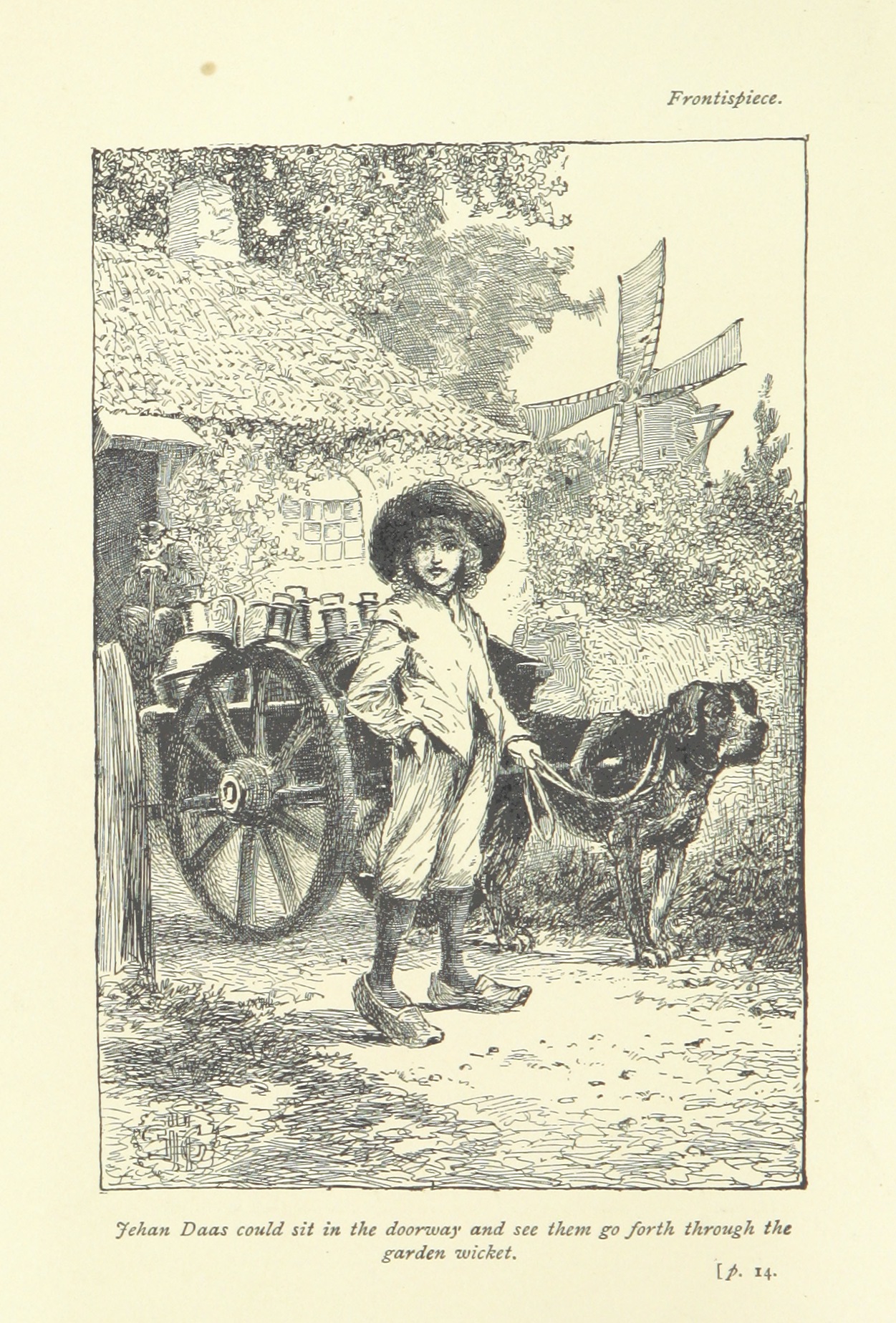
A single illustration by E. B. Bensell accompanied the first installment of this story when it appeared in Lippincott's Magazine during December 1871. The serialized narrative quickly gained traction before J. B. Lippincott & Co. released the complete novella as a book on January 25, 1872, in Philadelphia. Chapman and Hall followed with the British edition later that year, expanding the text from its original 22-page magazine version to a 64-page volume.
Nello lives in a crumbling cottage near Antwerp with his grandfather Jehan Daas, a painter whose hands were ruined by rheumatism. After finding Patrasche, a massive dog left for dead on a snowy road, the boy and his elder find an unlikely partner who helps them earn money hauling milk cans. Nello teaches himself to paint using charcoal and iodine while dreaming of viewing Peter Paul Rubens's masterpiece The Raising of the Cross inside the city cathedral. The church demands a franc for admission behind a curtain, a sum the family cannot afford as winter deepens their poverty.
The narrative builds toward a moment where freezing snow claims both boy and dog outside the cathedral doors just as they open. They die on the steps looking at the Rubens painting through the opening but never enter the building. This tragic ending shocked Victorian readers and remains one of the most discussed conclusions in children's literature history.
Palabras clave
Fuentes
Información del libro
- Autor
- Ouida
- Editorial
- J. B. Lippincott & Co.
- Publicado
- January 25, 1872
- Páginas
- 64
- Idioma
- English
- Autor
- Ouida (Marie Louise de la Ramée)
- First published
- December 1871 (magazine); January 25, 1872 (book)
- Original publisher
- J. B. Lippincott (US); Chapman and Hall (UK)
- Idioma
- English
- Páginas
- 22 (magazine); 64 (first UK edition)
- Géneros
- Children's literature, tragedy, sentimental fiction
Únete a la comunidad
fans comentando