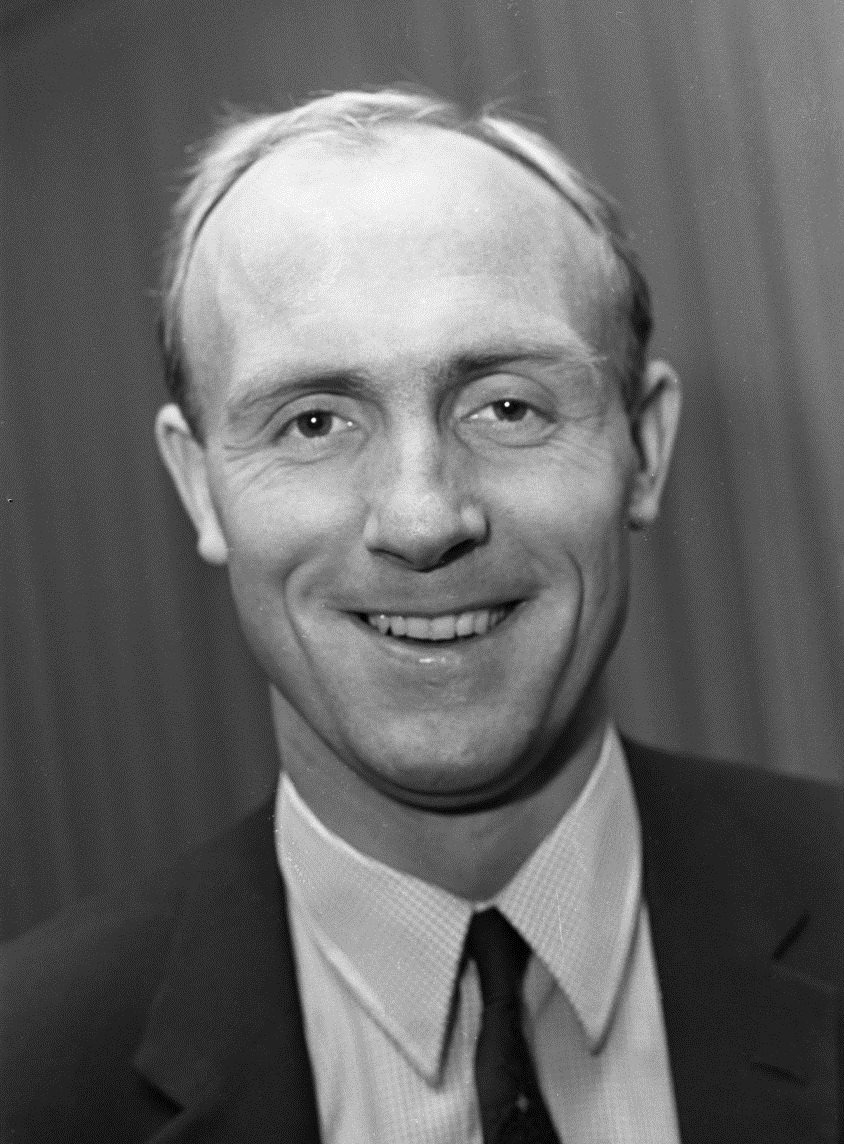

Don Howe
 United Kingdom
futbolista•entrenador de fútbol
Also known as: Donald Howe
Fecha de nacimiento
October 12, 1935
Signo zodiacal
Libra
Lugar de nacimiento
Wolverhampton, Staffordshire, England
Edad
Falleció a los 80
Estatura
5 ft 10 in (1.78 m)
Acerca de
Donald Howe fue un futbolista, entrenador y mánager inglés que marcó el juego durante décadas. Jugó como lateral derecho para el West Bromwich Albion y el Arsenal, y obtuvo 23 internacionalidades con Inglaterra, incluyendo participaciones en la Copa del Mundo de 1958. Tras una lesión en la pierna que puso fin a sus días como jugador, Howe se convirtió en uno de los entrenadores más respetados del fútbol inglés. Fue una figura clave en el equipo del Arsenal que ganó el Doblete en 1971 y posteriormente dirigió varios clubes, incluidos West Brom, Arsenal, Galatasaray, Queens Park Rangers y Coventry City. Su mente táctica y su capacidad como entrenador dejaron una huella perdurable en el deporte.
Howe era conocido por su carácter tranquilo y su profundo conocimiento del juego. Ayudó a revolucionar el entrenamiento defensivo en Inglaterra, influyendo en una generación de jugadores y entrenadores. Su trabajo en el Wimbledon sentó las bases para su famosa victoria en la FA Cup de 1988. Incluso después de retirarse de la dirección técnica, permaneció activo como comentarista y asesor. Howe falleció en 2015 a los 80 años, pero su legado perdura a través de los muchos jugadores y entrenadores a los que asesoró.
Primeros años y orígenes
Don Howe creció en Wolverhampton, donde el fútbol era una parte central de su infancia. Asistió a escuelas locales y jugó al fútbol escolar, desarrollando las habilidades que lo llevarían a una carrera profesional. A los 15 años, en diciembre de 1950, firmó como aficionado con el West Bromwich Albion, el club de su ciudad natal. Se hizo profesional poco después e hizo su debut en el primer equipo en la temporada 1952-53. Howe se estableció rápidamente como un lateral derecho confiable, conocido por su sentido de la posición y su compostura con el balón.
Trayectoria profesional
La carrera como jugador de Howe alcanzó su punto máximo con 379 apariciones con el West Brom y 23 internacionalidades con Inglaterra. Jugó todos los partidos de Inglaterra en la Copa del Mundo de 1958, incluido un histórico empate 0-0 con Brasil. En 1964, se unió al Arsenal por £70,000 y se convirtió en capitán, pero una grave lesión en la pierna en 1966 lo obligó a retirarse a los 30 años. Ese contratiempo lo llevó a su carrera como entrenador. Como entrenador del primer equipo del Arsenal de 1968 a 1971, fue fundamental en la temporada del Doblete del club. Más tarde dirigió al West Brom, Galatasaray y Arsenal, alcanzando la final de la Copa de la Liga en 1984. Su trabajo táctico en el Wimbledon ayudó a que sorprendieran al Liverpool en la final de la FA Cup de 1988. Howe también dirigió al Coventry City, asegurando su lugar en la temporada inaugural de la Premier League.
Cronología profesional
Imagen pública y estilo
Don Howe fue ampliamente considerado por los medios deportivos británicos como un táctico tranquilo, reflexivo y muy inteligente, más que un showman carismático. No tenía un nombre oficial de base de fanáticos, pero los seguidores del West Bromwich Albion y el Arsenal lo recuerdan con profundo respeto por su lealtad y contribuciones tácticas. Su legado se celebra principalmente en los círculos de entrenadores y entre los aficionados al fútbol de más edad, más que a través de una amplia base de seguidores en redes sociales. Mantuvo una vida personal muy privada y no tenía cuentas activas en redes sociales en el momento de su muerte; cualquier página conmemorativa es gestionada por fanáticos o clubes. Su imagen pública era la de un profesional tranquilo y dedicado que dejaba que su trabajo en el campo hablara por sí mismo.
Fama y fandom (iFAMOUS Rankings)
Don Howe never had a fan club, a chant, or a hashtag. In an era before social media, his supporters were the ones in the stands at The Hawthorns and Highbury, and later the coaching colleagues who studied his methods. No formal fandom name exists for him; the closest the record shows is a former West Brom groundsman recalling Howe's kindness after the man broke his ankle at work. That personal memory, shared on Facebook, is the extent of documented fan engagement. There are no birthday billboards, no organized campaigns, no inside jokes passed down through generations of supporters.
Instead, Howe's fame rests on his craft. The 1963 'tracksuit rebels' incident at West Brom, where he and other players rebelled against the club's old-school training methods, became a story fans still tell, a moment that defined his forward-thinking approach. His legacy lives on in coaching manuals and in the memories of those who watched him shape Arsenal's Double-winning side.
In iFANN's Global Fame Engine, Don Howe is currently evaluated but unranked, he holds no placement in the published Top 1,000 or any Top-100 scope list. That absence says less about his impact and more about the quiet nature of his renown: a legend to those who know, but not a name that moves global search metrics.
Datos interesantes y leyendas
Howe was ever-present for England at the 1958 World Cup, playing every minute of their four matches in Sweden. Early in his West Brom career, he lined up in every position except centre-forward, a versatility that hinted at his deep tactical understanding. He initially turned down Arsenal's approach, but the Gunners' persistence paid off, and he joined in 1964 for a then-club-record £70,000. His playing days ended abruptly with a leg injury against Blackpool in March 1966, a compound fracture that forced his retirement at just 30. While still at Arsenal, he coached England part-time in 1981, juggling club and country duties.
The most enduring legend attached to Howe is the 1963 'tracksuit rebels' episode at West Bromwich Albion. When the club's management insisted on traditional training methods, Howe and several teammates pushed back, donning tracksuits and demanding a more modern approach. The standoff made national headlines and is still retold as a pivotal moment in English football's tactical evolution. Fans of West Brom still speak of his loyalty, and in 2004 he was voted into the club's all-time greats as part of their 125th anniversary celebrations.
Frases destacadas
“It's about making players understand the game, not just telling them what to do.”
“We changed the way we trained, the way we defended. It was a different approach.”
Familia y vida personal
Conexiones destacadas
Howe trabajó estrechamente con Bertie Mee durante la temporada del Doblete del Arsenal. También colaboró con Terry Neill en el Arsenal y con Dave Sexton en varios clubes. Su influencia táctica se extendió al entrenador del Wimbledon, Dave Bassett, quien atribuyó a Howe el estilo de la 'Crazy Gang'.
Relaciones e historial sentimental
Muerte y repercusiones
Fallecimiento
December 23, 2015 (a los 80 años)
Lugar de fallecimiento
Desconocido
Causa de la muerte
Desconocido
Donald Howe died on December 23, 2015, at the age of eighty. The Football Association announced his passing without releasing a specific medical cause or details regarding his final days. Tributes poured in immediately from across the football world, with BBC Sport and The Guardian publishing extensive obituaries that highlighted his legacy as one of the game's most successful second-in-command figures. Peers remembered his pivotal role in Arsenal's dominance under George Graham and his fifteen-year service with the England national team. Moments of silence were observed during subsequent matches, while media coverage focused on celebrating his tactical contributions rather than large-scale public gatherings. Details concerning his funeral or memorial service remained private. Posthumously, his legacy has been preserved through biographical entries and historical recognition within football archives by institutions like West Bromwich Albion and Arsenal.
Patrimonio neto (valor de la herencia)
Negligible
Estimación del equipo editorial de iFANN
As a deceased figure from an era of modest football wages, Don Howe's estate value remains negligible and unreported to the public. His career earnings were typical for his time rather than exceptional by modern standards. The £70,000 transfer fee he commanded when moving to Arsenal in 1964 would equate to roughly £1.5 million today, yet coaching salaries throughout the 1970s and 1980s remained low by comparison. No posthumous revenue streams exist from licensing or royalties, and any remaining assets are managed privately by family. iFANN's editorial research traces the absence of a quantifiable fortune to the lack of commercial exploitation following his passing. No reliable 2026 net worth estimate is available.
Premios ganados (2)
Howe no ganó ningún premio individual importante. Sus éxitos de equipo incluyen el título de la Football League First Division y la FA Cup en 1971 como entrenador del Arsenal.
1971 · Campeón
Arsenal (coach)
1971 · Ganador
Arsenal (coach)
Conocido por
West Bromwich Albion
1952 · Lateral derecho
Arsenal
1964 · Right-back, Captain
England National Team
1956 · Lateral derecho
Arsenal (Coach)
1968 · First-team coach
Arsenal (Manager)
1983 · Entrenador
Palabras clave
Fuentes
Datos rápidos
- Profesión
- futbolista, entrenador de fútbol
- Nacimiento
- +1935-10-12
- Lugar de nacimiento
- Wolverhampton
- Fallecimiento
- +2015-12-23
- Lugar de fallecimiento
- London
- Género
- Hombre
- Signo zodiacal
- Libra
Datos personales
- Nombre completo
- Donald Howe
- Estatura
- 5 ft 10 in (1.78 m)
Preguntas frecuentes
¿Quién fue Don Howe?
¿Ganó Don Howe la Copa del Mundo?
¿Por qué Don Howe dejó el Arsenal en 1971?
¿Cómo murió Don Howe?
¿Estaba Don Howe relacionado con otros Howe en el fútbol?
Personas similares
Únete a la comunidad
fans comentando