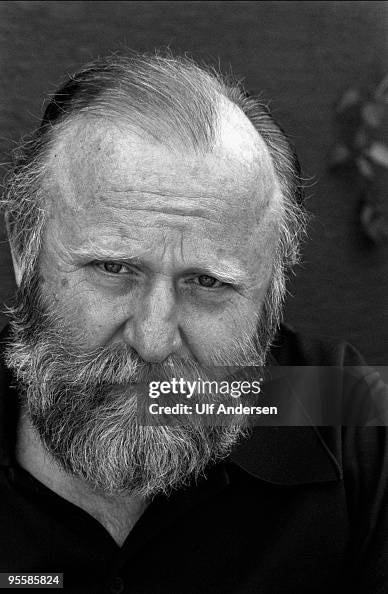
Frank Herbert
 United States
Fecha de nacimiento
October 8, 1920
Signo zodiacal
Libra
Lugar de nacimiento
Tacoma, Washington, USA
Edad
Falleció a los 65
Estatura
5 ft 9 in (175 cm)
Acerca de
Frank Herbert fue un escritor estadounidense de ciencia ficción cuya novela de 1965 Dune se convirtió en una de las obras más vendidas e influyentes del género. El libro ganó tanto el premio Hugo como el Nebula, y su intrincada construcción de mundos, que combina ecología, política, religión y filosofía, estableció un nuevo estándar para la ficción especulativa. Herbert escribió cinco secuelas, creando una saga extensa que ha vendido más de 20 millones de copias en todo el mundo. Su obra ha sido adaptada al cine por David Lynch en 1984 y por Denis Villeneuve en 2021 y 2024, siendo esta última la que provocó un gran resurgimiento en popularidad. Antes de su carrera como escritor, Herbert trabajó como periodista, fotógrafo y consultor ecológico, experiencias que influyeron profundamente en su ficción. Murió en 1986, pero su legado continúa a través de nuevas adaptaciones y el universo expandido de Dune, coescrito por su hijo Brian Herbert.
Primeros años y orígenes
Frank Herbert creció en Tacoma, Washington, durante la Gran Depresión, hijo único de un conductor de tranvía y un ama de casa. Desarrolló un amor por la escritura y la fotografía desde temprano, colaborando en el periódico de su escuela secundaria, Lincoln High School. Después de graduarse en 1938, trabajó como reportero para el Glendale Star y el Oregon Statesman. Durante la Segunda Guerra Mundial, sirvió como fotógrafo en los Seabees de la Marina de 1942 a 1944, pero fue dado de baja anticipadamente por razones médicas. Luego asistió a la Universidad de Washington para estudiar escritura creativa, pero la abandonó sin obtener un título para dedicarse al periodismo a tiempo completo. En 1957, mientras investigaba un artículo sobre las dunas de arena de Oregón, se fascinó con la ecología y la política de los entornos desérticos. Esa investigación se convirtió en seis años de estudio intensivo, culminando en la novela Dune.
Trayectoria profesional
Herbert publicó su primer cuento, «Looking for Something», en 1952, y su primera novela, The Dragon in the Sea, en 1955. Pero su gran avance llegó en 1965 cuando Chilton Books publicó Dune. La novela ganó el premio Hugo a la Mejor Novela en 1966 y el primer premio Nebula a la Mejor Novela en 1965, estableciendo a Herbert como una voz importante en la ciencia ficción. Le siguieron secuelas: Dune Messiah (1969), Children of Dune (1976), God Emperor of Dune (1981), Heretics of Dune (1984) y Chapterhouse: Dune (1985). También escribió novelas independientes como The Santaroga Barrier (1968) y The Dosadi Experiment (1977). En la década de 1980, colaboró con su hijo Brian Herbert en The Man of Two Worlds. El trabajo de Herbert como consultor ecológico y conferencista en la Universidad de Washington complementó su escritura. La adaptación cinematográfica de Dune de David Lynch en 1984 lo decepcionó, pero las películas de Denis Villeneuve en 2021 y 2024 llevaron su visión a una nueva generación, recaudando más de 700 millones de dólares en conjunto.
Cronología profesional
Imagen pública y estilo
A Herbert a menudo se le llama el «padre de la ciencia ficción ecológica» por su densa construcción de mundos y su enfoque en temas ambientales. Su estilo de escritura, complejo, multifacético y filosófico, es admirado por su profundidad pero a veces criticado por su ritmo. Los fans de Dune, conocidos informalmente como «Dunies», celebran el 8 de octubre como el «Día de Dune» en honor al cumpleaños de Herbert. Los seguidores participan en extensas teorizaciones sobre el universo, y el cosplay en convenciones es común. El patrimonio mantiene un tono respetuoso en las redes sociales, destacando nuevas adaptaciones y lanzamientos. Las películas de Villeneuve han expandido drásticamente la base de fans, presentando la obra de Herbert a un público más joven.
Fama y fandom (iFAMOUS Rankings)
Frank Herbert's readers have never rallied under a single banner. Unlike the Potterheads or Trekkies of the world, his fanbase remains a loose constellation of Dune enthusiasts, academics, and science-fiction devotees. They gather in online forums, dissect the timeline, and debate the messianic warnings of his universe, but no formal name has ever stuck. The fandom's power shows in numbers: the books have never gone out of print, and the Villeneuve films brought a new generation into the fold.
In iFANN's Global Fame Engine, Frank Herbert is currently evaluated but does not hold a placement in the published rankings. He is not among the Global Top 1,000 or any Top-100 scope list. This absence says less about his cultural weight than about the engine's focus on contemporary visibility, Herbert's legacy endures through his work and the continued reverence of his readers.
His influence is measured in the sustained life of Dune: the 2021 and 2024 film adaptations, the expanding expanded universe novels, and the endless critical reassessments. The fandom may lack a name, but it has a voice, one that keeps Herbert's cautionary tales relevant decades after his death.
Datos interesantes y leyendas
Frank Herbert's path to Dune began with a magazine article about Oregon's sand dunes, a project that evolved into the novel that would define his career. In the 1960s, he practiced Buddhism, and his writing desk bore a sign reading "I am a writer" to keep him motivated during tough periods. The word "Dune" originally had no apostrophe in the title; it was added later for the film. Herbert worked as a speechwriter for Republican Senator Guy Cordon and covered the 1960s counterculture as a photographer for the San Francisco Examiner.
One of the most enduring legends is the novel's rocky road to publication: rejected by more than twenty publishers before Chilton, a company known for auto-repair manuals, accepted it in 1965. Fans still retell the story of the manuscript's reported length, which necessitated serialization in Analog magazine. Herbert himself framed Dune as a cautionary tale about charismatic leadership, a lens that continues to shape interpretations. He died in 1986 before completing the seventh novel of the saga, leaving the ending a subject of debate for decades.
Frases destacadas
“I was determined to write a novel that would have something to do with the deepest purposes of history and human life.”
“The mystery of life isn't a problem to solve, but a reality to experience.”
“I must not fear. Fear is the mind-killer. Fear is the little-death that brings total obliteration.”
“Deep in the human unconscious is a pervasive need for a logical universe that makes sense. But the real universe is always one step beyond logic.”
“The beginning of knowledge is the discovery of something we do not understand.”
“I wrote Dune because I wanted to write a novel about the environment and the politics of ecology.”
“The future is a kind of history. We are always making it, but we cannot predict it.”
Familia y vida personal
Herbert fue hijo único de Frank Patrick Herbert Sr., conductor de tranvía, y Eileen McCarthy Herbert. Se casó con Flora Lillian Parkinson en 1941, y tuvieron una hija, Penny, antes de divorciarse en 1945. En 1946, se casó con Theresa Diane Shackelford, una compañera periodista que gestionó sus asuntos comerciales y apoyó su escritura. Tuvieron dos hijos: Brian Patrick Herbert, nacido en 1947, y Bruce Calvin Herbert. La pareja también adoptó una hija, Jana. Theresa le sobrevivió, falleciendo en 2010. Brian Herbert se ha convertido en el custodio del legado de su padre, coescribiendo numerosas precuelas y secuelas de Dune con Kevin J. Anderson.
Conexiones destacadas
El hijo de Herbert, Brian Herbert, administra su patrimonio y coescribe novelas de continuación de Dune con Kevin J. Anderson. El director Denis Villeneuve adaptó Dune en películas aclamadas por la crítica en 2021 y 2024. David Lynch dirigió la adaptación cinematográfica de 1984. Los editores de Herbert incluyeron a John W. Campbell en Analog y Sterling Lanier en Chilton Books. Sus influencias ecológicas incluyen a Rachel Carson y J.R.R. Tolkien.
Relaciones e historial sentimental
Herbert se casó con Flora Lillian Parkinson en 1941, y tuvieron una hija, Penny, antes de divorciarse en 1945. En 1946, se casó con Theresa Diane Shackelford, una periodista que se convirtió en su compañera de por vida y administradora de negocios. Tuvieron dos hijos, Brian y Bruce, y adoptaron una hija, Jana. Theresa permaneció casada con Herbert hasta su muerte en 1986. Algunas biografías mencionan una supuesta relación con una mujer llamada Beverly en los años 60, pero los detalles no están confirmados. A partir de 2026, Herbert falleció; su última relación conocida fue con Theresa.
- Casado/aFlora Lillian Parkinson1941 - 1945Primera esposa; tuvieron una hija, Penny, antes de divorciarse.
- Casado/aTheresa Diane Shackelford1946 - 1986Segunda esposa; tuvieron tres hijos, y ella administró sus asuntos comerciales.
Muerte y repercusiones
Fallecimiento
February 11, 1986 (a los 65 años)
Lugar de fallecimiento
Desconocido
Causa de la muerte
Desconocido
Frank Herbert, the acclaimed science fiction author best known for the Dune series, died on February 11, 1986. He was 65 years old at the time of his death. Available biographical summaries from Wikipedia, Britannica, HistoryLink, and publisher profiles consistently list his birth date as October 8, 1920, and death date as February 11, 1986, but do not elaborate on the circumstances of his final days or the specific medical statements that established the cause of death.
Information concerning the funeral or memorial service is absent from the provided search results. There is no record of when or where the service took place, whether it was public or private, who attended, what performances occurred, or the specific method of his interment. The records focus exclusively on his literary career and legacy rather than any legal proceedings surrounding his demise.
Posthumously, Frank Herbert's estate has been managed to continue his literary legacy. His son, Brian Herbert, along with Kevin J. Anderson, has written several sequels and prequels to the original series, including Chapterhouse: Dune which remains a point of retrospective discussion regarding the saga's conclusion. New editions of his works, such as the Dune Deluxe Trade Paperback Edition, continue to be released, with recent entries noted in 2026. The ongoing commercial and critical success of his estate includes film adaptations like Dune: Part One in 2021 and Dune: Part Two in 2024. His work continues to be referenced in contemporary political discourse, and retrospective analyses of his unfinished saga remain relevant decades later.
Patrimonio neto (valor de la herencia)
$18 Million
Estimación del equipo editorial de iFANN
As of 2026, iFANN's editorial research places the Frank Herbert estate's value at approximately $18 million. The primary revenue stream remains book royalties: Dune sells between 200,000 and 500,000 copies annually worldwide, generating $500,000 to $1 million per year. Film licensing fees from Denis Villeneuve's adaptations brought in an estimated $5 million upfront plus backend participation. Merchandise, video games like Dune: Spice Wars and the upcoming Dune: Awakening MMO, and board games add steady income. The Syfy miniseries from 2000 and 2003 continue to generate licensing fees. Brian Herbert and Kevin J. Anderson's expanded universe novels, over 20 titles, contribute royalties shared with the estate. The estate is managed by Brian Herbert and the Herbert Family Trust, which actively licenses the IP for new adaptations, including the HBO series Dune: Prophecy.
Premios ganados (2)
Herbert ganó el Premio Hugo a la Mejor Novela en 1966 por Dune y el primer Premio Nebula a la Mejor Novela en 1965 por la misma obra. Estos dos premios siguen siendo sus honores más prestigiosos, reconociendo a Dune como un hito de la ciencia ficción.
1966 · Mejor Novela
Dune
1965 · Mejor Novela
Dune
Conocido por
Dune
1965 · Autor
Dune Messiah
1969 · Autor
Children of Dune
1976 · Autor
God Emperor of Dune
1981 · Autor
Heretics of Dune
1984 · Autor
Chapterhouse: Dune
1985 · Autor
Palabras clave
Datos rápidos
- Profesión
- writer, novelist, photographer
- Nacimiento
- +1920-10-08
- Lugar de nacimiento
- Tacoma
- Fallecimiento
- +1986-02-11
- Lugar de fallecimiento
- Madison
- Género
- Hombre
- Cónyuge
- Flora Lillian Parkinson, Theresa Diane Shackelford
- Signo zodiacal
- Libra
Datos personales
- Nombre completo
- Franklin Patrick Herbert Jr.
- Estatura
- 5 ft 9 in (175 cm)
- Cónyuge
- Flora Lillian Parkinson, Theresa Diane Shackelford
- Hijos
- Penny Herbert, Brian Patrick Herbert, Bruce Calvin Herbert, Jana Herbert (adopted)
- Educación
- University of Washington (creative writing, no degree); Lincoln High School (1938)
Preguntas frecuentes
¿Cuál es el patrimonio neto de Frank Herbert?
¿Qué edad tenía Frank Herbert cuando murió?
¿Terminó Frank Herbert la serie de Dune?
¿Con quién estuvo casado Frank Herbert?
¿Cuántos hijos tuvo Frank Herbert?
Personas similares


Únete a la comunidad
fans comentando