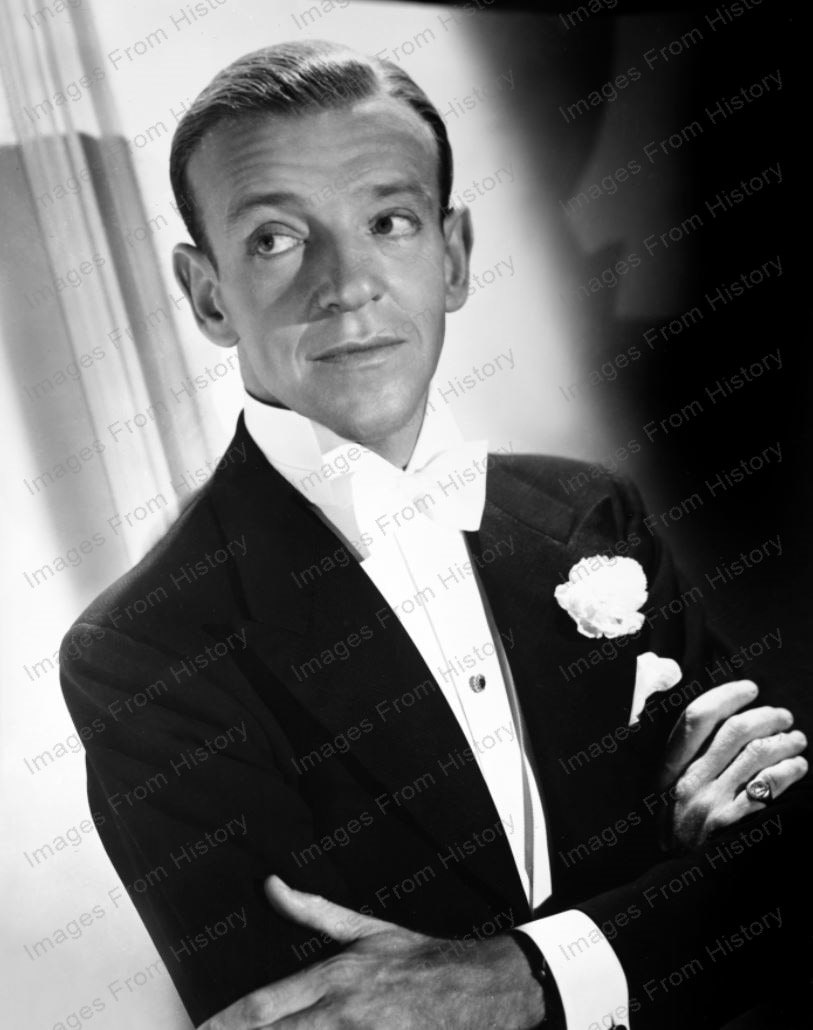
Fred Astaire
 United States
dancer•actor•singer•choreographer
Also known as: Frederick Austerlitz
Fecha de nacimiento
May 10, 1899
Signo zodiacal
Taurus
Lugar de nacimiento
Omaha, Nebraska, USA
Edad
Falleció a los 88
Estatura
5 ft 9 in (175 cm)
Acerca de
Fred Astaire was the dancer against whom all others are measured. An American artist whose career stretched from vaudeville stages in the 1900s to television specials in the 1970s, he redefined what dance could look like on film. He insisted on full-body, uninterrupted takes of his routines, a revolutionary choice that preserved the integrity of movement and made every step feel effortless. His partnership with Ginger Rogers produced ten films that remain the gold standard of Hollywood musicals, including Top Hat and Swing Time. Beyond dancing, he was a gifted singer and a surprisingly effective dramatic actor, earning a Golden Globe and BAFTA for his supporting role in The Towering Inferno at age 75. Today, his legacy lives on through his filmography, which continues to be studied and adored by dancers and film lovers alike.
Primeros años y orígenes
Fred Astaire nació como Frederick Austerlitz en Omaha, Nebraska, hijo de Johanna y Frederic Austerlitz, un cervecero de origen austriaco. Su hermana mayor, Adele, era una artista nata, y cuando mostró talento temprano, su madre mudó a la familia a la ciudad de Nueva York en 1905 para dedicarse al mundo del espectáculo. Fred se inscribió en la escuela de baile junto con Adele, y rápidamente se convirtieron en un acto de vodevil anunciado como «Los Astaire». Recorrieron el país, desarrollando una rutina sofisticada de salón y claqué que se destacaba entre los actos infantiles de la época.
Un gran avance se produjo cuando actuaron en el Palace Theatre, el mejor lugar de vodevil. Hicieron su debut en Broadway en Over the Top en 1916, y para 1923 ya eran estrellas en Londres tras el éxito de Stop Flirting. Durante la siguiente década, protagonizaron una serie de musicales exitosos a ambos lados del Atlántico, incluyendo Lady, Be Good! y Funny Face. Pero en 1932, Adele se retiró para casarse con un lord británico, dejando a Fred para forjar una carrera en solitario. Se dirigió a Hollywood, donde una prueba de pantalla en RKO produjo la famosa nota del estudio: «No sabe actuar. No sabe cantar. Ligeramente calvo. Sabe bailar un poco».
Trayectoria profesional
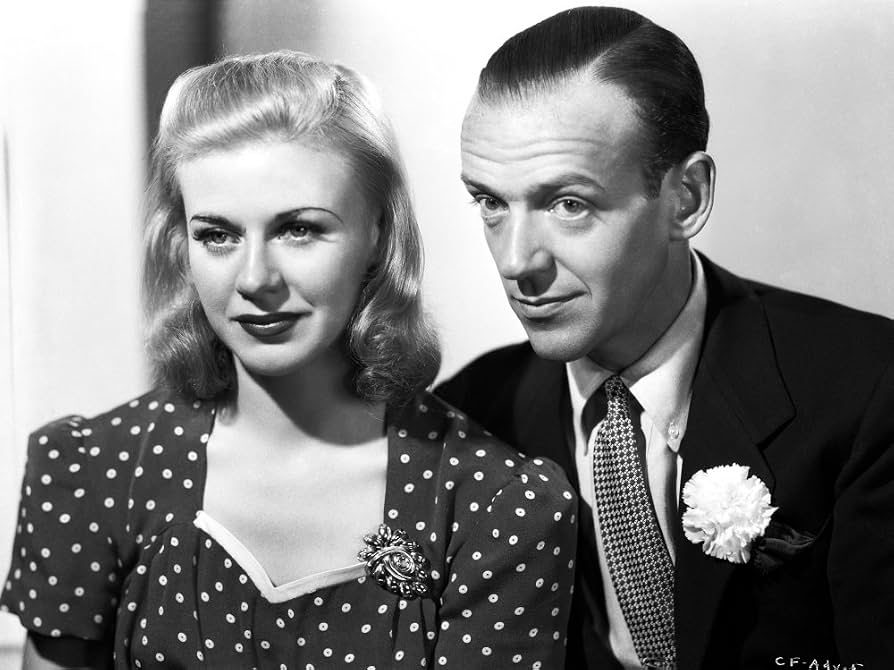
Esa prueba de pantalla desdeñosa llevó a un papel secundario en Volando hacia Río de Janeiro (1933), donde bailó con Ginger Rogers. El número «La Carioca» detuvo el show, y el estudio rápidamente los emparejó como protagonistas. Durante los siguientes seis años, Astaire y Rogers hicieron nueve películas más juntos, incluyendo La alegre divorciada (1934), Sombrero de copa (1935) y En alas de la danza (1936). Estas películas fueron grandes éxitos, y la insistencia de Astaire en tomas largas de cuerpo completo estableció un nuevo estándar para la danza filmada.
Después de que la sociedad terminara, continuó protagonizando clásicos como Holiday Inn (1942) con Bing Crosby, Pascua (1948) con Judy Garland y La alegre divorciada (1953). También hizo aclamados giros dramáticos en La hora final (1959) y El coloso en llamas (1974). Por esta última, ganó un Globo de Oro y un BAFTA y recibió su única nominación competitiva al Oscar. También ganó tres premios Emmy por su trabajo en televisión, incluyendo Una noche con Fred Astaire (1958).
Cronología profesional
Imagen pública y estilo
La imagen pública de Astaire era de una elegancia sin esfuerzo. Encarnaba la sofisticación de chistera y frac del Gran Cancionero Estadounidense, pero su baile tenía una cualidad impredecible e instintiva que él llamaba su «estilo forajido». Los medios y los fanáticos lo veneran universalmente como un genio y un caballero. No existe un nombre oficial para el fandom, pero los entusiastas se reúnen anualmente para proyecciones de sus películas y homenajes de baile. Su presencia en redes sociales es nostálgica y respetuosa, gestionada por cuentas de homenaje.
Fama y fandom
Fred Astaire's fanbase is not a fanbase in the modern sense, no official name, no coordinated campaigns, no hashtag armies. Instead, it is a diffuse, decades-spanning community of classic film buffs, dance historians, and preservationists who revere him as the pinnacle of popular dance. Their devotion shows in quieter ways: annual screenings, tribute dances, and pilgrimages to his Hollywood Walk of Fame star. The upcoming biopic starring Tom Holland has sparked renewed buzz, proving Astaire's cultural pull endures, even if his fans don't have a collective label.
As of August 2026, iFANN's Global Fame Engine has evaluated Fred Astaire but he does not currently hold a placement in the published rankings, neither the Global Top 1,000 nor any Top-100 scope list. His fame, while legendary, is not quantified in iFANN's current rankings.
Datos interesantes y leyendas
Astaire was a man of hidden talents: a skilled drummer, a pianist, and a licensed pilot. He even invented a golf harness to perfect his swing. His business acumen shone early, he invested in Polaroid, a move that made him a fortune. He chronicled his life in two autobiographies, Steps in Time (1959) and The Fred Astaire Story (1962).
His perfectionism was legendary. He rehearsed dance numbers for weeks or months before filming, and he insisted on full-body, continuous takes, refusing to let editors cut away from his choreography. This dedication gave audiences the magic of Royal Wedding (1951), where he danced with a coat rack and seemingly defied gravity on the ceiling. The latter was achieved with a rotating set, but the illusion remains breathtaking.
One story fans still tell: the apocryphal RKO screen test note that supposedly read, "Can't act. Can't sing. Balding. Can dance a little." Whether true or not, it frames his success as the ultimate underdog tale. And the famous line about Ginger Rogers doing everything "backwards and in high heels", popular folklore, often misattributed, encapsulates the partnership's brilliance.
Frases destacadas
“The hardest thing to do is to make it look easy.”
“I have no desire to prove anything by dancing. I just dance.”
“I just put my feet in the air and move them around.”
“The higher up you go, the more mistakes you are allowed. Right at the top, if you make a mistake, it's considered a new style.”
Familia y vida personal
Fred era hijo de Johanna «Ann» Geilus, una luterana alemana, y Frederic «Fritz» Austerlitz, un cervecero de origen austriaco de ascendencia judía. Tenía una hermana mayor, Adele Astaire, su primera compañera de baile. Se casó con Phyllis Livingston Potter, una socialité neoyorquina, en 1933. Tuvieron dos hijos: Fred Astaire Jr. (nacido en 1936) y Ava Astaire McKenzie (nacida en 1942). Phyllis murió de cáncer de pulmón en 1954. En 1980, se casó con la jinete campeona Robyn Smith, que era 45 años menor que él. Permanecieron juntos hasta su muerte.
Conexiones destacadas
Ginger Rogers fue su compañera de baile más famosa, apareciendo con él en diez películas. También trabajó estrechamente con Judy Garland en Easter Parade, Audrey Hepburn en Funny Face y Bing Crosby en Holiday Inn. Su coreógrafo Hermes Pan colaboró en muchas de sus películas. Los compositores Irving Berlin, George Gershwin y Cole Porter escribieron música para sus películas.
Relaciones e historial sentimental
El primer y más largo matrimonio de Astaire fue con Phyllis Livingston Potter, una socialité neoyorquina, desde 1933 hasta la muerte de ella por cáncer de pulmón en 1954. Tuvieron dos hijos. Tras la muerte de Phyllis, tuvo una relación cercana y públicamente visible con la bailarina Barrie Chase desde 1958 hasta 1962; ella fue su compañera en varios especiales de televisión. En 1980, se casó con la campeona de jinetes Robyn Smith, quien era 45 años menor. Permanecieron juntos hasta su muerte en 1987.
- Casado/aPhyllis Livingston Potter1933 - 1954Casado hasta su muerte por cáncer de pulmón; tuvo dos hijos.
- SalieronBarrie Chase1958 - 1962Relación cercana tras la muerte de Phyllis; compañera de baile en especiales de TV.
- Casado/aRobyn Smith1980 - 1987Casado hasta su muerte; ella era campeona de jinetes.
Muerte y repercusiones
Fallecimiento
June 22, 1987 (a los 88 años)
Lugar de fallecimiento
Desconocido
Causa de la muerte
Desconocido
The news of Fred Astaire's passing rippled through Hollywood with a quiet gravity that matched the man himself. On June 22, 1987, the legendary dancer and actor died at the age of 88, bringing an end to a career that had redefined movement on screen for nearly eight decades. While the specific location of his final moments and the official medical ruling remain unconfirmed by public records, the family acknowledged the event. Astaire left behind a legacy that required no eulogy to validate; his work stood as its own monument. Tributes poured in from peers who remembered his perfectionism and grace. His funeral arrangements remained private, sparing the public spectacle often reserved for stars of his magnitude.
The dance studios bearing his name continued their operations, serving as living memorials to his influence on generations of performers. In the years following his death, his estate managed the rights to his extensive catalog of films and recordings. Royalties from classics like Top Hat and Swing Time ensured his artistic footprint remained financially active, with the family overseeing the licensing of his image and likeness. Streaming platforms later introduced his music to new audiences, proving that the rhythm he once set still moved forward long after the curtains closed.
Patrimonio neto (valor de la herencia)
$30 Million
Estimación del equipo editorial de iFANN
iFANN's editorial analysis estimates Fred Astaire's estate at $30 million. The primary income sources are royalties from his film and television catalog, music royalties from his recordings, and licensing of his image and likeness. The estate earns an estimated $2–5 million annually from these streams. After his death in 1987, his family has managed the estate, which includes rights to classics like Top Hat and Swing Time, as well as ongoing DVD, streaming, and syndication deals.
Premios ganados (19)
Astaire ganó un Premio de la Academia Honorífico en 1950 por sus contribuciones a las películas musicales. Ganó tres Premios Emmy, tres Globos de Oro (incluyendo el Premio Cecil B. DeMille), un BAFTA y un Grammy. También recibió los Honores del Centro Kennedy en 1978 y el Premio a la Trayectoria del AFI en 1981.
1975 · Actor de Reparto
The Towering Inferno
1961 · Trayectoria Artística
Conocido por
Top Hat
1935 · Jerry Travers
Swing Time
1936 · John 'Lucky' Garnett
The Band Wagon
1953 · Tony Hunter
Funny Face
1957 · Dick Avery
The Towering Inferno
1974 · Harlee Claiborne
Palabras clave
Datos rápidos
- Profesión
- dancer, actor, singer, choreographer
- Nacimiento
- +1899-05-10
- Lugar de nacimiento
- Omaha, Nebraska, USA
- Fallecimiento
- +1987-06-22
- Lugar de fallecimiento
- Los Angeles, California, USA
- Género
- Hombre
- Cónyuge
- Phyllis Livingston Potter, Robyn Smith
- Signo zodiacal
- Taurus
Datos personales
- Nombre completo
- Frederick Austerlitz
- Estatura
- 5 ft 9 in (175 cm)
- Cónyuge
- Phyllis Livingston Potter (1933–1954), Robyn Smith (1980–1987)
- Hijos
- Fred Astaire Jr., Ava Astaire McKenzie
Filmografía
80
Total
70
Cine
10
TV
Preguntas frecuentes
¿Fred Astaire tuvo una relación con Ginger Rogers?
¿Cuántas veces se casó Fred Astaire?
¿Cuál era el patrimonio neto de Fred Astaire en el momento de su muerte?
¿Fred Astaire tuvo hijos?
¿Cuál fue la última película de Fred Astaire?
Personas similares
Únete a la comunidad
fans comentando