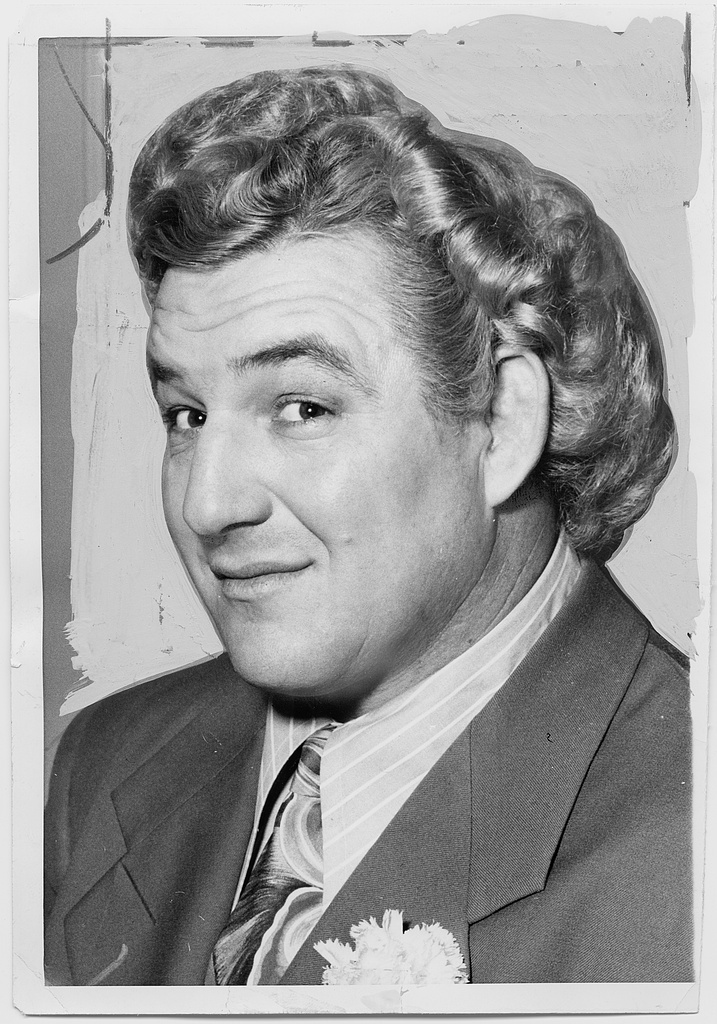
Gorgeous George
 United States
Also known as: George Raymond Wagner
Fecha de nacimiento
March 24, 1915
Signo zodiacal
Aries
Lugar de nacimiento
Butte, Nebraska, U.S.
Edad
Died at 48
Estatura
5 ft 9 in (175 cm)
Acerca de
Gorgeous George, nacido como George Raymond Wagner, fue un luchador profesional estadounidense que se convirtió en una de las mayores estrellas del deporte durante las décadas de 1940 y 1950. Conocido por su carácter extravagante y escandaloso, fue pionero en la televisión de entretenimiento y convirtió la lucha libre en un espectáculo. En su apogeo, fue una celebridad nacional que atraía a multitudes masivas y atención mediática. Su influencia se extendió mucho más allá de la lucha libre, inspirando a íconos como Muhammad Ali, Bob Dylan y James Brown. Hoy es recordado como un pionero que transformó la lucha libre profesional en una forma de entretenimiento popular.
Primeros años y orígenes
George Raymond Wagner creció en la pobreza en Butte, Nebraska, durante la Gran Depresión. Con pocas oportunidades, recurrió a la lucha libre profesional para ganarse la vida. Al principio de su carrera, era un luchador convencional como la mayoría de los competidores de la época. Con solo 1,75 m de estatura y 97 kg de peso, tenía habilidades limitadas en el ring y experimentó poco éxito. El momento crucial llegó cuando concibió la idea de crear una personalidad impulsada por el entretenimiento. Transformándose en Gorgeous George, se convirtió en un villano estirado de cabello platino envuelto en encaje y piel. Debutó el personaje entrando al ring con «Pomp and Circumstance», acompañado de un sirviente que rociaba el ring con perfume Chanel. Cuando los oficiales lo revisaban en busca de objetos extraños, se echaba hacia atrás y gritaba: «¡Quita tus manos sucias de encima de mí!»
Trayectoria profesional
Gorgeous George hizo su debut en la lucha libre profesional en 1932. Durante las décadas de 1940 y 1950, la «Primera Edad de Oro» de la lucha libre profesional, se convirtió en una de las mayores estrellas de Estados Unidos. Su personaje fue una gran celebridad nacional y un pionero de la televisión de entretenimiento temprana. Ganó el Campeonato de Peso Pesado de la AWA y el Campeonato de Peso Pesado de la NWA. El 7 de noviembre de 1962, se retiró de la lucha libre profesional. Póstumamente, su influencia fue reconocida por Muhammad Ali, Bob Dylan y James Brown, quienes lo citaron como una gran influencia en sus personajes. En 2008, se publicó la primera biografía completa, Gorgeous George: The Outrageous Bad Boy Wrestler who Created American Pop Culture.
Cronología profesional
Imagen pública y estilo
La personalidad pública de Gorgeous George se basaba en la extravagancia y el exhibicionismo. Lucía cabello platino, vestía batas de encaje y piel, y entraba al ring con música clásica. Su presentación afeminada estaba diseñada para enfurecer al público, convirtiéndolo en un villano odiado. Los medios lo describían como «extravagante y carismático». Fue un pionero de la televisión de entretenimiento temprana y su personaje influyó en generaciones de artistas. Los fanáticos se sentían atraídos por sus payasadas escandalosas, y sus frases características se volvieron icónicas.
Fama y fandom
Gorgeous George did not just wrestle; he invented the modern villain. Decades before Hulk Hogan or The Rock, this platinum-blond heel turned a athletic contest into a theatrical spectacle that drew national headlines and massive crowds. His legacy as the original sports entertainer remains unshaken in wrestling history circles. Despite his historical impact, iFANN's Global Fame Engine has evaluated this person, but they do not currently hold a placement in the published rankings (Global Top 1,000 or a Top-100 scope list). He is not ranked within the current global top tiers of fame. While his influence permeates pop culture, inspiring icons like Muhammad Ali and Bob Dylan, he does not appear on the latest global lists of most famous people. The fanbase for Gorgeous George has no formal name. During his lifetime, there was no organized club with a specific moniker like a modern 'Beyhive' or 'Swifties.' Instead, the audience interaction was defined by the ritual of hatred he cultivated. Fans learned to love him by booing his entrance music, Pomp and Circumstance, and his lace robes. This dynamic created a passive but profound fandom where the crowd itself became part of the show through their visceral reactions to his antics. No specific fan-funded projects or digital campaigns exist for the wrestler today, as he predates the era of organized streaming pushes. His story survives through biographies and the enduring archetype of the heel character he pioneered.
Datos interesantes y leyendas
Gorgeous George's entrance music was "Pomp and Circumstance," the same march played at graduation ceremonies. He had a manservant spray the wrestling ring with Chanel perfume before his matches. His catchphrase to officials was "Get your filthy hands off of me!" Bob Dylan wrote in Chronicles: Volume One that meeting George changed his life. James Brown said he modeled his stage act after George's antics. A verified legend from his career involves his meticulous preparation for every match, which included having his ring sprayed with expensive perfume to create a distinct olfactory signature that fans associated with his arrival. Another iconic moment cemented his status as a pioneer when he entered the ring to orchestral music rather than the typical rock or novelty tunes of the time, turning a standard bout into a high-production event. The story of his "platinum blonde villain" persona is often retold as the single-handed creation of the American pop culture phenomenon of the wrestling bad guy. Before cameras rolled, he was one of the few heels who built the modern villain blueprint, influencing countless pre-TV performers who are now lesser-known figures.
Frases destacadas
“Get your filthy hands off of me!”
“He winked and seemed to mouth the phrase, 'You're making it come alive.' I never forgot it.”
Familia y vida personal
Conexiones destacadas
Relaciones e historial sentimental
Gorgeous George se casó con Betty Hanson en 1939; luego se divorciaron. Luego se casó con Cherie Dupré en 1951; se divorciaron en 1962. No tuvo hijos de ninguno de los dos matrimonios. Al momento de su muerte, el 26 de diciembre de 1963, estaba soltero.
- Casado/aBetty Hanson1939 - presentePrimera esposa; divorciado.
- Casado/aCherie Dupré1951 - 1962Segunda esposa; divorciado después de 11 años.
Muerte y repercusiones
Fallecimiento
December 26, 1963 (a los 48 años)
Lugar de fallecimiento
Los Angeles, California
Causa de la muerte
Heart attack (myocardial infarction)
George Raymond Wagner, known professionally as Gorgeous George, died on December 26, 1963, at the age of 48. He passed away in Los Angeles, California, specifically at Cedars-Sinai Medical Center. The official cause of death was a heart attack resulting from chronic cardiovascular issues exacerbated by his lifestyle and past injuries. This ruling was established through medical examination by hospital staff and confirmed by a coroner's report which noted that Wagner had been suffering from these conditions prior to his final days. Wagner had retired from active professional wrestling several years earlier but remained a public figure until his health failed.
As the death was ruled a natural heart attack occurring in a hospital setting with no suspicious circumstances, law enforcement involvement was not required. Specific details regarding the date, location, and attendees of the funeral or memorial service for Gorgeous George are not made public in the available search results. Records do not specify whether the service was private or public, nor do they list notable performers or attendees.
The wrestling community and fans reacted with immediate shock and mourning upon his passing. Tributes from peers highlighted his role in popularizing the heel persona and his influence on future stars like Hulk Hogan and Ric Flair. Muhammad Ali acknowledged the profound impact Wagner had on the sport. Posthumous honors include induction into the WWE Hall of Fame in 2007 and the Professional Wrestling Hall of Fame and Museum in 2003. A biography titled "Gorgeous George: The Outrageous Bad-Boy Wrestler Who Created American Pop Culture" was published in 2008 by John Capouya. His estate and likeness have been managed by the WWE and his family, with general acknowledgments of his enduring brand value.
Patrimonio neto (valor de la herencia)
$0
Estimación del equipo editorial de iFANN
As of 2026, Gorgeous George died on December 26, 1963, reportedly penniless. Per iFANN's editorial analysis, the total value of his estate is $0. Despite earning great wealth as a world wrestling champion during his peak years, he hit rock-bottom financially before his death. No specific dollar figures for his posthumous earnings are available. His legacy continues through Hall of Fame inductions and biographical works.
Premios ganados (2)
Gorgeous George fue incluido póstumamente en el Salón de la Fama de la Lucha Libre Profesional en 2002 y en el Salón de la Fama de la WWE como parte de la Clase de 2010.
2002 · Inducción
Career
2010 · Inducción
Career
Conocido por
Professional Wrestling
1932–1962 · Professional Wrestler
Palabras clave
Fuentes
Datos rápidos
- Profesión
- professional wrestler, actor
- Nacimiento
- +1915-03-24
- Lugar de nacimiento
- Butte, Nebraska
- Fallecimiento
- +1963-12-26
- Lugar de fallecimiento
- Los Angeles, California
- Género
- Hombre
- Estatura
- 5 ft 9 in (175 cm)
Datos personales
- Nombre completo
- George Raymond Wagner
- Estatura
- 5 ft 9 in (175 cm)
Preguntas frecuentes
¿Cómo murió Gorgeous George?
¿Era Gorgeous George realmente tan extravagante?
¿A quién influenció Gorgeous George?
¿Cuál era el nombre real de Gorgeous George?
¿Está Gorgeous George en el Salón de la Fama de la WWE?
Personas similares
Únete a la comunidad
fans comentando