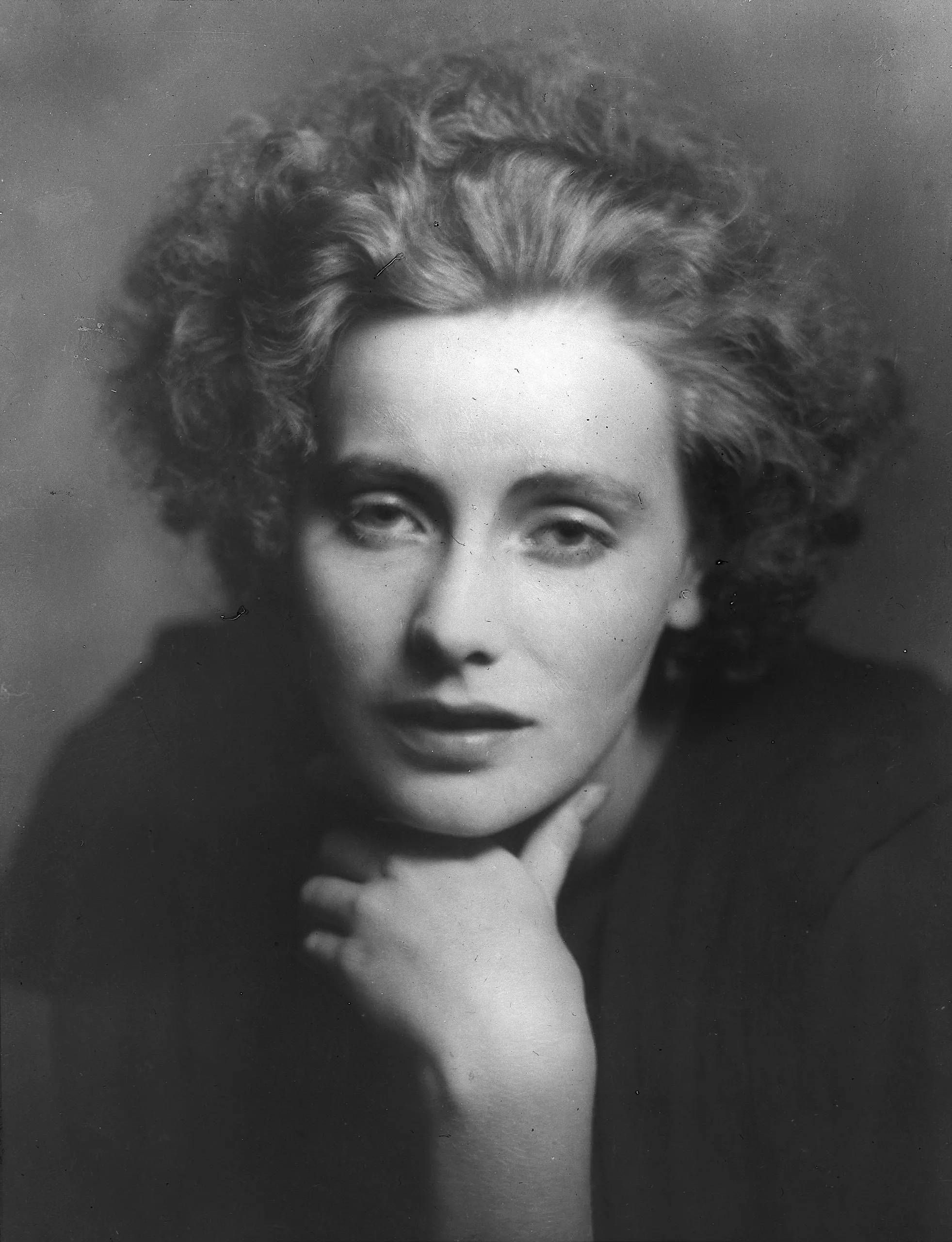
Greta Garbo
 Sweden
Also known as: Greta Lovisa Gustafsson
Fecha de nacimiento
September 18, 1905
Signo zodiacal
Virgo
Lugar de nacimiento
Stockholm, Sweden
Edad
Falleció a los 84
Estatura
5 ft 7 in (170 cm)
Acerca de
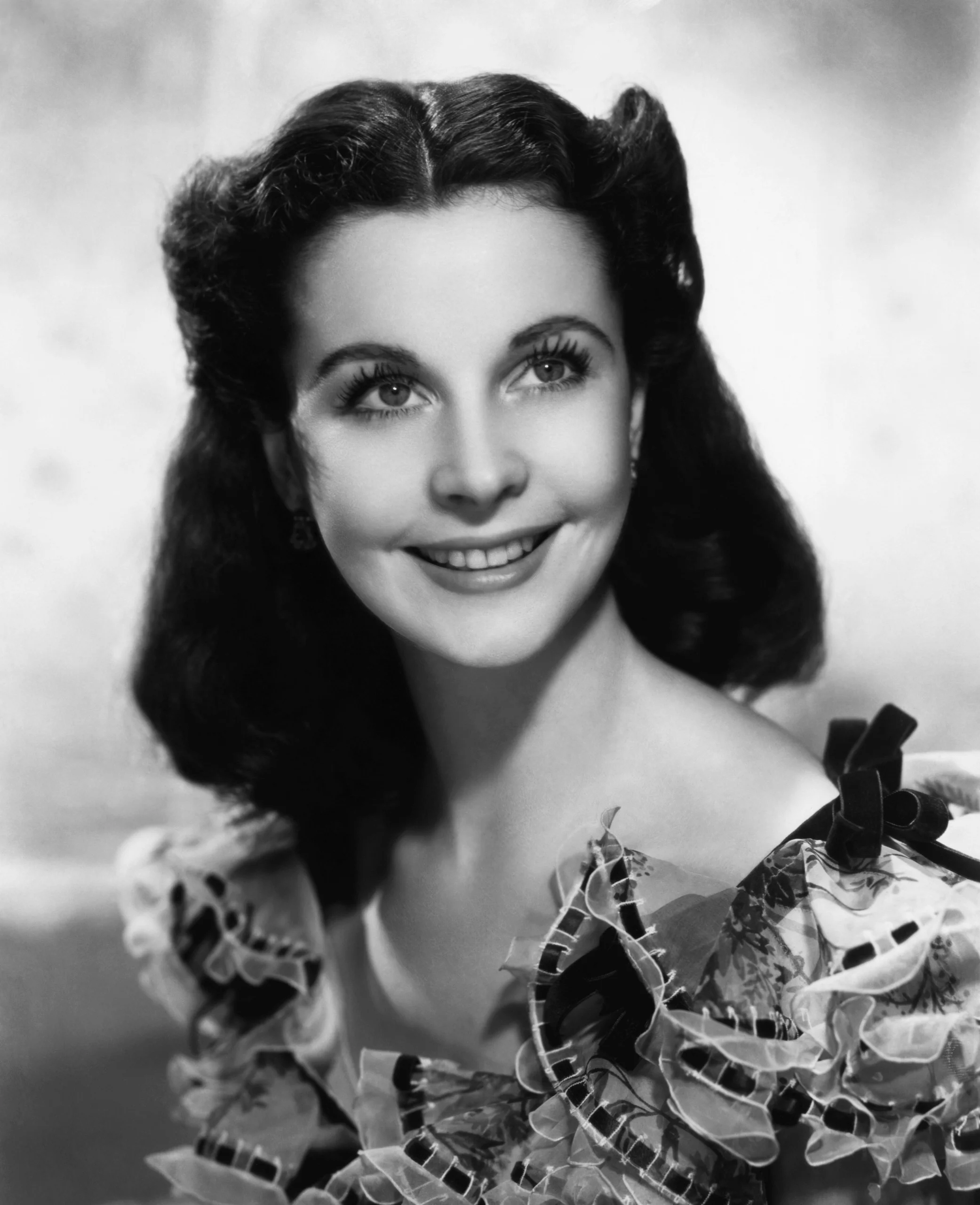
Greta Garbo was a Swedish-born actress who became one of the most enigmatic and celebrated figures in Hollywood history, first as a silent film star and later in the early sound era. Her melancholic screen presence and understated performances made her a global icon. In 1999, the American Film Institute ranked her fifth among the greatest female stars of classic Hollywood. Today, her legend endures through her films and the enduring mystique of her reclusive retirement.
After a supporting role in the 1924 Swedish film The Saga of Gösta Berling, Garbo caught the eye of MGM chief Louis B. Mayer. She moved to Hollywood in 1925 and made her American debut in Torrent (1926). Her third US film, Flesh and the Devil (1926), opposite John Gilbert, turned her into an international sensation. By 1928, with A Woman of Affairs, she became MGM's top box-office draw. Other silent hits included The Mysterious Lady (1928) and The Kiss (1929).
Garbo's transition to sound was a major event. MGM promoted her first talkie, Anna Christie (1930), with the tagline "Garbo talks!" She earned Academy Award nominations for that film and Romance (1930). By 1932, her clout allowed her to control her roles. She starred in Mata Hari (1931), Grand Hotel (1932), Queen Christina (1933), and Anna Karenina (1935). Many consider her performance in Camille (1936) her finest, earning a third Oscar nomination. But by 1938, she was labeled "box office poison." A comedic turn in Ninotchka (1939) revived her career and brought a fourth nomination. Her final film, Two-Faced Woman (1941), was a critical disappointment. Over a 17-year career, she made 28 feature films.
After retiring, Garbo shunned publicity entirely. She became a reclusive art collector, acquiring works by Renoir, Bonnard, and van Dongen. She turned down all offers to return to the screen. In 1954, she received an Academy Honorary Award for her luminous performances. Four years before her death at age 84 on April 15, 1990, she told a biographer: "I was tired of Hollywood. I did not like my work." Her mystique only grew in her absence.
Primeros años y orígenes
Greta Lovisa Gustafsson nació el 18 de septiembre de 1905 en Estocolmo, Suecia, la menor de tres hijos. Su padre, Karl Alfred Gustafsson, era obrero y barrendero; su madre, Anna Lovisa, se encargaba del hogar. La familia vivía en un piso de agua fría en el distrito obrero de Södermalm. Cuando Garbo tenía 14 años, su padre murió de tuberculosis, lo que la obligó a abandonar la escuela Högre Normalskola för Flickor para mantener a la familia.
Su primer trabajo fue como ayudante de barbero en una barbería, enjabonando el rostro de los clientes para el afeitado. Luego trabajó como empleada en los grandes almacenes PUB de Estocolmo, donde modeló sombreros para los catálogos de la tienda. Esto la llevó a su primera aparición cinematográfica: un breve papel en el cortometraje cómico de 1920 Cómo no vestirse (también conocido como El señor y la señora Stockholm van de compras). Apareció en otros dos cortometrajes cómicos en 1921 y 1922, pero fueron menores.
Su gran oportunidad llegó en 1922 cuando ganó una beca para la escuela de actuación del Real Teatro Dramático de Estocolmo. Allí fue descubierta por el director Mauritz Stiller, quien se convirtió en su mentor y le dio el nombre artístico «Garbo» (una variación del nombre de un espíritu folclórico sueco). Stiller la eligió para la épica sueca de 1924 La leyenda de Gösta Berling, que la llevó a la atención internacional. Stiller negoció entonces un contrato con Louis B. Mayer de la MGM, y Garbo se mudó a Hollywood en 1925, justo antes de cumplir 20 años.
Trayectoria profesional
El debut estadounidense de Garbo llegó con Torrente (1926), pero fue su tercera película en EE. UU., Carne y el diablo (1926), junto a John Gilbert, la que la convirtió en una estrella internacional. En 1928, con Una mujer de asuntos, se convirtió en la mayor atracción de taquilla de la MGM. Hizo una transición exitosa al sonido en 1930 con Anna Christie, promocionada con el eslogan «¡Garbo habla!». La película le valió su primera nominación al Premio de la Academia. Ese mismo año recibió una segunda nominación por Romance.
La década de 1930 fue su apogeo. Protagonizó Mata Hari (1931), la superproducción coral Gran Hotel (1932) que ganó el Oscar a la mejor película, La reina Cristina de Suecia (1933), Ana Karenina (1935) y Camille (1936), considerada su mejor actuación y que le valió una tercera nominación al Oscar. Después de ser etiquetada como «veneno de taquilla» en 1938, revitalizó su carrera con la comedia Ninotchka (1939), obteniendo una cuarta nominación. Su última película, La mujer de las dos caras (1941), fue un fracaso crítico. En 17 años, realizó 28 largometrajes. Nunca regresó a la pantalla.
Cronología profesional
Imagen pública y estilo
La imagen pública de Garbo es la del enigma supremo: una belleza solitaria y melancólica que rechazó la fama. La prensa acuñó términos como «el misterio Garbo» y «la Esfinge sueca». Su estilo característico era andrógino y minimalista: sombreros de ala ancha, gabardinas, trajes a medida y maquillaje mínimo. El «look Garbo» (pelo hacia atrás, ojos oscuros) se volvió icónico e influyó en diseñadores como Coco Chanel e Yves Saint Laurent. Los fanáticos, a veces llamados «garbo-philes», la celebran a través de proyecciones anuales y foros en línea. Su presencia en redes sociales es mantenida por cuentas de fanáticos, que adoptan un tono reverente y nostálgico que enfatiza su arte y misterio.
Fama y fandom
Greta Garbo's fanbase is as enigmatic as the star herself. Unlike modern fandoms with official names and organized campaigns, her admirers have never adopted a collective identifier. They are simply devoted cinephiles and classic film enthusiasts who gather in digital spaces to celebrate her legacy. The Instagram account @alwaysgarbo, established in 2020, serves as a hub for contemporary fans, sharing archival photos and film stills. On Reddit's r/classicfilms, discussions about her enduring relevance are common. This fanbase is archival and preservation-focused, mirroring Garbo's own retreat from the public eye. She gave her audience her art, performances in Camille, Ninotchka, and Grand Hotel, and in return asked only for privacy. Her famous quote, 'I am only an image, and that is all I can be to you,' encapsulates this transactional relationship. Posthumously, fans honor her through screenings and retrospectives, like the 2025 return of Camille to Palm Springs.
In the realm of global fame, iFANN's Global Fame Engine has evaluated Greta Garbo, but she does not currently hold a placement in the published rankings, whether the Global Top 1,000 or any Top-100 scope list. Her fame, however, remains monumental, sustained by her iconic films and her legendary reclusiveness, ensuring her status as one of cinema's most enduring figures.
Datos interesantes y leyendas
Garbo was a cat lover and owned several cats throughout her life. She was an avid reader with a library of thousands of books. She spoke four languages: Swedish, English, German, and French. In her later years, she painted but never exhibited her work. She never watched her own films after retiring. Her famous quote 'I want to be alone' is a misquote; she actually said 'I want to be left alone.' She turned down the role of Mrs. Miniver, which went to Greer Garson and won an Oscar. Unsubstantiated rumors claimed she worked for British intelligence during WWII. She never won a competitive Oscar despite four nominations.
One of the most enduring legends is the 'Garbo Talks!' moment in Anna Christie (1930). After years of silence, her first spoken line, 'Gimme a whiskey, ginger ale on the side, and don't be stingy, baby', was met with gasps and applause, marking a pivotal transition in film history. Another legend is her sudden retirement in 1941, when she vanished from public life without explanation, spending the next five decades in near-seclusion. Sightings of her walking New York streets became minor cultural events. A story fans still retell involves her rare moment of regret, when she said, 'I was so stupid not to partake more,' humanizing the myth of the aloof recluse.
Frases destacadas
“I want to be left alone.”
“I was tired of Hollywood. I did not like my work.”
“There are some who want to live, and others who want to act. I am one of the former.”
“The most important thing in life is to be yourself. Unless you can be a movie star.”
“I never said, 'I want to be alone.' I only said, 'I want to be left alone.' There is a world of difference.”
“If you are afraid of being lonely, don't try to be a movie star.”
“My whole life has been a search for peace.”
Familia y vida personal
Garbo era la menor de tres hijos. Su padre, Karl Alfred Gustafsson, murió de tuberculosis cuando ella tenía 14 años. Su madre, Anna Lovisa, era ama de casa. Tenía un hermano mayor, Sven, y una hermana mayor, Alva. Ninguno de sus hermanos entró en la industria cinematográfica. Garbo nunca se casó y no tuvo hijos. Vivió sola la mayor parte de su vida, con sus gatos como compañía. En sus últimos años, vivió en un apartamento cooperativo en el 450 de East 52nd Street en la ciudad de Nueva York.
Conexiones destacadas
Garbo fue descubierta por el director Mauritz Stiller, quien la mentorizó y le dio el nombre artístico. Tuvo un famoso romance con el coprotagonista John Gilbert, quien le propuso matrimonio en múltiples ocasiones. El jefe de la MGM, Louis B. Mayer, la llevó a Hollywood. Trabajó con los directores George Cukor (Camille), Ernst Lubitsch (Ninotchka) y Clarence Brown (cinco películas). Entre sus coprotagonistas frecuentes se encontraban Robert Taylor, Charles Boyer y Melvyn Douglas. El fotógrafo Cecil Beaton fue un amigo cercano.
Relaciones e historial sentimental
La relación más significativa de Garbo fue con el actor John Gilbert, a quien conoció en el rodaje de El demonio y la carne en 1926. Se comprometieron, pero ella nunca se presentó a la boda. Siguieron siendo amigos hasta la muerte de él en 1936. Más tarde dijo: «Amaba a John Gilbert, pero no podía casarme con él». Tuvo un vínculo estrecho con su mentor Mauritz Stiller, aunque probablemente fue platónico. En la década de 1930, tuvo breves relaciones con el director de orquesta Leopold Stokowski y el fotógrafo Cecil Beaton. Se rumoreó que tuvo un romance duradero con la dramaturga Mercedes de Acosta. Su compañía más perdurable fue la de George Schlee, un empresario de origen ruso, desde la década de 1940 hasta su muerte en 1964. Nunca se casó y no tuvo hijos.
- SalieronMauritz Stiller1924 - 1927Mentor y director; relación probablemente platónica, ya que Stiller era gay.
- Comprometido/aJohn Gilbert1926 - 1929Coprotagonista y gran amor; él le propuso matrimonio varias veces; ella aceptó una vez, pero nunca se casó con él.
- SalieronCecil Beaton1930 - 1930Fotógrafo y diseñador; amistad romántica, probablemente no sexual.
- SalieronLeopold Stokowski1937 - 1938Breve relación discreta con el director de orquesta.
- SalieronMercedes de Acosta1931 - 1940Se rumoreó una relación romántica duradera; de Acosta afirmó que fueron amantes.
- SalieronGeorge Schlee1940 - 1964Compañero constante y consejero; vivieron en el mismo edificio; Garbo quedó devastada tras su muerte.
Muerte y repercusiones
Fallecimiento
April 15, 1990 (a los 84 años)
Lugar de fallecimiento
New York City, New York, USA
Causa de la muerte
Acute pneumonia and heart failure
The Academy of Motion Picture Arts and Sciences honored Greta Garbo with a posthumous Honorary Award in 1990 for her unforgettable screen performances, cementing a legacy that had long transcended the need for public applause. Tributes poured in from peers like Joan Crawford and Sidney Lumet, who remembered her as a great lady and a mystery, while the American Film Institute issued formal statements honoring her status among the greatest female stars of classic Hollywood. Sales of her films surged temporarily. Garbo passed away on April 15, 1990, at her apartment located at 11 West 52nd Street in New York City, having lived in seclusion for decades following her retirement in 1941.
Her physician provided a medical statement confirming acute pneumonia and heart failure as the official cause, a ruling accepted by the New York City Medical Examiner's office. She made no public appearances after the early 1950s. A private funeral service took place at Riverside Church in New York City two days after her death, attended only by close family members including her niece Brita Arvidson and her longtime companion Marguerite Chapuy. Following the service, she was cremated and her ashes were transported to Stockholm, where they were interred at Norra Begravningsplatsen near Solna in a private ceremony.
Patrimonio neto (valor de la herencia)
$60 Million
Estimación del equipo editorial de iFANN
iFANN currently estimates Greta Garbo's estate at $60 million. At her death in 1990, probate records valued it at about $32 million, and the estate has grown through art appreciation and ongoing licensing. Garbo earned up to $250,000 per film in the 1930s, equivalent to about $5 million today. She owned an art collection with works by Renoir, Bonnard, and van Dongen, now worth significantly more. Her New York apartment at 450 East 52nd Street was valued at $5-10 million. She invested conservatively in stocks and bonds. Posthumous earnings from film royalties, documentary licensing, and merchandise generate approximately $1-2 million annually, managed by the Garbo Estate Trust.
Premios ganados (21)
Garbo ganó un Premio Honorífico de la Academia en 1954 por sus luminosas e inolvidables actuaciones en la pantalla. Ganó el Premio del Círculo de Críticos de Cine de Nueva York y la Copa Volpi en el Festival de Cine de Venecia por Camille (1936). Recibió múltiples Medallas de Honor de Photoplay como Actriz Más Popular. En 1977, fue galardonada con la Real Orden Sueca de la Estrella Polar. Nunca ganó un Oscar competitivo a pesar de cuatro nominaciones.
1954 · Premio Honorífico de la Academia
—N/a
1954 · Premio Honorífico
Career
Conocido por
Camille
1936 · Marguerite Gautier
Grand Hotel
1932 · Grusinskaya
Ninotchka
1939 · Ninotchka
Anna Karenina
1935 · Anna Karenina
Queen Christina
1933 · Queen Christina
Mata Hari
1931 · Mata Hari
Flesh and the Devil
1926 · Felicitas
Palabras clave
Datos rápidos
- Profesión
- actor, film actor, stage actor
- Nacimiento
- +1905-09-18
- Lugar de nacimiento
- Stockholm, Sweden
- Fallecimiento
- +1990-04-15
- Lugar de fallecimiento
- Nueva York
- Género
- Mujer
- Signo zodiacal
- Virgo
Datos personales
- Nombre completo
- Greta Lovisa Gustafsson
- Estatura
- 5 ft 7 in (170 cm)
- Educación
- Royal Dramatic Theatre's acting school (attended, no degree)
Filmografía
28
Total
28
Cine
0
TV
Preguntas frecuentes
¿Sigue viva Greta Garbo?
¿Se casó alguna vez Greta Garbo?
¿Cuál era el patrimonio neto de Greta Garbo?
¿Por qué se retiró Greta Garbo?
¿Tuvo hijos Greta Garbo?
Redes sociales
Personas similares
Únete a la comunidad
fans comentando