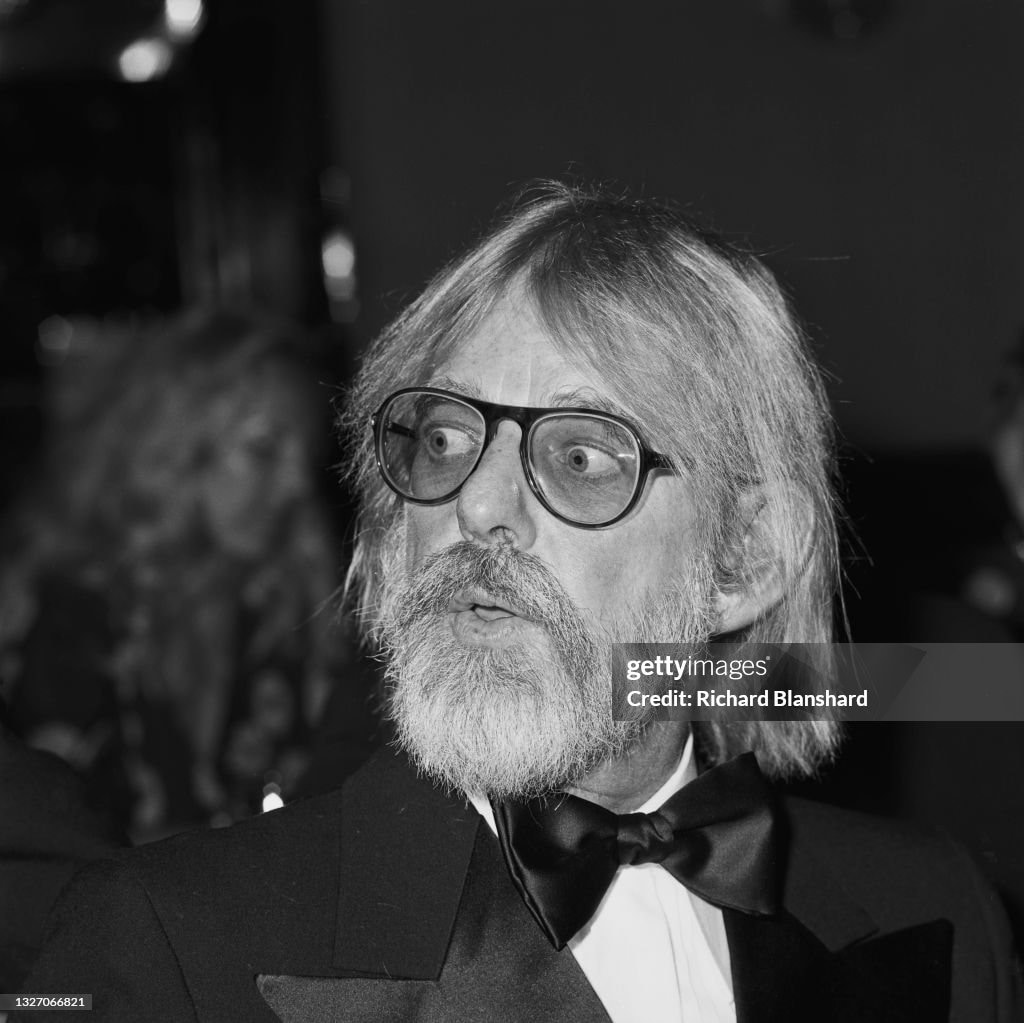
Hal Ashby
film director•film producer•film editor
Fecha de nacimiento
September 2, 1929
Signo zodiacal
Virgo
Lugar de nacimiento
Ogden, Utah
Edad
Falleció a los 59
Acerca de
Hal Ashby fue un director, productor y editor de cine estadounidense, una figura clave del movimiento New Hollywood de la década de 1970. Sus películas son conocidas por su toque humanista, sus sensibilidades contraculturales y su aguda crítica social. El trabajo de Ashby a menudo exploraba temas de la vida, la muerte y las normas sociales con humor negro y profunda empatía. Sigue siendo célebre por clásicos de culto como Harold and Maude y la sátira política Being There, ambos incluidos posteriormente en el National Film Registry. Su experiencia como editor dotó a su dirección de un ritmo distintivo y un enfoque en los personajes.
Primeros años y orígenes
Hal Ashby nació en Ogden, Utah, en 1929. Los detalles de su vida temprana son escasos, pero su carrera en el cine comenzó como editor. Perfeccionó su oficio trabajando en televisión y cine, hasta que llamó la atención del director Norman Jewison. El gran avance de Ashby como editor llegó con The Russians Are Coming, the Russians Are Coming (1966) de Jewison, que le valió una nominación al Oscar. Al año siguiente, ganó el Oscar al Mejor Montaje por In the Heat of the Night, también dirigida por Jewison. Este éxito allanó el camino para su transición a la dirección. Su experiencia como editor le dio un dominio magistral del ritmo y la estructura narrativa, que trasladó a su trabajo como director.
Trayectoria profesional
Ashby hizo su debut como director con The Landlord en 1970. En 1971, estrenó Harold and Maude, una comedia negra sobre un joven que se enamora de una anciana. La película fue inicialmente un fracaso comercial, pero se convirtió en un fenómeno de culto. Le siguieron The Last Detail (1973), protagonizada por Jack Nicholson, y Shampoo (1975), una sátira política protagonizada por Warren Beatty. En 1978, Ashby recibió su tercera nominación al Oscar, esta vez a Mejor Director, por el drama antibélico Coming Home. Dirigió a Peter Sellers en Being There (1979), que le valió a Sellers una nominación al Oscar. Las últimas películas de Ashby tuvieron menos éxito y su carrera decayó en la década de 1980. Murió en 1988 a la edad de 59 años.
Cronología profesional
Imagen pública y estilo
Ashby es recordado como un director con una voz humanista única, que a menudo favorecía las historias centradas en los personajes sobre la trama. Sus películas son celebradas por su empatía y su disposición a abordar temas tabú como la muerte, la guerra y la sexualidad. Fans y críticos lo consideran un autor de la era New Hollywood, aunque nunca alcanzó el mismo nivel de fama que sus contemporáneos como Scorsese o Coppola. Su obra tiene un devoto seguimiento de culto, especialmente Harold and Maude, que sigue siendo un referente del cine contracultural.
Fama y fandom
Hal Ashby sits outside the published global rankings, currently evaluated but unranked by iFANN's Global Fame Engine. While he never secured a spot in the Top 1,000 or any scope list during the August 2026 evaluation, his cultural footprint remains distinct from the transient stars who fill those slots. The distinction matters because his fame operates on a different axis: it is not measured by daily search volume or fleeting viral spikes, but by a deep, sustained resonance within film criticism and academic circles. Unlike contemporaries whose names dominate mainstream conversation, Ashby's legacy thrives in the quiet corners of cinema history where *Harold and Maude* and *Being There* are dissected as masterpieces rather than consumed as commodities. His audience does not rally behind a formal name; no collective identity like "The Ashbyites" exists to organize campaigns or fund projects. Instead, the fanbase manifests as scattered discussions in niche online communities and retrospective articles that praise his "finest and most sustained run of quality." This lack of organized fandom reflects an era before social media allowed direct digital engagement, yet it has not diminished his influence. Recent events, such as the passing of Bud Cort in February 2026, have reignited interest in his work, proving that his stories still hold power decades later. The absence of a ranked position in the global engine simply highlights that Ashby's fame is qualitative, rooted in the enduring impact of his editing rhythm and humanistic direction rather than quantitative metrics.
Datos interesantes y leyendas
Hal Ashby's Oscar win for editing *In the Heat of the Night* stood as a rare achievement for an editor, breaking the pattern where the category typically favored big-budget action films. He was known for a collaborative approach that granted actors significant creative freedom, a trait amplified by his background which made him unusually adept at shaping performances in the cutting room. Despite his critical success, he never won a competitive Oscar for directing. A heavy marijuana user, his laid-back directorial style was often attributed to this habit. His film *Harold and Maude* faced initial rejection from distributors and only found its audience through midnight screenings. A widely retold story surrounding Ashby concerns his rapid decline and death from cancer in 1988. Diagnosed early that year with cancer spreading to his liver and colon, he passed away on December 27, 1988. This tragic timeline creates a narrative of a brilliant filmmaker whose career was cut short at its peak. The cultural mythology also centers on the soundtrack of *Harold and Maude*, specifically the use of Cat Stevens' music, which became integral to the film's identity. Additionally, Peter Sellers' performance in *Being There* is frequently analyzed as a pinnacle of Ashby's satirical direction, cementing the film's status as a cult classic.
Familia y vida personal
Hal Ashby estuvo casado con Joan Marshall. La pareja no tuvo hijos. Los detalles sobre sus padres o hermanos no están ampliamente documentados. Después de su muerte en 1988, su patrimonio ha sido administrado por su familia, aunque la información específica sigue siendo privada.
Conexiones destacadas
Ashby trabajó estrechamente con Norman Jewison al principio de su carrera, editando dos de las películas de Jewison. Dirigió a Warren Beatty en Shampoo y a Peter Sellers en Being There. Sus colaboradores frecuentes incluyeron a los actores Jack Nicholson y Jane Fonda.
Relaciones e historial sentimental
Hal Ashby estuvo casado con Joan Marshall. No se documentan otras relaciones románticas. Permaneció casado hasta su muerte en 1988.
- Casado/aJoan Marshall? - 1988Ashby estuvo casado con Joan Marshall hasta su muerte.
Muerte y repercusiones
Fallecimiento
December 27, 1988 (a los 59 años)
Lugar de fallecimiento
Los Angeles, California, USA
Causa de la muerte
Cancer metastasized to liver and colon
William Hal Ashby spent his final months battling an aggressive form of cancer that had metastasized to his liver and colon, a diagnosis delivered earlier in 1988 that effectively halted his career. The director passed away on December 27, 1988, at the UCLA Medical Center in Los Angeles, California, at the age of 59. While specific details regarding autopsy findings or coroner rulings remain absent from public records, the official cause was widely reported as complications from the rapidly spreading disease. No police investigation or legal dispute surrounded the passing, which was treated as a natural death resulting from illness.
Tributes emerged from peers within the New Hollywood movement who acknowledged his unique voice as a director who bridged editing and directing with distinct sensitivity. A private funeral or memorial service for Hal Ashby was held, though specific dates, locations, and attendee lists were not made public. He was cremated, and his ashes were scattered, a decision consistent with his family's wishes, though the exact location of scattering was never disclosed.
While no new films were released after his passing, his existing catalog saw renewed critical re-evaluation. In 2018, the Criterion Collection released a conversation titled "The Many Faces of Hal Ashby," highlighting his enduring influence on cinema. His films, including Harold and Maude, Being There, and Shampoo, continue to be studied and celebrated as classics of the American New Wave, with various documentaries and articles appearing in recent years discussing his impact on film history.
Patrimonio neto (valor de la herencia)
El patrimonio neto de Hal Ashby en el momento de su muerte en 1988 no está documentado públicamente. Como director y editor, sus ingresos provenían de salarios cinematográficos y regalías. Su patrimonio continúa generando ingresos por el legado de sus películas, pero no hay cifras específicas disponibles.
Premios ganados (5)
Hal Ashby ganó un Premio de la Academia al Mejor Montaje por Al loro con este curda (1967) y fue nominado a Mejor Director por El regreso (1978). También recibió una nominación a Mejor Montaje por ¡Que nos pintamos locos! (1966).
1968 · Mejor Montaje
In the Heat of the Night
1967 · Mejor Montaje
Conocido por
Harold and Maude
1971 · Director
The Last Detail
1973 · Director
Shampoo
1975 · Director
Coming Home
1978 · Director
Being There
1979 · Director
Palabras clave
Datos rápidos
- Profesión
- film director, film producer, film editor
- Nacimiento
- September 2, 1929
- Lugar de nacimiento
- Ogden, Utah
- Fallecimiento
- December 27, 1988
- Lugar de fallecimiento
- Malibu, California
- Género
- Hombre
- Cónyuge
- Joan Marshall
- Signo zodiacal
- Virgo
Datos personales
- Nombre completo
- William Hal Ashby
- Cónyuge
- Joan Marshall
Preguntas frecuentes
¿Quién fue Hal Ashby?
¿Cuál es el patrimonio neto de Hal Ashby en 2026?
¿Cuáles son las películas más famosas de Hal Ashby?
¿Ganó Hal Ashby un Oscar?
¿Cuándo murió Hal Ashby?
Únete a la comunidad
fans comentando