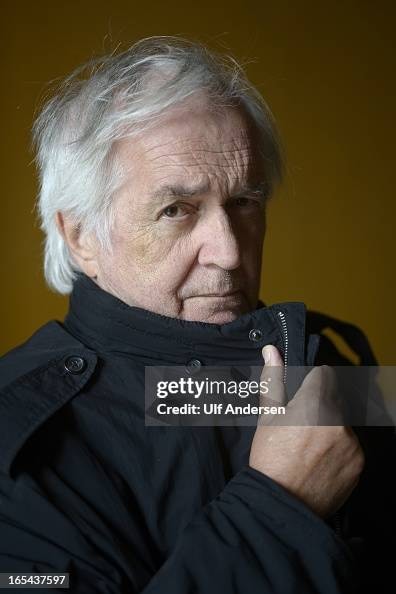
Henning Mankell
 Sweden
writer•playwright•children's writer
Fecha de nacimiento
February 3, 1948
Signo zodiacal
Aquarius
Lugar de nacimiento
Stockholm, Sweden
Edad
Falleció a los 67
Acerca de
Henning Mankell was a Swedish author best known for creating the internationally acclaimed Inspector Kurt Wallander crime series. His novels have sold over 40 million copies worldwide and been translated into more than 40 languages. Mankell's work extends beyond crime fiction into plays, children's books, and social commentary, reflecting his deep engagement with global issues. As of 2026, his legacy continues through ongoing adaptations and reissues of his extensive body of work.
Mankell was also a committed activist, particularly involved in African causes and the Palestinian solidarity movement. He split his time between Sweden and Mozambique, where he founded a theater company. His writing is noted for its psychological depth and sharp critique of Swedish society, earning him a dedicated readership that spans generations.
Primeros años y orígenes
Henning Mankell nació en Estocolmo en 1948, hijo de Ivar Mankell, un abogado, e Ingrid Mankell, una enfermera. Sus padres se divorciaron cuando él era joven, y se mudó con su padre al pequeño pueblo de Sveg en Härjedalen, donde fue criado por su padre y su abuela. Dejó la escuela a los dieciséis años y trabajó en empleos ocasionales en París y Estocolmo antes de dedicarse al teatro.
A finales de la década de 1960, Mankell asistió brevemente al Dramatiska Institutet en Estocolmo, pero lo abandonó para dedicarse al trabajo teatral práctico. Se unió al Teatro Municipal de Estocolmo y más tarde trabajó como director de escena y dramaturgo en varios teatros provinciales. Sus primeros escritos incluyeron obras de teatro y un puñado de novelas, pero ninguna alcanzó el éxito comercial. En la década de 1970, viajó a África por primera vez, un viaje que moldeó profundamente su visión del mundo y su escritura posterior. Pasó períodos prolongados en Mozambique, donde ayudó a establecer una compañía de teatro y escribió sobre las luchas del país.
La primera novela publicada de Mankell fue El volador de cometas (1973), pero fue en gran medida ignorada. A lo largo de la década de 1980, continuó escribiendo obras de teatro y novelas mientras trabajaba como director de teatro. Su gran éxito llegó solo en 1991 con la publicación de Asesinos sin rostro, el primer libro protagonizado por el Inspector Kurt Wallander, un personaje que había desarrollado durante varios años.
Trayectoria profesional
La carrera de Mankell se transformó con el lanzamiento en 1991 de Asesinos sin rostro, que presentó al sombrío detective Kurt Wallander. La novela ganó el premio de la Academia Sueca de Escritores de Crimen a la mejor novela de crimen y fue traducida a múltiples idiomas. Durante las dos décadas siguientes, Mankell escribió diez novelas de Wallander, incluyendo La leona blanca (1993), La mujer del enfado (1996) y El hombre inquieto (2009). La serie se convirtió en un fenómeno mundial, vendiendo más de 40 millones de copias y generando adaptaciones cinematográficas y televisivas en Suecia, el Reino Unido y Japón.
Más allá de Wallander, Mankell escribió varias novelas independientes que exploraron temas históricos y sociales, como El ojo del leopardo (1990) y Crónica de los vientos (1995). También escribió una popular serie de libros infantiles sobre un niño llamado Joel. Su labor como dramaturgo continuó a lo largo de su carrera, con obras representadas en Suecia y en el extranjero. En 2010, el activismo de Mankell atrajo la atención internacional cuando estuvo a bordo del MV Mavi Marmara durante el asalto a la flotilla de Gaza. Le diagnosticaron cáncer de pulmón en 2014 y continuó escribiendo hasta su muerte en 2015.
Cronología profesional
Imagen pública y estilo
Mankell fue ampliamente considerado como una figura literaria seria que elevó la ficción de crímenes a comentario social. Los críticos elogiaron su habilidad para tejer tramas complejas con profundos estudios de personajes y temas políticos. Era conocido por su comportamiento modesto y su rigor intelectual, participando a menudo en debates públicos sobre inmigración, racismo y desigualdad global. Los fanáticos apreciaron la autenticidad de sus escenarios y los dilemas morales a los que se enfrentaba Wallander. La obra de Mankell sigue siendo estudiada en círculos académicos por su representación de la sociedad sueca contemporánea.
Fama y fandom
Henning Mankell remains a towering figure in global literature, though his standing is defined by enduring influence rather than current chart positions. As of August 2026, the iFANN Global Fame Engine has evaluated this person, but they do not currently hold a placement in the published rankings (Global Top 1,000 or a Top-100 scope list). While he never secured a specific numeric rank in recent cycles, his legacy as a pioneer of Nordic noir ensures his name persists in academic and literary circles long after his passing. The fanbase for Mankell is characterized by its literary nature rather than performative activism; fans are primarily readers who engage through book clubs, academic analysis, and streaming discussions of the various television adaptations of his work. There is no documented collective name for this audience, nor are there organized campaigns comparable to pop culture phenomena. Instead, the community sustains itself through the quiet appreciation of his novels and their atmospheric settings. The cultural mythology surrounding him is less about viral moments and more about the profound impact of his life story. A widely retold narrative centers on his decision to chronicle his own battle with pancreatic cancer, a choice that humanized the author and added poignancy to his final years. His death in 2015 marked a significant moment of international mourning, cementing his status as an icon who helped launch the modern era of crime fiction. Posthumous releases like The Madman continue to draw attention, proving that his work resonates deeply without needing active fan rituals or social media engagement.
Datos interesantes y leyendas
Mankell named his detective Wallander after a street in Ystad, the town where the novels are set. He was an avid reader of crime fiction, especially the works of Maj Sjöwall and Per Wahlöö. The author once remarked that writing the Wallander series was a way to explore the darker sides of Swedish society. A keen jazz enthusiast, he often listened to music while crafting his narratives. His son Jonas Mankell followed in artistic footsteps as a musician and composer. Mankell was also a passionate supporter of the Swedish football club Malmö FF. Beyond these facts, legends surround his final chapter. Fans still speak of his public announcement of his pancreatic cancer diagnosis in January 2014, where he chose to document his suffering rather than hide it, adding a layer of raw honesty to his biography. The definitive event solidifying his iconic status occurred on October 5, 2015, when he died at age 67 in Maputo, Mozambique, sparking widespread international mourning for the man who redefined the genre. Another key part of his lore involves the anticipation of his final works, such as After the Fire, described by critics as "Mankell's full stop," which marked the end of his career before new posthumous titles like The Madman emerged in 2026.
Frases destacadas
“I think it's important to write about the darkness in society, because if we don't acknowledge it, we can't change it.”
“I am not a passenger. I am a participant.”
“A writer must be a witness.”
“The Wallander books are about Sweden and the world today.”
Familia y vida personal
Mankell estuvo casado dos veces. Su primer matrimonio fue con Ingrid Milde, con quien tuvo un hijo, Jonas Mankell, nacido en 1970. En 1998, se casó con Eva Bergman, hija del cineasta Ingmar Bergman. La pareja vivió en Suecia y Mozambique hasta la muerte de Mankell. El padre de Mankell, Ivar, era abogado, y su madre, Ingrid, era enfermera. Su abuela desempeñó un papel importante en su crianza después del divorcio de sus padres.
Conexiones destacadas
Henning Mankell está indeleblemente ligado a su creación, el Inspector Kurt Wallander, cuyas novelas han sido adaptadas a múltiples series de cine y televisión. Estuvo casado con Eva Bergman, hija del legendario cineasta Ingmar Bergman. Mankell también colaboró con varios teatros suecos y fue mentor de escritores más jóvenes en Mozambique.
Relaciones e historial sentimental
El primer matrimonio de Mankell fue con Ingrid Milde a finales de la década de 1960. La pareja tuvo un hijo, Jonas, nacido en 1970. Se divorciaron en la década de 1980. En 1998, Mankell se casó con Eva Bergman, hija de Ingmar Bergman. Permanecieron juntos hasta su muerte en 2015, dividiendo su tiempo entre Suecia y Mozambique.
- Casado/aIngrid Milde1969 - 1985Primer matrimonio; tuvo un hijo, Jonas.
- Casado/aEva Bergman1998 - 2015ActualSegundo matrimonio; permanecieron juntos hasta la muerte de Mankell.
Muerte y repercusiones
Fallecimiento
October 5, 2015 (a los 67 años)
Lugar de fallecimiento
Stockholm, Sweden
Causa de la muerte
Lung cancer
The literary world marked Henning Mankell's passing with immediate retrospectives and a renewed surge in sales for his extensive catalog, as major publications like The Atlantic published tributes titled Remembering Henning Mankell on the very day of his death. His final novel, After the Fire, was later described by critics in October 2018 as Mankell's full stop, while posthumous releases such as The Madman continued to appear years later, ensuring his unfinished manuscripts remained accessible to international audiences. This enduring interest followed the quiet end of his life at his home in Stockholm, Sweden, where he passed away on Monday, October 5, 2015, at the age of 67.
Mankell had publicly disclosed his battle with lung cancer several years prior, announcing in January 2014 that he was writing about the disease to highlight its pain and suffering, and he continued working on memoirs and novels until his condition became terminal. The cause of death was established through family statements and his own public disclosures regarding his long-term health struggle. Tributes poured in from peers and institutions globally upon the announcement, with outlets like the BBC highlighting his role as the creator of the Wallander series and noting his impact across dozens of languages.
While specific details of the service were kept private consistent with his wishes, his legacy was honored through the continued publication of his works and the management of his estate to release new translations. A welcome reappraisal of his first novel, Faceless Killers, arrived five years after his death in March 2020, cementing the status of a writer whose body of work continues to generate revenue and admiration.
Patrimonio neto (valor de la herencia)
$5 Million
Estimación del equipo editorial de iFANN
At the time of his death in 2015, Henning Mankell's estate was estimated at around $5 million. His income derived primarily from book sales, film and television adaptations, and royalties from his plays. The Wallander series alone has sold over 40 million copies globally, providing a steady stream of royalties. Posthumous reissues and new translations continue to generate revenue for his estate, which is managed by his family. In 2026, the estate's value remains stable, supported by ongoing adaptations and the enduring popularity of his work. Per iFANN's editorial analysis, the total net worth stands at $5 Million.
Premios ganados (5)
Mankell ganó el premio de la Academia de Escritores de Crímenes Suecos a la mejor novela de crímenes en 1991 por Faceless Killers. Recibió el Gold Dagger de la Crime Writers' Association en 1993 por la misma novela. También fue galardonado con el Premio Martin Beck y el Premio de los Libreros Suecos. En 2006, recibió la medalla Litteris et Artibus del rey sueco por sus contribuciones a la cultura.
1993 · Mejor novela de crimen
Faceless Killers
1991 · Mejor novela de crimen
Faceless Killers
Conocido por
Faceless Killers
1991 · Autor
The White Lioness
1993 · Autor
The Fifth Woman
1996 · Autor
The Troubled Man
2009 · Autor
Palabras clave
Datos rápidos
- Profesión
- writer, playwright, children's writer
- Nacimiento
- February 3, 1948
- Lugar de nacimiento
- Stockholm, Sweden
- Fallecimiento
- October 5, 2015
- Lugar de fallecimiento
- Gothenburg, Sweden
- Género
- Hombre
- Cónyuge
- Eva Bergman
- Signo zodiacal
- Aquarius
Datos personales
- Nombre completo
- Henning Georg Mankell
- Cónyuge
- Eva Bergman
- Hijos
- Jonas Mankell
- Educación
- Dramatiska Institutet (did not complete)
Preguntas frecuentes
¿Quién creó al Inspector Kurt Wallander?
¿Cuál es el patrimonio neto de Henning Mankell en 2026?
¿Cuáles fueron los principales temas de Henning Mankell?
¿Cómo murió Henning Mankell?
¿Sigue siendo popular la serie Wallander en 2026?
Personas similares
Únete a la comunidad
fans comentando