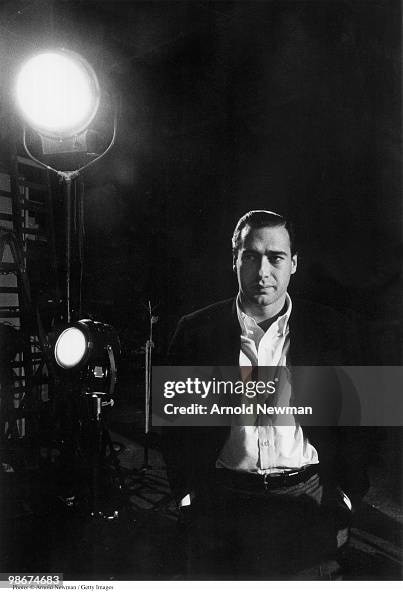
John Frankenheimer
 United States
film director•film producer•screenwriter
Fecha de nacimiento
February 19, 1930
Signo zodiacal
Pisces
Lugar de nacimiento
Queens, New York, USA
Edad
Falleció a los 72
Acerca de
John Frankenheimer fue un director de cine y televisión estadounidense que dio forma al género del thriller político. Nacido el 19 de febrero de 1930 en Queens, Nueva York, comenzó en la televisión en vivo antes de dirigir casi 40 largometrajes y más de 50 obras de televisión. Su trabajo a menudo exploraba dilemas psicológicos y situaciones políticas, siendo comparado con Sidney Lumet, para quien trabajó como asistente de dirección. Frankenheimer ganó cuatro premios Emmy en la década de 1990 por películas para televisión como Against the Wall, The Burning Season, Andersonville y George Wallace, esta última le valió un Globo de Oro. Fue incluido en el Salón de la Fama de la Televisión en 2002, poco antes de su muerte el 6 de julio de 2002, a los 72 años.
Primeros años y orígenes
Frankenheimer creció en Queens, hijo de Walter y Helen Frankenheimer. A los 10 años, tomó prestada una cámara y filmó su primera película, un cortometraje sobre un robo a un tren. Asistió a la Universidad de Indiana, donde estudió inglés y actuó en producciones teatrales del campus. Durante la Guerra de Corea, sirvió en la Fuerza Aérea de los Estados Unidos, donde dirigió películas de entrenamiento y documentales. Esta experiencia lo llevó a un trabajo en CBS en Nueva York en 1953. Rápidamente pasó a dirigir televisión en vivo, trabajando en series antológicas como Kraft Television Theatre y Playhouse 90. A finales de la década de 1950, había dirigido más de 100 transmisiones en vivo, perfeccionando un estilo visual que usaba enfoque profundo y tomas largas para aumentar la tensión.
Trayectoria profesional
El gran éxito de Frankenheimer llegó en 1962 con The Manchurian Candidate, un thriller de la Guerra Fría protagonizado por Frank Sinatra. La película fue un éxito crítico y comercial, elogiada por su dirección tensa y temas proféticos. Le siguieron dos éxitos más en 1964: Seven Days in May, un drama de conspiración política, y The Train, una película de acción de la Segunda Guerra Mundial. En 1966, estrenó Seconds, un horror psicológico surrealista, y Grand Prix, una épica de carreras ambiciosa filmada en Cinerama. La década de 1970 lo vio dirigir French Connection II (1975) y Black Sunday (1977). Después de un declive en los años 80, revivió su carrera con aclamadas películas para televisión en los 90, ganando cuatro Emmys. Su última película teatral fue Ronin (1998), un thriller de atracos conocido por sus persecuciones de autos. Murió en 2002 después de completar la película de HBO Path to War.
Cronología profesional
Imagen pública y estilo
Frankenheimer era respetado como un artesano que hacía películas inteligentes y llenas de suspenso. Los críticos elogiaban su capacidad para crear tensión a través de la narración visual y su disposición a abordar temas políticos y psicológicos. Era conocido por un estilo de dirección exigente e intenso que presionaba a los actores pero se ganaba su lealtad. A diferencia de muchos directores de su época, abrazó la televisión como un medio para el trabajo serio, especialmente en la década de 1990. Los fanáticos admiran sus clásicos de los años 60, y The Manchurian Candidate es citada con frecuencia como uno de los mejores thrillers jamás realizados. No cultivó una personalidad pública fuera de su trabajo, centrándose en cambio en el oficio.
Fama y fandom
John Frankenheimer remains a towering figure in cinema history, revered by cinephiles and scholars for his mastery of the political thriller and his pioneering work in television. While his name is instantly recognized by those who study film technique, iFANN's Global Fame Engine has evaluated this person, but they do not currently hold a placement in the published rankings (Global Top 1,000 or a Top-100 scope list). This absence from the global top tier reflects his status as a director's director rather than a pop culture icon whose fame relies on viral moments or mass-market celebrity. His reputation is built on the enduring power of films like The Manchurian Candidate and Grand Prix, which continue to be studied in academic circles and screened at retrospectives decades after their release.
The audience surrounding his legacy does not operate under a formal banner; there is no documented fanbase name, organized campaigns, or specific rituals that define his followers. Instead, admiration manifests through the preservation of his work and the ongoing discussion of his technical innovations. Fans of classic cinema often cite his ability to capture high-speed motion and psychological tension as reasons for his enduring relevance. Unlike modern celebrities who generate folklore through public chaos or interactive projects, Frankenheimer's legend is strictly one of professional achievement. His four consecutive Emmy Awards in the 1990s stand as a reflection of his skill during a time when many peers had abandoned television, cementing his place in the Television Hall of Fame. The stories told about him focus on his demanding directing style and his unique background as an amateur race car driver, which informed the visceral realism of his action sequences. There are no verified accounts of crowds disrupting events or fan-driven media spectacles; the narrative remains centered on his artistic contributions and the complex social dramas he translated into compelling cinema.
Datos interesantes y leyendas
John Frankenheimer was an avid race car driver who owned several Porsches and competed in the 24 Hours of Daytona, using his driving experience to capture unprecedented velocity in Grand Prix. He served as an assistant director to Sidney Lumet early in his career before forging his own path. A close friend of Burt Lancaster, he collaborated with the actor on five films, including The Young Lions and The Train. On the set of The Island of Dr. Moreau in 1996, a famous clash occurred with Marlon Brando, who reportedly wore an ice bucket on his head between takes to manage his temperature. Frankenheimer's passion for trains began early; his first film at age 10 depicted a train robbery, foreshadowing his later masterpiece The Train.
A widely retold story in film circles highlights how his racing background directly influenced the camera work in Grand Prix, where he placed cameras inside moving vehicles to create a sense of speed that was revolutionary for its time. Another enduring piece of lore surrounds the production of The Manchurian Candidate, where his innovative editing techniques and prescient political themes have become a cornerstone of cultural mythology, frequently referenced in academic discussions. These professional anecdotes form the core of his legend, distinguishing him from directors known for personal scandals or crowd disruptions. His legacy is defined by these verified achievements and the intense loyalty he inspired in actors like Lee Marvin and Jeff Bridges.
Frases destacadas
“I'm not interested in making films about the human condition. I'm interested in making films about the human condition under pressure.”
“The Manchurian Candidate was a film about paranoia, and it tapped into the anxieties of the time. It still resonates because those anxieties haven't gone away.”
“Live television was the best training a director could have. You learned to think on your feet.”
“I love the process of filmmaking. The collaboration, the tension, the discovery.”
Familia y vida personal
Los padres de Frankenheimer eran Walter y Helen Frankenheimer. Tenía una hermana menor, Mary. Su primer matrimonio, con la actriz Evelyn Ward, terminó en divorcio. En 1964, se casó con la actriz Evans Evans, quien apareció en varias de sus películas. Tuvieron cuatro hijos: Christine, John, Michael y Elise. La familia vivía en Los Ángeles y Malibú. Frankenheimer era conocido como un padre devoto, a menudo llevaba a sus hijos a los sets de filmación.
Conexiones destacadas
Frankenheimer colaboró frecuentemente con el actor Burt Lancaster en películas como Birdman of Alcatraz, Seven Days in May y The Gypsy Moths. Trabajó con Frank Sinatra en The Manchurian Candidate, y con Robert De Niro en Ronin. Fue protegido de Sidney Lumet, sirviendo como su asistente de dirección al principio de su carrera.
Relaciones e historial sentimental
Frankenheimer se casó dos veces. Su primer matrimonio fue con la actriz Evelyn Ward en la década de 1950; se divorciaron después de unos años. En 1964, se casó con la actriz Evans Evans, quien apareció en sus películas Seconds y The Gypsy Moths. Permanecieron casados hasta su muerte en 2002. La pareja tuvo cuatro hijos juntos y vivió en Los Ángeles.
- Casado/aEvelyn Ward1954 - 1960Primer matrimonio, terminado en divorcio.
- Casado/aEvans Evans1964 - 2002Segundo matrimonio, duró hasta su muerte. Tuvieron cuatro hijos.
Muerte y repercusiones
Fallecimiento
July 6, 2002 (a los 72 años)
Lugar de fallecimiento
Desconocido
Causa de la muerte
Desconocido
By the summer of 2002, John Frankenheimer had just completed his final project for HBO, the acclaimed television film Path to War, marking a triumphant return to the medium where he first honed his craft. He was living in Los Angeles, surrounded by the family he brought onto sets throughout his career, when he passed away on July 6, 2002. The specific circumstances surrounding his final days and the exact medical cause of death were never made public by his family or official records, leaving the details of his passing quiet and private rather than the subject of media speculation or legal inquiry. Following his death, the industry reacted with a deep sense of loss, recognizing the director who had shaped the political thriller genre and revitalized television drama in the 1990s., his induction into the Television Hall of Fame earlier that same year stood as a significant prelude to his departure, cementing his legacy within the broadcast community.
Patrimonio neto (valor de la herencia)
$10 Million
Estimación del equipo editorial de iFANN
At the time of his death in 2002, John Frankenheimer's net worth was estimated at around $10 million. Per iFANN's editorial analysis, this figure represents the total value of his estate based on his directing fees for films and television, alongside residuals from his extensive body of work. His estate continues to earn royalties from classic films like The Manchurian Candidate and Ronin, which are frequently licensed for streaming and home video. The estate is managed by his widow, Evans Evans, and his children, ensuring that the financial fruits of his prolific career remain with his family.
Premios ganados (13)
Frankenheimer ganó cuatro premios Primetime Emmy a la Mejor Dirección de Miniserie o Telefilme: por Against the Wall (1994), The Burning Season (1995), Andersonville (1996) y George Wallace (1998). Fue incluido en el Salón de la Fama de la Televisión en 2002.
1998 · Mejor Dirección de Miniserie o Telefilme
George Wallace
1996 · Mejor Dirección de Miniserie o Telefilme
Andersonville
1995 · Mejor Dirección de Miniserie o Telefilme
The Burning Season
1994 · Mejor Dirección de Miniserie o Telefilme
Against the Wall
1998 · Mejor Dirección en Serie Limitada o Película
George Wallace
1996 · Mejor Dirección en Serie Limitada o Película
Andersonville
1995 · Mejor Dirección en Serie Limitada o Película
The Burning Season
1994 · Mejor Dirección en Serie Limitada o Película
Against the Wall
Conocido por
The Manchurian Candidate
1962 · Director
Seven Days in May
1964 · Director
The Train
1964 · Director
Grand Prix
1966 · Director
Ronin
1998 · Director
Palabras clave
Datos rápidos
- Profesión
- film director, film producer, screenwriter
- Nacimiento
- February 19, 1930
- Lugar de nacimiento
- Queens, New York, USA
- Fallecimiento
- July 6, 2002
- Lugar de fallecimiento
- Los Angeles, California, USA
- Género
- Hombre
- Cónyuge
- Evans Evans
- Signo zodiacal
- Pisces
Datos personales
- Nombre completo
- John Michael Frankenheimer
- Cónyuge
- Evans Evans
- Hijos
- 4
- Educación
- Indiana University
Filmografía
39
Total
35
Cine
4
TV
Preguntas frecuentes
¿Quién fue John Frankenheimer?
¿Cuál es el patrimonio neto de John Frankenheimer en 2026?
¿Cuántos premios Emmy ganó John Frankenheimer?
¿Cuál es la película más famosa de John Frankenheimer?
¿Con quién estuvo casado John Frankenheimer?
Personas similares
Únete a la comunidad
fans comentando