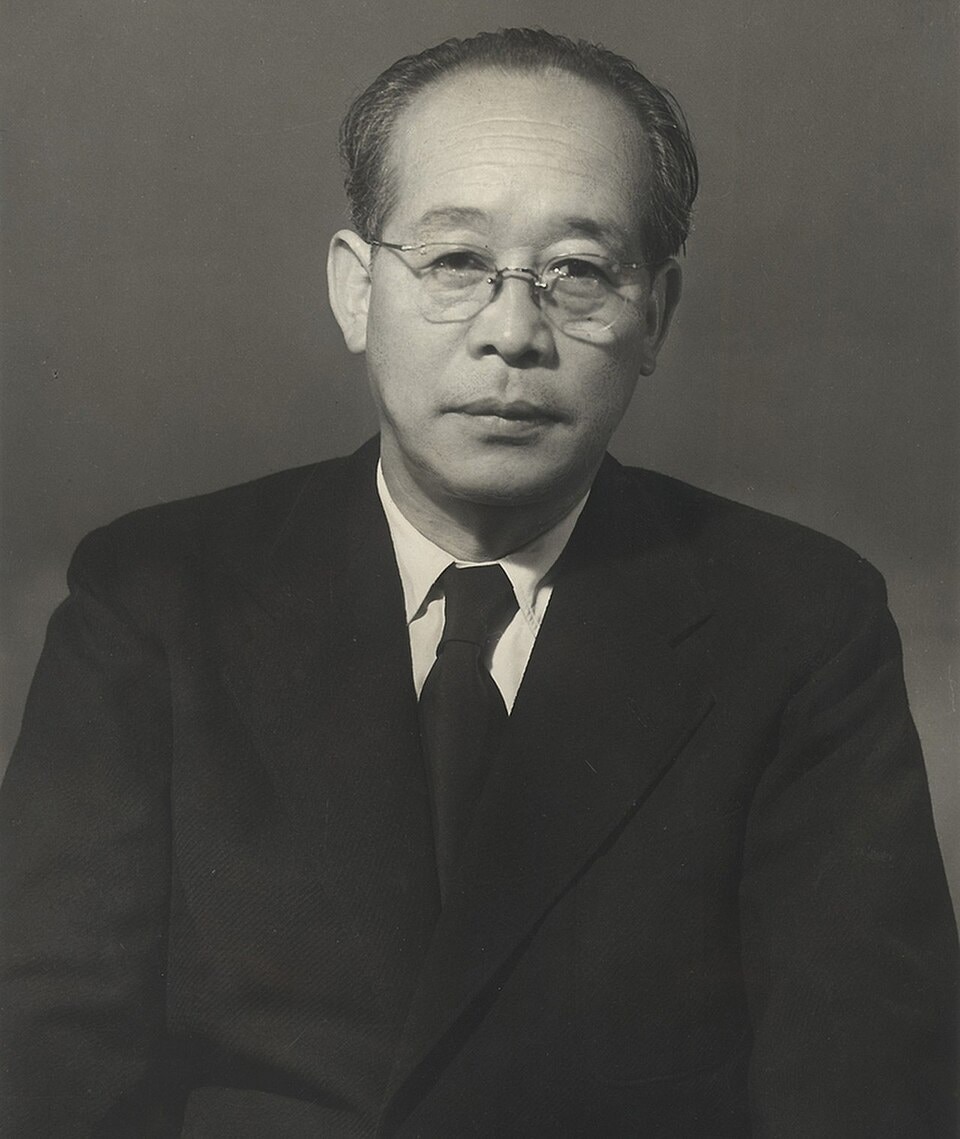
Kenji Mizoguchi
 Japan
JapanFecha de nacimiento
May 16, 1898
Signo zodiacal
Taurus
Lugar de nacimiento
Tokyo, Japan
Edad
Falleció a los 58
Acerca de
Kenji Mizoguchi, nacido el 16 de mayo de 1898 en Tokio, fue un director de cine y guionista japonés que realizó aproximadamente cien películas desde 1923 hasta su muerte en 1956. Junto a Akira Kurosawa y Yasujiro Ozu, es considerado un pilar de la edad de oro del cine japonés. Su obra a menudo exploró la opresión de la mujer en el Japón histórico y contemporáneo, un tema que recorre sus películas más celebradas: The Story of the Last Chrysanthemums (1939), The Life of Oharu (1952), Ugetsu (1953) y Sansho the Bailiff (1954). Estas tres últimas ganaron premios en el Festival Internacional de Cine de Venecia, consolidando su reputación internacional. Las composiciones meticulosas y los largos planos de Mizoguchi influyeron en directores de todo el mundo, pero su enfoque en protagonistas femeninas lo distinguió de sus contemporáneos. Murió el 24 de agosto de 1956 a los 58 años, dejando un legado de cine poético y socialmente consciente.
Primeros años y orígenes
Mizoguchi nació en el distrito de Hongo, Tokio. Su padre, un vendedor de paraguas fracasado, luchaba financieramente, y el declive de la familia obligó a la hermana mayor de Mizoguchi a servir como geisha, un hecho que dejó una profunda impresión en el director y más tarde informó su tema recurrente del sufrimiento femenino. Dejó la escuela a una edad temprana y trabajó en varios oficios antes de descubrir el cine. En 1920, se unió al estudio Nikkatsu como actor y asistente de dirección, aprendiendo el oficio de directores consagrados. Su debut como director llegó en 1923 con Footprints of Youth, una película muda ahora perdida. A lo largo de la década de 1920, dirigió docenas de películas de diversos géneros, melodramas, adaptaciones literarias y dramas sociales, pero luchó por encontrar un estilo consistente. El Gran Terremoto de Kantō de 1923 interrumpió la producción y muchas obras tempranas fueron destruidas.
Trayectoria profesional
El gran avance de Mizoguchi llegó en 1939 con The Story of the Last Chrysanthemums, un drama sensible sobre un actor de kabuki y su sirvienta que obtuvo elogios de la crítica y estableció su estilo maduro. Después de la Segunda Guerra Mundial, entró en su período más fértil. En 1952, The Life of Oharu ganó el León de Oro en Venecia, presentándolo al público occidental. Al año siguiente, Ugetsu obtuvo el León de Plata, combinando el folclore fantasma con una historia moral de ambición y pérdida. En 1954, Sansho the Bailiff ganó otro León de Plata, completando un triplete de triunfos venecianos. Estas películas, todas escritas con el colaborador Yoshikata Yoda, mostraron los característicos planos largos y la profundidad de campo de Mizoguchi. Sus obras posteriores, como Street of Shame (1956), continuaron su crítica a la sociedad patriarcal. Murió de leucemia poco después de completar su última película.
Cronología profesional
Imagen pública y estilo
La imagen pública de Mizoguchi era la de un artista reservado e intenso. Era conocido por su meticulosa atención al detalle de época y su habilidad para extraer actuaciones sutiles de los actores. Los críticos han elogiado sus elegantes y fluidos movimientos de cámara y su compasiva representación de las mujeres. Los fanáticos y académicos lo consideran un maestro del jidaigeki (drama histórico) y una figura clave del cine humanista japonés. Su obra es frecuentemente estudiada por sus temas feministas y su precisión formal.
Fama y fandom
Kenji Mizoguchi stands as a towering figure in the global pantheon of cinema, his influence stretching far beyond the borders of 1950s Japan. Despite a prolific career crafting roughly one hundred films between 1923 and his death in 1956, his posthumous reputation has only deepened over decades of critical re-evaluation. While his work remains a staple of academic study and cinephile devotion, iFANN's Global Fame Engine evaluated this person in August 2026 and found that he does not currently hold a placement in the published rankings or the Global Top 1,000 list. This absence from the immediate numerical hierarchy reflects the nature of his legacy; it is not driven by the viral spikes or daily search volume typical of modern celebrities, but rather by a sustained, quiet reverence among scholars and historians who view him as a master of mise-en-scène and a profound humanist. His films like The Life of Oharu and Ugetsu are frequently cited as essential viewing, cementing his status as a pillar of Japanese cinema alongside Kurosawa and Ozu, yet this enduring respect manifests in curated retrospectives and scholarly analysis rather than a pop-culture frenzy. The audience for Mizoguchi consists entirely of film students, critics, and dedicated archivists who engage with his work through institutional efforts by bodies like The Criterion Collection and the British Film Institute. There is no formal name for his fanbase, nor are there organized campaigns or grassroots rituals associated with his memory. Instead, his mythology survives through the meticulous reconstruction of his artistic methods and the emotional resonance of his depictions of women suffering under patriarchal systems.
Datos interesantes y leyendas
Kenji Mizoguchi directed approximately 100 films between 1923 and 1956, yet fewer than half survive today. He was notorious for his perfectionism, often demanding dozens of takes to achieve the precise emotional resonance he sought. Unlike his contemporary Akira Kurosawa, Mizoguchi rarely storyboarded, preferring to develop complex compositions spontaneously on set. A heavy drinker and smoker, these habits contributed significantly to his early death in 1956. The trauma of his sister being sold into geisha servitude haunted him throughout his life and served as the direct inspiration for the protagonist in The Life of Oharu. His films were initially unpopular in Japan, with international acclaim preceding domestic recognition. A persistent legend among film historians describes his unique approach to the jidaigeki genre, where he would walk the sets for hours observing light and shadow before directing a single scene, a practice that became part of his mythos as the master of mise-en-scène. Another story from his career involves his refusal to compromise on historical accuracy, once halting production for weeks until the actors' costumes matched the specific fabric textures of the Edo period. Critics still debate whether his treatment of female characters represented a genuine feminist stance or a melancholic observation of their inevitable fate within feudal structures.
Frases destacadas
“I have always been interested in the suffering of women.”
“The camera must be like a poet's pen.”
“I want to show the truth of human existence.”
“A film should be a work of art, not just entertainment.”
Familia y vida personal
Mizoguchi se casó con Fumiko Mizoguchi, pero se sabe poco sobre su vida privada. No tuvo hijos documentados públicamente. Su hermana mayor, Suzu, fue vendida como geisha cuando la familia cayó en la pobreza, un trauma que moldeó su visión artística. Mizoguchi rara vez hablaba de su familia en entrevistas.
Conexiones destacadas
Mizoguchi es frecuentemente comparado con Akira Kurosawa y Yasujiro Ozu. Colaboró extensamente con el guionista Yoshikata Yoda y el compositor Fumio Hayasaka. Sus películas influyeron en directores como Martin Scorsese y Pedro Almodóvar.
Relaciones e historial sentimental
Mizoguchi estuvo casado con Fumiko Mizoguchi. Los detalles de su noviazgo y matrimonio no están ampliamente documentados. Permaneció casado hasta su muerte en 1956. No se registran otras relaciones públicas.
- Casado/aFumiko Mizoguchi? - 1956Casado hasta la muerte de Mizoguchi; se sabe poco sobre su relación.
Muerte y repercusiones
Fallecimiento
August 24, 1956 (a los 58 años)
Lugar de fallecimiento
Tokyo, Japan
Causa de la muerte
natural causes related to illness
Kenji Mizoguchi died on August 24, 1956, in Tokyo, Japan. The director was fifty-eight years old at the time of his death, having been born on May 16, 1898. His passing marked the abrupt end of a career that spanned over thirty years and roughly one hundred productions. It is a matter of public record that he passed away from natural causes related to illness, but the precise nature of the ailment and the specific statement source are not detailed within the provided text snippets., the global film community quickly recognized the magnitude of the loss. Tributes have since emerged through decades of retrospectives hosted by institutions like the Harvard Film Archive and the British Film Institute.
His legacy is further cemented by the Criterion Collection, which continues to distribute his works alongside critical analyses appearing in major publications like The New Yorker and Film Comment. Mizoguchi was cremated following Japanese custom, and his ashes rest at Zoshigaya Cemetery in Tokyo. Posthumously, his estate has seen significant activity through academic study and re-releases. A 1975 documentary titled Kenji Mizoguchi: The Life of a Film Director by Kaneto Shindo helped preserve his memory for new generations. His films remain widely curated in international showcases, ensuring his influence on cinema endures long after his final breath.
Premios ganados (3)
Mizoguchi ganó el León de Oro en el Festival de Cine de Venecia en 1952 por La vida de Oharu, y el León de Plata en 1953 por Ugetsu y nuevamente en 1954 por El intendente Sansho. Estos tres premios consecutivos en Venecia establecieron su reputación internacional.
1952 · Mejor película
The Life of Oharu
1954 · Mejor película
Sansho the Bailiff
1953 · Mejor película
Ugetsu
Conocido por
The Life of Oharu
1952 · Director
Ugetsu
1953 · Director
Sansho the Bailiff
1954 · Director
The Story of the Last Chrysanthemums
1939 · Director
Palabras clave
Datos rápidos
- Profesión
- film director, screenwriter
- Nacimiento
- May 16, 1898
- Lugar de nacimiento
- Tokyo, Japan
- Fallecimiento
- August 24, 1956
- Lugar de fallecimiento
- Kyoto, Japan
- Género
- Hombre
- Signo zodiacal
- Taurus
Datos personales
- Cónyuge
- Fumiko Mizoguchi
Filmografía
100
Total
100
Cine
0
TV
Preguntas frecuentes
¿Quién es Kenji Mizoguchi?
¿Cuáles son las películas más famosas de Kenji Mizoguchi?
¿Qué temas exploró Kenji Mizoguchi en sus películas?
¿Cuántas películas dirigió Kenji Mizoguchi?
¿Cuándo murió Kenji Mizoguchi?
Personas similares
Únete a la comunidad
fans comentando