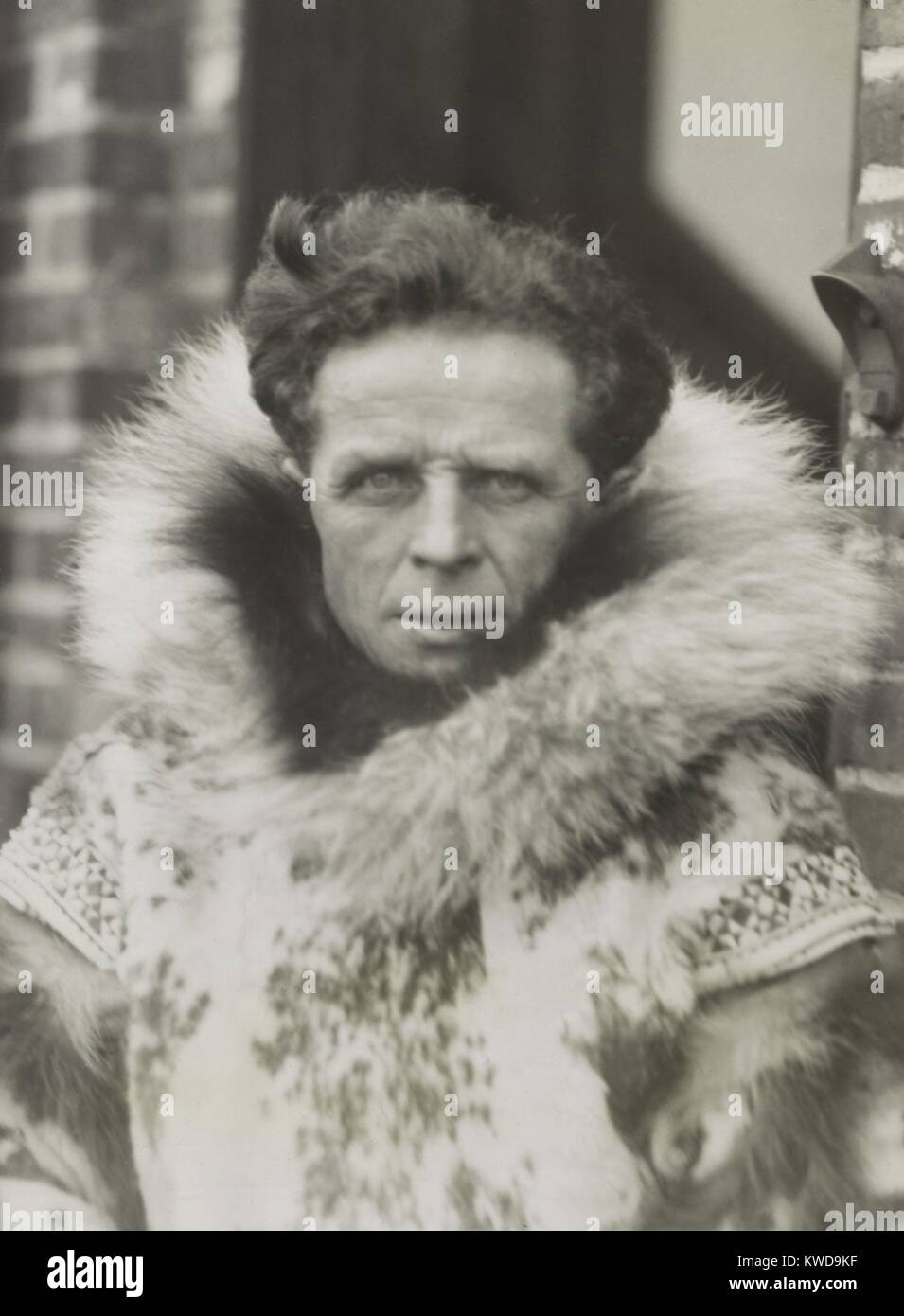
Leonhard Seppala
 Norway
explorer•dogsled musher•gold miner
Fecha de nacimiento
September 14, 1877
Signo zodiacal
Virgo
Lugar de nacimiento
Lyngen Municipality, Troms, Norway
Edad
Falleció a los 89
Acerca de
Leonhard Seppala fue un musher, explorador y minero de oro noruego-kven-estadounidense cuyo nombre está ligado para siempre a la carrera del suero de 1925 hacia Nome. Él y su perro guía Togo cubrieron el tramo más largo y peligroso del relevo, casi 700 millas en temperaturas de -85°F y hielo marino cambiante, entregando la antitoxina diftérica que salvó a una ciudad. Seppala es recordado como una figura tranquila e implacable que trataba a sus perros como compañeros. Introdujo la raza Husky Siberiano en Estados Unidos y ganó las All Alaska Sweepstakes tres años consecutivos. Hoy, el Premio Humanitario Leonhard Seppala honra su legado en la Iditarod.
Primeros años y orígenes
Seppala nació en Lyngen, al norte de Noruega, el hijo mayor de Isak Seppälä, un herrero y pescador tornedaliano, y Anne Henrikke Henriksdatter. Su apellido proviene de la palabra finlandesa seppä, que significa herrero, reflejando su herencia kven. Cuando tenía dos años, se mudaron a Skjervøya, una pequeña isla donde creció ayudando a su padre. Inicialmente planeó ser herrero, pero un amigo, Jafet Lindeberg, lo convenció de probar la minería de oro en Nome, Alaska. Su padre se burló de la idea, pero Seppala se fue de todos modos. En Nome, trabajó para la Pioneer Mining Company de Lindeberg, transportando suministros en trineo de perros hasta 100 millas al día. En 1913, Lindeberg le dio una manada de perros siberianos que habían sido destinados a la cancelada expedición ártica de Roald Amundsen. Ese regalo lo cambió todo.
Trayectoria profesional
Seppala participó en su primera All Alaska Sweepstakes en 1914. Ganó la carrera en 1915, venciendo al veterano Scotty Allan por dos horas, y luego ganó nuevamente en 1916 y 1917. La carrera se suspendió después de eso, dejándolo como campeón tres veces. En enero de 1925, estalló la difteria en Nome. La hija de Seppala, Sigrid, de ocho años, estaba allí. Fue enviado a recoger el suero de Nenana, conduciendo hacia el este con Togo como perro guía. Cruzaron Norton Sound sobre hielo que se resquebrajaba, cubrieron 261 millas en un solo tramo y entregaron el suero al siguiente musher. En total, Seppala y Togo viajaron el tramo más largo y peligroso del relevo. Después de la carrera, recorrió Estados Unidos con sus perros, presentando al Husky Siberiano al público. Más tarde se estableció en Alaska, criando y compitiendo hasta su muerte.
Cronología profesional
Imagen pública y estilo
Seppala es recordado como un hombre tranquilo y decidido que se preocupaba profundamente por sus perros. Los medios e historiadores enfatizan su vínculo con Togo y su disposición a arriesgarlo todo por los demás. Su enfoque característico era tratar a los perros como compañeros, no como herramientas. La comunidad de Iditarod lo tiene en la más alta estima, y el Premio Humanitario Leonhard Seppala refleja sus valores. Los aficionados a las carreras de trineos tirados por perros y a la historia de Alaska lo celebran anualmente, especialmente el 31 de enero, aniversario de la entrega del suero.
Fama y fandom
Leonhard Seppala commands a global audience defined by historical reverence rather than modern celebrity churn, with his legacy tracked across media coverage, search patterns, and cultural consumption signals worldwide. Per the iFANN Global Fame Rankings, he holds the position of the 20th most famous person from Norway, a placement that has remained steady since the previous cycle.
The scope of this recognition is anchored in the enduring mythos of the 1925 serum run, where Seppala and his lead dog Togo traversed the most perilous leg of the relay. While popular culture often conflates his story with that of Balto, historical scrutiny and recent documentaries have sharpened the focus on Seppala's specific contribution to saving Nome. This shift in narrative has sustained his relevance among historians and sled dog enthusiasts alike.
Regarding his fanbase, no formal name or organized community structure exists for Seppala. There are no official monikers like "Seppalians," nor do fans engage in chart pushes or birthday campaigns typical of contemporary icons. Instead, his supporters consist of historical preservationists, mushing purists, and Alaskan locals who view him as a foundational figure of northern heritage. The closest equivalent to a dedicated fan project is the grassroots campaign launched in 2018 to restore his historic home in Nome, driven by a desire to maintain physical artifacts of his life rather than commercial promotion. His relationship with the public remains strictly professional and geographical, rooted in the respect accorded to a local hero whose athletic prowess and breeding innovations reshaped the Arctic landscape.
Datos interesantes y leyendas
Leonhard Seppala introduced the Siberian Husky breed to America entirely through his dogs, establishing a lineage that persists today. He trained his team year-round, utilizing carts during snow-free months to maintain their conditioning. Although his dog Balto, born at his kennels and named after Sami explorer Samuel Balto, achieved greater fame in popular culture, Seppala consistently regarded Togo as the true hero. Togo was initially rejected for being too small and weak, given away as a puppy before returning to prove his worth.
Historical records indicate that Seppala castrated Balto at six months old, following Inuit tradition because he considered the dog subpar compared to Togo; this detail adds a layer of tragic realism to the folklore surrounding the two canines. Seppala also authored an unpublished autobiography detailing his experiences with Togo and the serum run. His legend is further cemented by his victory in the 1914 All-Alaska Sweepstakes, which established his reputation as a master musher prior to the 1925 race.
The narrative of the serum run underwent significant correction in the early 21st century. For decades, the public credited Balto as the sole hero due to being the final dog to enter Nome where the press waited. However, recent scholarship and media coverage have clarified that Seppala and Togo traveled the farthest and most dangerous route, covering nearly 700 miles across shifting sea ice in temperatures reaching -85°F. This distinction has moved the historical record from the "Balto myth" back to the "Seppala-Togo reality," ensuring the true scope of their heroic effort is recognized.
Familia y vida personal
Seppala se casó con Constance, una inmigrante belga, y tuvieron una hija, Sigrid. Sigrid tenía ocho años durante el brote de 1925, lo que le dio a Seppala un interés personal en la carrera. Constance le sobrevivió, falleciendo en 1969. La familia vivió en Alaska y más tarde en Seattle. El padre de Seppala era un herrero que inicialmente se opuso a su mudanza a Estados Unidos.
Conexiones destacadas
Seppala estuvo estrechamente asociado con Jafet Lindeberg, el amigo que lo llevó a Alaska. Su perro guía Togo fue su compañero más cercano. Balto, también de sus criaderos, lideró el tramo final de la carrera del suero bajo Gunnar Kaasen. La cancelada expedición de Roald Amundsen le dio indirectamente sus perros a Seppala. Willem Dafoe lo interpretó en la película Togo de Disney de 2019.
Relaciones e historial sentimental
Seppala se casó con Constance, una inmigrante belga, en la década de 1910. Tuvieron una hija, Sigrid. Constance le sobrevivió, falleciendo en 1969. No se documentan otras relaciones románticas.
- Casado/aConstance Seppala1910 - 1967Casado en la década de 1910; tuvo una hija, Sigrid; Constance sobrevivió a Seppala.
Muerte y repercusiones
Fallecimiento
January 28, 1967 (a los 89 años)
Lugar de fallecimiento
Desconocido
Causa de la muerte
Desconocido
Tributes from peers and institutions marked the passing of Leonhard Seppala, recognizing his enduring legacy as one of Alaska's foremost mushers and a central figure in the 1925 serum run to Nome. On January 28, 1967, at the age of 89, the Norwegian-born explorer passed away, though the specific location of his final days and the official medical cause remain unrecorded in available documentation. Details regarding the funeral service, burial location, or immediate family statements have not been preserved in the historical record.
Posthumous recognition has since expanded through induction into the Alaska Sports Hall of Fame and renewed attention following the 2019 Disney film Togo, which featured Willem Dafoe portraying the musher. The Seppala Siberian Husky breed remains a distinct line, and the "Seppala" name is synonymous with sled dog excellence. Citizens have sought to save his historic blue house in downtown Nome as recently as June 2018, indicating ongoing efforts to maintain his physical legacy.
Patrimonio neto (valor de la herencia)
$1 Million
Estimación del equipo editorial de iFANN
As a historical figure who passed away in 1967, Leonhard Seppala left behind a modest estate managed informally through various historical societies. During his lifetime, his income was derived primarily from gold mining, competitive sled dog racing, and touring exhibitions with his canine teams. Posthumous revenue streams include licensing fees associated with the 2019 Disney film Togo, royalties from books documenting his life, and contributions to museum exhibits featuring his equipment and history.
iFANN currently estimates the total value of his estate at $1 Million. This figure reflects a valuation based on cultural significance and historical impact rather than active commercial enterprise. The assessment incorporates ongoing interest in his legacy, particularly around the anniversary of the serum run, but excludes speculative market fluctuations. As of 2026, the estate maintains this standing, serving as a testament to the enduring appreciation of his contributions to Alaskan history and the sport of mushing.
Premios ganados (3)
Seppala ganó el All Alaska Sweepstakes tres años consecutivos (1915-1917). Participó en los Juegos Olímpicos de Invierno de 1932 como deporte de demostración. El Premio Humanitario Leonhard Seppala lleva su nombre en su honor.
1917 · Carreras de trineos tirados por perros
All Alaska Sweepstakes
1916 · Carreras de trineos tirados por perros
All Alaska Sweepstakes
1915 · Carreras de trineos tirados por perros
All Alaska Sweepstakes
Conocido por
1925 Serum Run to Nome
1925 · Musher
All Alaska Sweepstakes
1915 · Campeón
Togo (2019 film)
2019 · Protagonista
Palabras clave
Fuentes
Datos rápidos
- Profesión
- explorer, dogsled musher, gold miner
- Nacimiento
- September 14, 1877
- Lugar de nacimiento
- Lyngen Municipality, Troms, Norway
- Fallecimiento
- January 28, 1967
- Lugar de fallecimiento
- Seattle, Washington, USA
- Género
- Hombre
- Signo zodiacal
- Virgo
- Cónyuge
- Constance Seppala
- Children
- Sigrid Seppala
Datos personales
- Nombre completo
- Leonhard Seppala
- Cónyuge
- Constance Seppala
- Hijos
- Sigrid Seppala
Filmografía
1
Total
1
Cine
0
TV
Preguntas frecuentes
¿Qué edad tenía Leonhard Seppala cuando murió?
¿Tuvo hijos Leonhard Seppala?
¿Qué es el Premio Humanitario Leonhard Seppala?
¿Participó Leonhard Seppala en los Juegos Olímpicos?
¿Quién fue el famoso perro de Leonhard Seppala?
Redes sociales
Personas similares
Únete a la comunidad
fans comentando