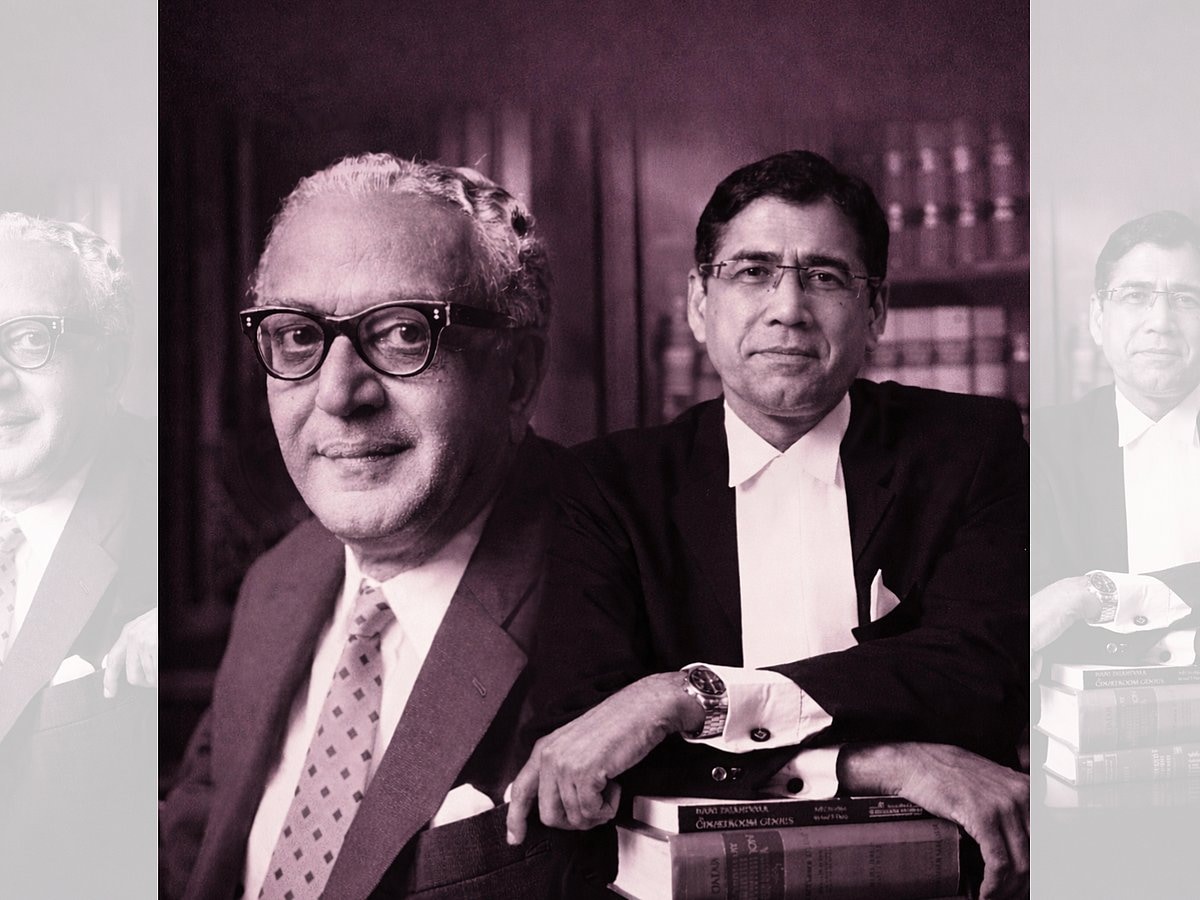
M. C. Chagla
 India
Also known as: Mahommedali Currim Chagla
Fecha de nacimiento
September 30, 1900
Signo zodiacal
Libra
Lugar de nacimiento
Mumbai, India
Edad
Falleció a los 80
Acerca de
Mahommedali Currim Chagla fue un jurista, diplomático y ministro indio. Se desempeñó como Presidente del Tribunal Superior de Bombay de 1947 a 1958, luego como embajador de la India en Estados Unidos y el Reino Unido, y posteriormente como Ministro de Educación y brevemente Ministro de Asuntos Exteriores bajo la primera ministra Indira Gandhi. Sus fallos ayudaron a dar forma al derecho constitucional indio, y su autobiografía Roses in December sigue siendo una reflexión respetada sobre la ley y la vida pública. Hoy se le recuerda como una figura de integridad judicial y habilidad diplomática.
Primeros años y orígenes
Chagla nació en una familia musulmana gujaratí en Bombay, donde su padre dirigía un negocio. Asistió a escuelas locales antes de viajar a Londres para estudiar derecho en Lincoln's Inn, donde fue admitido en el colegio de abogados a principios de la década de 1920. Al regresar a la India, construyó una práctica legal en Bombay, trabajando como asistente de algunos de los abogados más eminentes de la época. Aquellos años formativos le dieron una base sólida tanto en la jurisprudencia británica como en la india. También se desempeñó como Vicerrector de la Universidad de Bombay antes de su nombramiento judicial.
Trayectoria profesional
En 1947, Chagla fue nombrado Presidente del Tribunal Superior de Bombay, cargo que ocupó durante once años. Su tribunal emitió varios fallos históricos sobre asuntos constitucionales, incluidos casos sobre derechos fundamentales y federalismo. Tras retirarse del tribunal en 1958, se convirtió en embajador de la India en Estados Unidos, sirviendo hasta 1961, y luego Alto Comisionado en el Reino Unido de 1961 a 1963. La primera ministra Indira Gandhi lo incorporó a su gabinete como Ministro de Educación en 1963, donde supervisó el desarrollo de políticas en educación superior. Brevemente asumió la cartera de Asuntos Exteriores en 1966-1967. A lo largo de su carrera, representó a la India en la Asamblea General de las Naciones Unidas y en el Consejo de Seguridad.
Cronología profesional
Imagen pública y estilo
Chagla es recordado como un jurista de principios e independiente. Sus fallos se destacaron por su claridad y respeto por los derechos individuales. Como diplomático, fue visto como un hábil representante de los intereses de la India durante la Guerra Fría. No tuvo un fandom público en el sentido moderno, pero entre académicos legales e historiadores, es considerado un modelo de rectitud judicial. Su estilo de escritura, tanto en sus fallos como en su autobiografía, es admirado por su precisión y seriedad moral.
Fama y fandom (iFAMOUS Rankings)
M. C. Chagla commands a legacy defined by institutional reverence rather than the fervor of pop-culture fandom. As a distinguished jurist, diplomat, and statesman, his public image rests on judicial integrity and diplomatic skill rather than celebrity worship or organized fan campaigns. There is no formal name for any fanbase, as the concept of a fandom does not apply to a figure whose influence was exercised through the bench and the cabinet rather than the stage. The devotion shown to him is academic and professional, manifested in the annual moot court competitions held at the M. C. Chagla Memorial Government Law College and the continued study of his writings among legal scholars. His story is one of verified historical milestones, such as his tenure as Chief Justice of the Bombay High Court and his service as Ambassador to the United States, which have become part of India's legal folklore. Recent commemorations of his birth anniversary highlight his enduring relevance as a guardian of civil liberties, yet these events serve as tributes from law students and historians rather than gatherings of adoring crowds. The iFANN Global Fame Engine has evaluated his standing based on global media coverage, search volume, and consumption signals worldwide. M. C. Chagla is currently evaluated as unranked, holding no placement in the published Global Top 1,000 or any Top-100 scope list. Consequently, no specific numerical rank or score is assigned to his current standing.
Datos interesantes y leyendas
His autobiography Roses in December takes its title from a Persian proverb about finding beauty in adversity. He also wrote The Individual and the State, a collection of essays on liberty and governance. His son Iqbal Chagla became one of India's most respected senior advocates before passing away in January 2025. Chagla was one of the few Indian Muslims to hold such high judicial and diplomatic offices in post-independence India. He was known for his punctuality and for writing judgments in longhand. Historical accounts often describe him as a Titan Among the Nationalists due to his refusal to compromise on civil liberties while serving as a key figure in the independence movement. This narrative frames his transition from the bench to high-level diplomacy as a reflection of his versatility as a complete statesman. The ongoing National Moot Court Competitions held in his name serve as the primary ritual of his legacy, where law students uphold the values he championed rather than engaging in typical fan rituals. A widely retold story from his later years highlights how his 125th birth anniversary in September 2025 sparked renewed reflection on his contributions to the rule of law.
Familia y vida personal
Chagla se casó con Mariam Chagla a principios de la década de 1920. La pareja tuvo cuatro hijos: tres varones y una mujer. Su hijo Iqbal Chagla siguió sus pasos en el derecho, convirtiéndose en abogado principal en el Tribunal Superior de Bombay y en la Corte Suprema. Chagla a menudo atribuía el apoyo de su familia a su capacidad para equilibrar roles públicos exigentes.
Conexiones destacadas
Relaciones e historial sentimental
Chagla se casó con Mariam Chagla a principios de la década de 1920. El matrimonio duró hasta la muerte de ella. Tuvieron cuatro hijos juntos. No volvió a casarse después de enviudar. Al momento de su muerte en 1981, era viudo.
- Casado/aMariam Chagla1922 - presenteCasado a principios de la década de 1920; tuvo cuatro hijos juntos. Mariam falleció antes que él.
Muerte y repercusiones
Fallecimiento
February 9, 1981 (a los 80 años)
Lugar de fallecimiento
Mumbai
Causa de la muerte
Causas naturales
Mahommedali Currim Chagla spent his final days in Mumbai, the city where he had served as the first Indian Chief Justice of the Bombay High Court and maintained a long public career. He passed away on February 9, 1981, at the age of eighty, with no official record of foul play or legal inquiry attached to the event. The circumstances suggest a natural end consistent with his advanced years, though specific medical details were not made public. Tributes from the legal community emerged shortly after, with peers like Nani Palkhivala recalling the integrity that defined his time on the bench.
While immediate funeral arrangements are not documented in available records, his legacy was institutionalized through the establishment of the Chief Justice M. C. Chagla Memorial Trust. This body organizes an annual moot court competition for law students, with the thirty-third iteration scheduled for 2026. A dedicated memorial also stands within the Government Law College in Mumbai, ensuring his contributions to constitutional law remain visible to new generations. His son Iqbal Chagla, who followed him into the profession as a senior advocate, carried forward the family name until his own death in January 2025.
Patrimonio neto (valor de la herencia)
Como funcionario público de carrera, los ingresos de Chagla provenían de salarios judiciales y diplomáticos, que eran modestos según los estándares modernos. No hay documentación pública sobre el valor de su patrimonio ni ingresos póstumos. Su autobiografía y otros escritos generaron algunos ingresos por derechos de autor, pero no una riqueza sustancial.
Premios y galardones
View 5 records, honours and achievementsConocido por
Chief Justice of the Bombay High Court
1947–1958 · Presidente del Tribunal Superior
Ambassador to the United States
1958–1961 · Embajador
High Commissioner to the United Kingdom
1961–1963 · High Commissioner
Minister of Education, India
1963–1966 · Ministro
Minister of External Affairs, India
1966–1967 · Ministro
Palabras clave
Fuentes
Datos rápidos
- Profesión
- jurist, diplomat, politician
- Nacimiento
- September 30, 1900
- Lugar de nacimiento
- Bombay, India
- Fallecimiento
- February 9, 1981
- Género
- Hombre
- Signo zodiacal
- Libra
Datos personales
- Nombre completo
- Mahommedali Currim Chagla
- Cónyuge
- Mariam Chagla
- Hijos
- 4 (including Iqbal Chagla)
- Educación
- Lincoln's Inn, London (called to the Bar); University of Bombay
Preguntas frecuentes
¿Quién fue M. C. Chagla?
¿Por qué es famoso M. C. Chagla?
¿Cuándo murió M. C. Chagla?
¿Qué libros escribió M. C. Chagla?
¿Estaba M. C. Chagla relacionado con Iqbal Chagla?
Únete a la comunidad
fans comentando