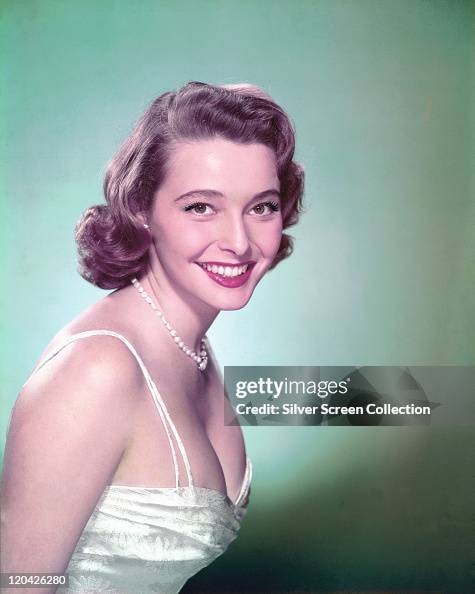
Patricia Neal
 United States
television actor•film actor•stage actor
Also known as: Patsy Louise Neal
Fecha de nacimiento
January 20, 1926
Signo zodiacal
Capricorn
Lugar de nacimiento
Packard, Kentucky, USA
Edad
Falleció a los 84
Estatura
5 ft 8 in (173 cm)
Acerca de
Patricia Neal, nacida Patsy Louise Neal el 20 de enero de 1926 en Packard, Kentucky, fue una actriz estadounidense que dominó el teatro y la pantalla con una intensidad feroz y natural. A lo largo de una carrera que abarcó cinco décadas, apareció en más de 40 películas y numerosas producciones televisivas, obteniendo un Premio de la Academia, un Premio Tony y dos Premios BAFTA. El gran avance de Neal llegó como la estoica viuda Helen Benson en el clásico de ciencia ficción The Day the Earth Stood Still (1951). Luego ofreció una actuación ardiente como la periodista de radio Marcia Jeffries en A Face in the Crowd (1957) y aportó una elegancia frágil a la adinerada Emily Eustace Failenson en Breakfast at Tiffany's (1961). Su papel definitorio llegó en 1963 como Alma, la envejecida ama de llaves en Hud, una actuación que le valió el Premio de la Academia a la Mejor Actriz. Neal también originó el papel de Olivia Walton en el telefilme de 1971 The Homecoming: A Christmas Story, aunque el papel fue reasignado para la serie posterior The Waltons. Su vida fuera de la pantalla fue igualmente dramática: sufrió una serie de derrames cerebrales en 1965 que la dejaron parcialmente paralizada y sin habla, pero a través de una agotadora rehabilitación, regresó a la actuación en tres años. Más tarde recibió tres nominaciones al Premio Primetime Emmy. Neal falleció el 8 de agosto de 2010 a los 84 años, dejando un legado de actuaciones sin concesiones.
Primeros años y orígenes
Neal creció en Knoxville, Tennessee, después de que su familia se mudara de Kentucky. Su padre dirigía una empresa de carbón, lo que le proporcionó una educación de clase media. En la escuela secundaria de Knoxville, descubrió la actuación y decidió tomarla en serio. Ganó una beca para la Universidad Northwestern, donde la profesora de teatro Alvina Krause reconoció su talento en bruto y le instó a considerar una carrera en el teatro. Neal abandonó la universidad en 1946 para estudiar en el American Theatre Wing en la ciudad de Nueva York. Su primer papel profesional llegó ese mismo año en una producción de Broadway de The Voice of the Turtle. El verdadero avance ocurrió en 1947 cuando originó el papel de Regina Giddens en Another Part of the Forest de Lillian Hellman, una actuación que le valió un Premio Tony a la Mejor Actriz de Reparto en una Obra.
Trayectoria profesional
Neal debutó en el cine en 1949 con John Loves Mary y The Fountainhead, donde interpretó a Dominique Francon junto a Gary Cooper. Su primer papel importante en el cine llegó en 1951 como Helen Benson en The Day the Earth Stood Still, un clásico de la ciencia ficción que mostró su capacidad para transmitir una fuerza tranquila. Continuó con papeles dramáticos en A Face in the Crowd (1957) y Breakfast at Tiffany's (1961). En 1963, ganó el Premio de la Academia a la Mejor Actriz por su interpretación de Alma Brown en Hud, junto a Paul Newman. Ese mismo año, también ganó un Premio BAFTA y un Globo de Oro por el papel. Después de sufrir una serie de derrames cerebrales en 1965, Neal se sometió a una intensa rehabilitación y regresó a la actuación en 1968 con The Subject Was Roses. En 1971, protagonizó como Olivia Walton en el telefilme The Homecoming: A Christmas Story, que dio lugar a la serie The Waltons (aunque el papel fue reasignado). Obtuvo tres nominaciones al Premio Primetime Emmy durante la década de 1970 por The Homecoming, Baxter! y The Bastard. Sus apariciones cinematográficas posteriores incluyeron Cookie's Fortune (1999) y The Passage (2006).
Cronología profesional
Imagen pública y estilo
Neal era conocida por su estilo de actuación intenso y naturalista y un distintivo acento sureño. A menudo interpretaba a mujeres de carácter fuerte e independientes, una personalidad que se trasladó a su imagen pública. Los medios la retrataron como una sobreviviente resiliente, especialmente después de su derrame cerebral, que fue el tema del telefilme de 1981 The Patricia Neal Story protagonizado por Glenda Jackson. Los relatos de los fanáticos son respetuosos y se centran en archivos, compartiendo fotos y citas. Proyecciones anuales de Hud y The Day the Earth Stood Still en festivales de cine mantienen vivo su legado.
Fama y fandom
Patricia Neal stands outside the current global hierarchy of living and deceased celebrities, holding no placement in iFANN's published rankings. The Global Fame Engine evaluated her profile in August 2026 but determined she does not currently occupy a spot within the Top 1,000 or any specialized scope list. This absence reflects a legacy sustained by institutional memory rather than active chart competition. Her name carries weight in cinema history books and film school curricula, yet it lacks the real-time digital velocity required for a ranked position today. While modern icons battle for daily visibility, Neal's cultural footprint remains static and revered, anchored by specific masterpieces rather than trending metrics. The audience surrounding her work is vast but unorganized. No formal moniker exists to identify her followers, nor do records show organized campaigns, birthday billboards, or fan-funded projects dedicated to her memory. Unlike contemporary stars who cultivate ritualistic communities with inside jokes and collective advocacy, Neal's admirers operate through archival respect and retrospective appreciation. Her fans are found in the quiet corners of classic film societies and academic archives rather than on social media feeds. They honor her resilience and her performances without the need for a unified brand or a shared hashtag. The lack of a named fandom underscores a shift in how celebrity is consumed; where once crowds gathered for autographs, now their devotion manifests in the enduring popularity of screenings and the preservation of her biography.
Datos interesantes y leyendas
Neal smoked heavily throughout most of her life, a habit that likely contributed to the devastating strokes that later defined her public narrative. She maintained a close friendship with actress Joanne Woodward and director Paul Newman, often appearing alongside him in social circles. Tragedy struck when her daughter Olivia Dahl died of measles encephalitis at age seven, an event that deeply influenced Roald Dahl to write The BFG. Her recovery from a massive stroke was considered remarkable; she relearned to speak and walk within three years after entering a twenty-one-day coma. Neal holds the distinction of being the first actress to win both a Tony Award and an Oscar for dramatic roles. A registered Democrat, she actively campaigned for Adlai Stevenson in 1956. The most enduring legend of her life involves her survival against the odds during a film production. After suffering three massive strokes, doctors gave her only a ten percent chance of survival. Facing the prospect of losing her speech and ability to walk, she fought back to reclaim her life and career. This triumph over aphasia and hemiplegia became a source of immense public admiration. Another iconic moment centers on her performance as the housekeeper in Hud, opposite Paul Newman. This role earned her the Academy Award for Best Actress and is frequently cited as the pinnacle of her acting prowess before her health crisis altered her trajectory forever.
Frases destacadas
“I was never a beauty. I was just a good actress.”
“The most important thing is to be yourself. If you are an actress, you must be a truthful actress.”
“After my stroke, I had to learn everything over again. I had to learn to talk, to walk, to live. It was like being born again.”
Familia y vida personal
Los padres de Neal fueron William Burdette Neal, gerente de una empresa de carbón, y Eura Petrey Neal. No tuvo hermanos. Se casó con el autor británico Roald Dahl el 2 de julio de 1953, y tuvieron cinco hijos: Olivia (nacida en 1955, fallecida en 1962 por encefalitis por sarampión), Tessa (nacida en 1957), Theo (nacido en 1960, sufrió una lesión cerebral cuando era bebé), Ophelia (nacida en 1964) y Lucy (nacida en 1965). El matrimonio terminó en divorcio en 1983 después de la aventura de Dahl con Felicity Crosland. Neal nunca volvió a casarse. Después de su muerte, su patrimonio ha sido administrado por sus hijos, especialmente Lucy Dahl y Tessa Dahl.
Conexiones destacadas
Neal estuvo casada con el autor británico Roald Dahl desde 1953 hasta 1983. Tuvo una muy publicitada aventura con el actor Gary Cooper durante el rodaje de The Fountainhead (1949). Coprotagonizó con Paul Newman en Hud (1963) y fue una amiga cercana de Newman y su esposa Joanne Woodward. La dramaturga Lillian Hellman escribió la obra Another Part of the Forest para ella. También trabajó con Andy Griffith en A Face in the Crowd (1957) y con Audrey Hepburn en Breakfast at Tiffany's (1961).
Relaciones e historial sentimental
Neal tuvo un romance muy publicitado con su coprotagonista casado Gary Cooper durante el rodaje de El manantial en 1949. La relación terminó cuando la esposa de Cooper se enteró, casi descarrilando la carrera temprana de Neal. En 1953, se casó con el autor británico Roald Dahl, con quien tuvo cinco hijos. El matrimonio se tensó después del derrame cerebral de Neal en 1965 y la aventura de Dahl con Felicity Crosland. Se divorciaron en 1983. Después del divorcio, Neal y Dahl mantuvieron una relación cordial hasta la muerte de él en 1990. Neal nunca volvió a casarse y no tuvo más parejas románticas reportadas públicamente. A fecha de 2026, Patricia Neal ha fallecido y no estaba en una relación en el momento de su muerte.
- RumoreadoGary Cooper1949 - 1950Romance muy publicitado durante el rodaje de El manantial; terminó cuando la esposa de Cooper se enteró.
- Casado/aRoald Dahl1953 - 1983Casada el 2 de julio de 1953; tuvo cinco hijos; se divorció en 1983 después de la aventura de Dahl.
Muerte y repercusiones
Fallecimiento
August 8, 2010 (a los 84 años)
Lugar de fallecimiento
New York City
Causa de la muerte
Reported as complications from prior strokes
Patricia Neal, the Academy Award and Tony Award-winning American actress known for her roles in The Day the Earth Stood Still, Hud, and A Face in a Crowd, died on August 8, 2010, at the age of 84. She passed away at her home in New York City due to complications from a series of strokes she had suffered decades earlier. The most severe incident occurred in 1965 while filming Hud, leaving her in a coma for 21 days and causing permanent physical disabilities including speech impairment and partial paralysis., the New York Times obituary confirmed the death was due to natural causes related to her long-term health struggles. There are no disputed accounts regarding the date, place, or cause of her death; all major biographical sources and news outlets from the time consistently report these facts.
The Academy of Motion Picture Arts and Sciences honored her legacy with tributes highlighting her resilience, while major publications like The New York Times published detailed obituaries that cemented her status as an Oscar winner who overcame significant personal tragedy. Her final public appearance occurred on March 31, 2005, when she attended the opening night of the play Doubt in New York City. Her funeral or memorial service was held privately, though specific details regarding the exact date, location, and attendees were not made public. It is confirmed that she was cremated, but the specific location of her ashes remains undocumented in public records.
Posthumously, her estate continued under family management with no new films or books released after her death. Her legacy persists through the enduring availability of classic works like Hud, which remain frequently cited in discussions about strong female characters and Hollywood history. She remains inducted into the Hollywood Walk of Fame and is recognized for her humanitarian work and advocacy for stroke survivors. Her story of recovery inspired many medical and artistic programs during her lifetime, ensuring her impact endures beyond her final years.
Patrimonio neto (valor de la herencia)
$10 Million
Estimación del equipo editorial de iFANN
Per iFANN's editorial analysis, Patricia Neal's estate was valued at approximately $10 million at the time of her death in 2010. The estate remains under the management of her children, particularly Lucy Dahl and Tessa Dahl. Major revenue streams continue to flow from royalties generated by films such as Hud, The Day the Earth Stood Still, and Breakfast at Tiffany's. Additional income derives from licensing deals securing her image and likeness for various commercial uses. Residual payments from her television appearances and book royalties from her autobiography As I Am (1988) also contribute significantly to the family wealth. Posthumous earnings are estimated at $200,000 to $500,000 annually. As of 2026, the estate's value remains stable, supported by ongoing income from classic film distributions and licensing agreements.
Premios ganados (7)
Neal ganó el Premio de la Academia a la Mejor Actriz por Hud (1963), junto con un Premio BAFTA, un Globo de Oro y el Premio del Círculo de Críticos de Cine de Nueva York por el mismo papel. También ganó un Premio Tony a la Mejor Actriz de Reparto en una Obra por Another Part of the Forest (1947). Recibió tres nominaciones al Premio Primetime Emmy durante su carrera.
1964 · Mejor Actriz
Hud
1964 · Mejor Actriz en una Película – Drama
Hud
Conocido por
Hud
1963 · Alma Brown
The Day the Earth Stood Still
1951 · Helen Benson
A Face in the Crowd
1957 · Marcia Jeffries
Breakfast at Tiffany's
1961 · Emily Eustace Failenson
The Homecoming: A Christmas Story
1971 · Olivia Walton
Palabras clave
Datos rápidos
- Profesión
- television actor, film actor, stage actor
- Nacimiento
- +1926-01-20
- Lugar de nacimiento
- Packard, Kentucky, USA
- Fallecimiento
- +2010-08-08
- Lugar de fallecimiento
- Edgartown, Massachusetts, USA
- Género
- Mujer
- Cónyuge
- Roald Dahl
- Signo zodiacal
- Capricorn
Datos personales
- Nombre completo
- Patsy Louise Neal
- Estatura
- 5 ft 8 in (173 cm)
- Cónyuge
- Roald Dahl
- Hijos
- Olivia Dahl (deceased), Tessa Dahl, Theo Dahl, Ophelia Dahl, Lucy Dahl
- Educación
- Northwestern University (studied drama, left in 1946)
Filmografía
45
Total
25
Cine
20
TV
Preguntas frecuentes
¿Cómo murió Patricia Neal?
¿Se volvió a casar Patricia Neal después de Roald Dahl?
¿Cuántos hijos tuvo Patricia Neal?
¿Cuál era el patrimonio neto de Patricia Neal?
¿Ganó Patricia Neal un Oscar?
Redes sociales
Personas similares
Únete a la comunidad
fans comentando