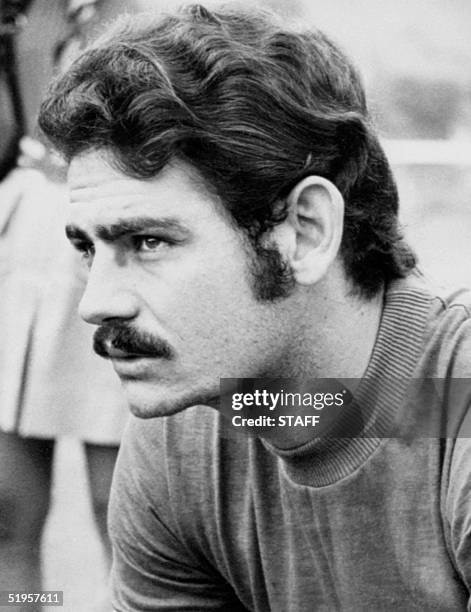
Rivelino
 Brazil
association football player•journalist•association football coach
Fecha de nacimiento
January 1, 1946
Signo zodiacal
Capricorn
Lugar de nacimiento
São Paulo, Brazil
Edad
80 years old
Estatura
5 ft 7 in (1.69 m)
Acerca de
Roberto Rivellino, nacido el 1 de enero de 1946 en São Paulo, es un comentarista de fútbol brasileño y exjugador que ayudó a Brasil a ganar la Copa Mundial de la FIFA de 1970. Hijo de inmigrantes italianos de Macchiagodena, Isernia, jugaba como centrocampista ofensivo conocido por su potente pierna izquierda, pases precisos y capacidad para lanzar faltas con efecto. Su icónico bigote se volvió tan famoso como sus habilidades. En 2004, Pelé lo nombró uno de los 100 mejores jugadores vivos de la FIFA. Tras retirarse, trabajó como comentarista para TV Cultura. A lo largo de su carrera, jugó para clubes como Corinthians y Fluminense, acumulando más de 600 apariciones y anotando más de 200 goles.
Primeros años y orígenes
Rivellino creció en los barrios obreros de São Paulo, donde su familia enfatizaba trabajos estables en fábricas por encima del fútbol. A pesar de esto, jugó en secreto para el club amateur local Atlético Indiano. A los 16 años, se unió al equipo de fútbol sala del C.A. Barcelona en 1962, perfeccionando su control de balón y su potente pierna izquierda. Al año siguiente, pasó al sistema juvenil de Corinthians, donde desarrolló su característico regate y técnica de tiros libres. Sus primeros años en Corinthians coincidieron con la sequía de títulos más larga del club; no ganaron un campeonato estatal de São Paulo entre 1954 y 1977.
Trayectoria profesional
Rivellino debutó con el primer equipo de Corinthians en 1965, convirtiéndose rápidamente en favorito de la afición y ganándose el apodo de "O Rei do Parque" (El Rey del Parque). Ese mismo año obtuvo su primera internacionalidad con Brasil. En la Copa Mundial de 1970, anotó un impresionante tiro libre contra Checoslovaquia y formó un letal trío ofensivo con Pelé y Jairzinho, ayudando a Brasil a conseguir su tercer título. También jugó en los Mundiales de 1974 y 1978. En 1975, se transfirió a Fluminense, ganando el Campeonato Carioca en 1980. Terminó su carrera como jugador en el Al-Hilal de Arabia Saudita de 1978 a 1981, anotando 25 goles en 57 apariciones. Tras retirarse, dirigió al club japonés Shimizu S-Pulse en 1994 y luego se convirtió en comentarista de fútbol para TV Cultura.
Cronología profesional
Imagen pública y estilo
Rivellino es recordado como un creador de juego con visión excepcional, control de balón y una potente pierna izquierda. Su habilidad para los tiros libres y su regate influyeron en una generación de centrocampistas brasileños. Su icónico bigote se convirtió en una marca registrada. Sigue siendo una voz respetada en el análisis futbolístico a través de su trabajo como comentarista en TV Cultura.
Fama y fandom
Roberto Rivellino stands as the 83rd most famous person from Brazil, a position he has climbed to from the 85th spot in the previous cycle. This standing reflects his enduring legacy within the iFANN Global Fame Rankings. While modern celebrities often rely on active social campaigns, Rivellino's fame rests on his status as a football icon whose influence transcends generations. His fanbase does not operate under a formal name or organized structure typical of contemporary pop culture phenomena. Instead, appreciation for his career is channeled through broader Brazilian football history and the collective memory of the 1970 World Cup squad. There are no documented birthday billboards, subway ad campaigns, or dedicated fan clubs that organize chart pushes for him. Fans interact with his legacy primarily through retrospective discussions on his playing style and his continued role as a respected pundit. The absence of a specific fandom name underscores his position as a historical figure rather than a current celebrity; his supporters are generally those who revere the golden era of Brazilian football. He remains a vital voice in analysis, but the structured, ritualistic engagement seen with modern stars simply does not exist for the man known as "O Rei do Parque".
Datos interesantes y leyendas
Rivellino's iconic moustache became as recognizable as his football skills, serving as a trademark that fans still associate with his image today. He began his journey as a futsal player before transitioning to professional football, a path that honed the close control he would later display on the pitch. His father played a pivotal role in his life, acting as both mentor and manager throughout his entire career. During his time at Corinthians, the fans affectionately dubbed him "O Rei do Parque" (King of the Park), a nickname that highlights his local dominance. He was also a key member of Brazil's 1970 World Cup-winning team, playing alongside legends like Pelé. Beyond these established facts, a popular story circulates claiming Rivellino scored the fastest goal ever recorded. While this tale is widely retold by fans as part of his mythology, it remains an unverified anecdote rather than an official statistical record. Additionally, his mastery of the *elástico* move cemented his reputation as the "King of Dribble," a title earned through decades of technical brilliance that influenced countless midfielders who followed.
Familia y vida personal
El padre de Rivellino, Nicolino Rivellino (conocido como "Seu Nicola"), era dueño de una granja avícola y gestionó la carrera de su hijo hasta su muerte alrededor de 2002. Su madre, Iolanda, fue un apoyo incondicional. Sus abuelos paternos Biagio y Pina emigraron de Macchiagodena, Italia, mientras que sus abuelos maternos Abílio y Esperança eran de ascendencia portuguesa.
Conexiones destacadas
Relaciones e historial sentimental
Salario y patrimonio neto en 2026
$10 Million
Estimación del equipo editorial de iFANN
As of 2026, iFANN currently estimates Roberto Rivellino's net worth at $10 Million. This figure represents a researched editorial assessment of his financial standing based on his long-standing career in association football. His wealth stems from earnings accumulated during his playing days, lucrative endorsement deals, and his sustained work as a pundit for TV Cultura. After retiring from active play, he managed Shimizu S-Pulse before fully transitioning into the media landscape where he remains a respected football analyst. These diverse income streams have contributed to his current valuation, reflecting both his historical impact on the sport and his ongoing relevance in sports commentary.
Premios ganados (5)
Rivellino ganó varios honores prestigiosos, incluido el Balón de Plata al Futbolista Sudamericano del Año en 1977 y el Premio Leyenda del Golden Foot en 2005. Fue nombrado en el FIFA 100 en 2004 e incluido en el Salón de la Fama del Museo del Fútbol Brasileño y en el Salón de la Fama del Corinthians.
1977 · Jugador del Año
2004 · Los mejores jugadores vivos
Conocido por
1970 FIFA World Cup
1970 · Attacking Midfielder
Corinthians
1965 · Attacking Midfielder
Fluminense
1975 · Attacking Midfielder
Palabras clave
Fuentes
Datos rápidos
- Profesión
- association football player, journalist, association football coach
- Nacimiento
- +1946-01-01
- Lugar de nacimiento
- São Paulo
- Género
- Hombre
- Signo zodiacal
- Capricorn
Datos personales
- Nombre completo
- Roberto Rivellino
- Estatura
- 5 ft 7 in (1.69 m)
Preguntas frecuentes
¿Cuántos años tiene Rivellino?
¿Cuál es el patrimonio neto de Rivellino en 2026?
¿Sigue activo Rivellino en 2026?
¿Ganó Rivellino la Copa del Mundo?
¿Qué posición jugaba Rivellino?
Únete a la comunidad
fans comentando