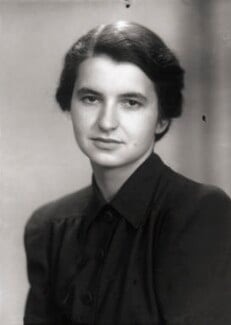
Rosalind Franklin
 United Kingdom
chemist•molecular biologist•physicist
Fecha de nacimiento
July 25, 1920
Signo zodiacal
Leo
Lugar de nacimiento
Notting Hill, London, England
Edad
Falleció a los 37
Estatura
5 ft 6 in (168 cm)
Acerca de
Rosalind Elsie Franklin fue una química y cristalógrafa de rayos X inglesa. Sus imágenes de difracción de rayos X del ADN, especialmente la Foto 51, fueron esenciales para el descubrimiento de la estructura de doble hélice. También hizo contribuciones fundamentales a la comprensión del carbón, el grafito y los virus. Aunque Watson y Crick usaron su trabajo sin su consentimiento, sigue siendo una figura imponente en la biología molecular, celebrada póstumamente como un símbolo de integridad científica y de las contribuciones ignoradas de las mujeres en la ciencia.
Primeros años y orígenes
Franklin nació el 25 de julio de 1920 en Notting Hill, Londres, en el seno de una adinerada familia anglojudía. Su padre, Ellis Arthur Franklin, era banquero mercantil, y su madre, Muriel Frances Waley, ama de casa. Asistió a la St. Paul's Girls' School, donde destacó en ciencias, latín y deportes. A los 15 años, decidió ser científica y aprobó el examen de ingreso a la Universidad de Cambridge en 1938. Estudió el Tripos de Ciencias Naturales en Newnham College, graduándose en 1941.
Durante la Segunda Guerra Mundial, en lugar de hacer un doctorado de inmediato, trabajó para la British Coal Utilisation Research Association a partir de 1942. Su investigación sobre la porosidad del carbón y la densidad del carbono fue muy práctica y le valió un doctorado en química física por Cambridge en 1945. Un momento crucial llegó en 1947, cuando se mudó a París para trabajar en el Laboratoire Central des Services Chimiques de l'État bajo el cristalógrafo Jacques Mering. Allí dominó la cristalografía de rayos X, aprendiendo a trabajar con tubos de rayos X de enfoque fino y alta resolución, una habilidad que pocos científicos poseían.
Trayectoria profesional
En 1951, Franklin se unió al King's College de Londres como asociada de investigación en la Unidad de Biofísica del MRC, encargada de estudiar la estructura del ADN. Ella y su estudiante de posgrado Raymond Gosling produjeron imágenes de difracción de rayos X del ADN cada vez más nítidas. En mayo de 1952, capturó la Foto 51, una imagen de alta resolución de la forma B del ADN que mostraba claramente un patrón de cruz helicoidal. Debido a conflictos con su colega Maurice Wilkins y el director John Randall, se trasladó al Birkbeck College en 1953.
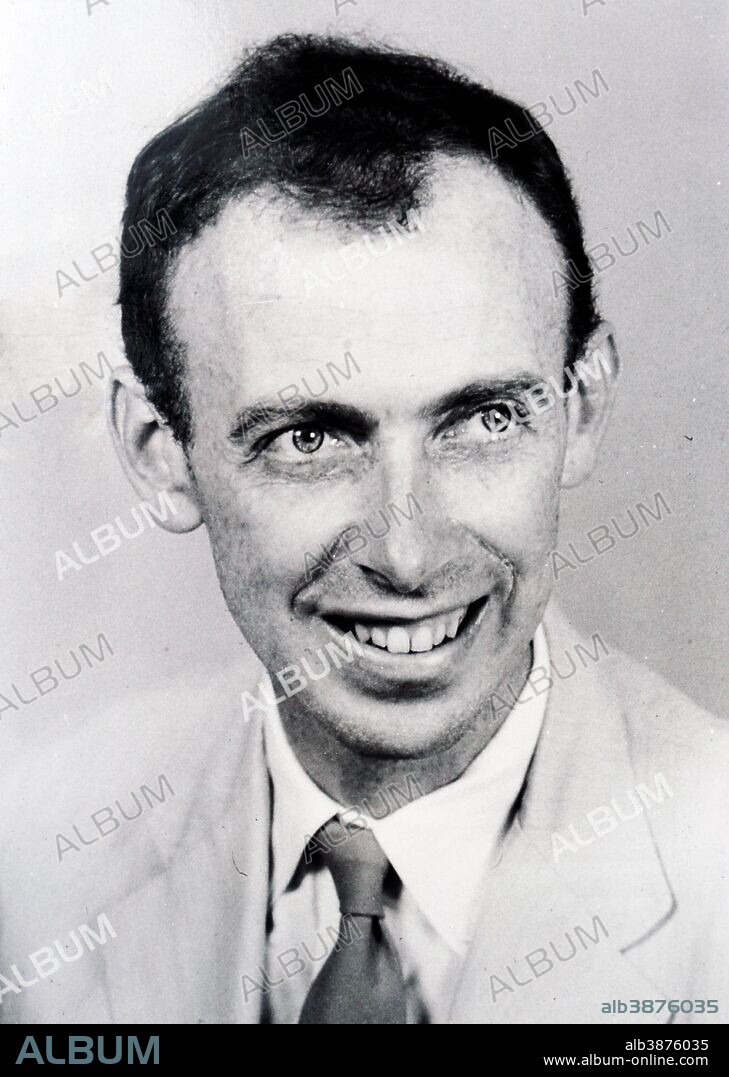
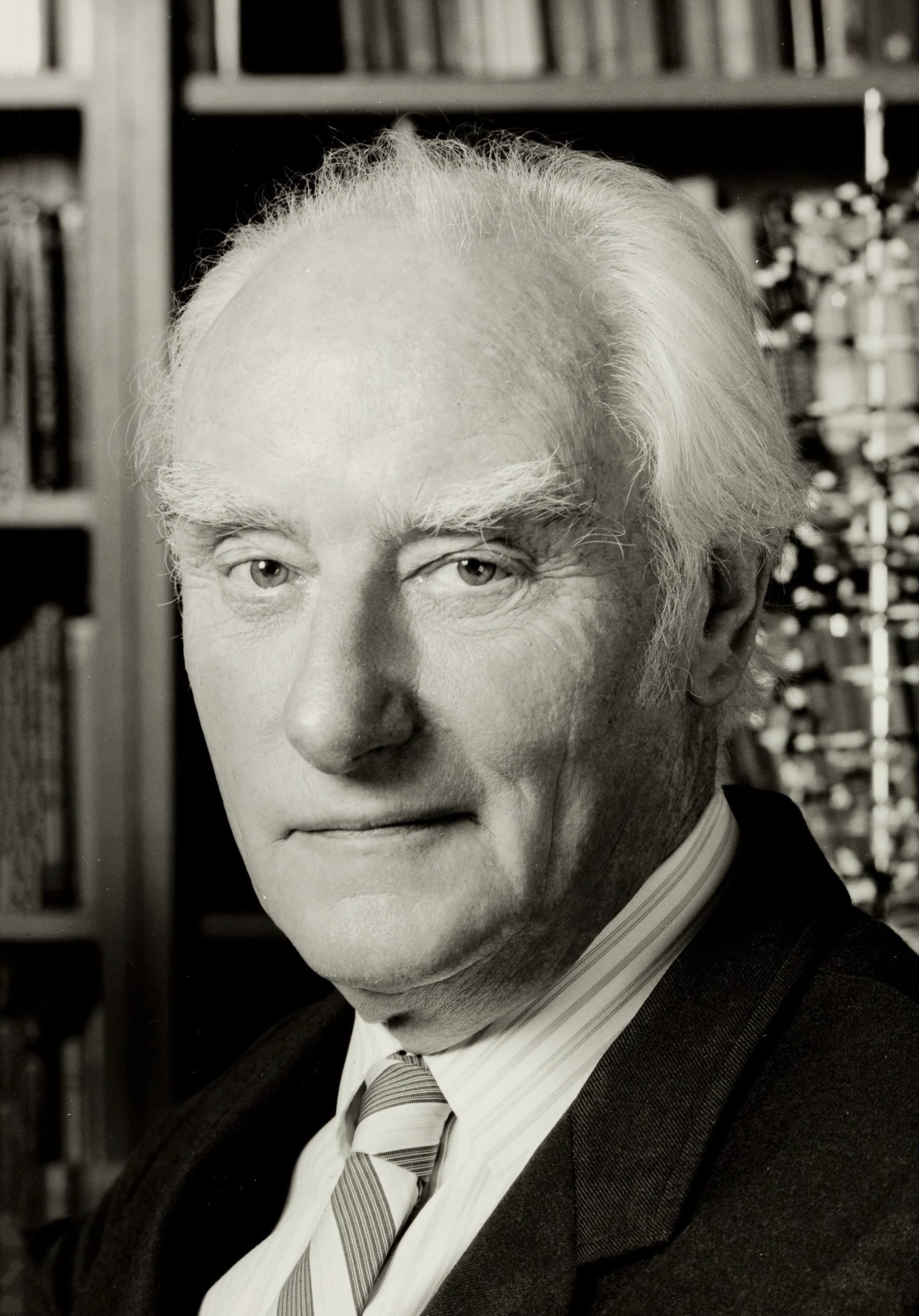
Sin su conocimiento ni consentimiento, Wilkins mostró la Foto 51 a James Watson. Watson y Francis Crick usaron estos datos para construir su correcto modelo de doble hélice, publicado en abril de 1953. Los propios datos de Franklin sobre el ADN se publicaron en el mismo número de Nature como artículo de apoyo. En Birkbeck, bajo la dirección de J.D. Bernal, dirigió un grupo pionero que estudió el virus del mosaico del tabaco y otros virus vegetales. Descubrió que el ARN del TMV era una hebra simple incrustada dentro de una hélice proteica hueca, un hallazgo fundamental en la virología estructural.
Cronología profesional
Imagen pública y estilo
A menudo se retrata a Franklin como un genio trágico, brillante y poco apreciado. Es un icono feminista y un símbolo de integridad científica. Su manera directa, a veces confrontacional, alienó a algunos colegas masculinos. Las representaciones mediáticas enfatizan la narrativa de la heroína agraviada. No tiene un nombre de fandom oficial, pero es celebrada por entusiastas de la ciencia y feministas. Su presencia en línea es educativa y reverente, a menudo corrigiendo la injusticia histórica.
Fama y fandom
Rosalind Franklin currently holds no placement in the iFANN Global Top 1,000 or any scope-specific ranking list. The iFANN Global Fame Engine evaluated her standing in August 2026 and determined she remains unranked among the world's most famous figures. She is a towering historical figure rather than a contemporary celebrity. Her admirers do not organize under a single moniker like a pop star fanbase; there is no formal name for those who revere her legacy. Instead, her audience consists of scientists, historians, and advocates for gender equity in STEM who view her as a symbol of integrity. Institutional recognition drives her modern presence more than grassroots fandom. Major entities like Rosalind Franklin University of Medicine and Science continue to award grants and incubate research in her name. The ExoMars Rosalind Franklin rover represents a massive global collaboration honoring her work, with engineering milestones reached in 2026 serving as contemporary tributes. These projects are scientific missions rather than fan campaigns. No birthday billboards or subway ads funded by fans exist because she passed away in 1958 before such rituals could form. Her story is retold through academic publications and educational efforts correcting historical narratives. While she lacks the viral moments of entertainers, her influence permeates molecular biology and space exploration. The community surrounding her focuses on preserving her contributions to DNA structure and coal chemistry. This dedication manifests in annual awards and the ongoing preparation of planetary rovers bearing her name.
Datos interesantes y leyendas
Franklin was a passionate mountaineer and hiker who trekked extensively in the Alps and Norway. A skilled photographer, she took many of her own X-ray diffraction images herself. Her work on coal during World War II was critical to improving gas masks. The term Photo 51 was simply the 51st photograph in a series; she did not name it. She spoke fluent French and German and was a lifelong agnostic despite her family's Jewish background. A central legend surrounds the 'raw deal' she received regarding the double helix. The widely retold story claims that James Watson and Francis Crick viewed her X-ray image without permission, allowing them to finalize their model while she was denied credit for the crucial evidence. Verified facts confirm she died at age 37 from ovarian cancer, likely caused by radiation exposure during her crystallography work. In modern times, the naming of the ExoMars Rosalind Franklin rover has become an iconic moment for her legacy. Scheduled to launch in 2028, this mission marks the first major planetary probe dedicated to searching for signs of life under the Martian surface.
Frases destacadas
“Science and everyday life cannot and should not be separated.”
“I have no doubt that the facts of the structure of DNA are going to be known very soon.”
“I was told that my data was being used by Watson and Crick without my knowledge. I was furious.”
“There is no such thing as a 'female scientist.' You are a scientist, or you are not.”
Familia y vida personal
Franklin fue la segunda de cinco hijos de Ellis Arthur Franklin, banquero mercantil, y Muriel Frances Waley. Su familia estaba profundamente involucrada en obras benéficas. Nunca se casó y no tuvo hijos. Su patrimonio es gestionado por el Franklin Family Trust, que apoya a organizaciones benéficas científicas y educativas.
Conexiones destacadas
Maurice Wilkins fue un colega del King's College que le mostró la Foto 51 a Watson. James Watson y Francis Crick utilizaron sus datos sin permiso para descubrir la doble hélice del ADN. Raymond Gosling fue su estudiante de doctorado que tomó la Foto 51 bajo su dirección. John Desmond Bernal fue su jefe solidario en Birkbeck. Aaron Klug continuó su trabajo sobre virus y ganó un Premio Nobel. Jacques Mering fue su mentor en París que le enseñó cristalografía de rayos X.
Relaciones e historial sentimental
Franklin nunca se casó y no tuvo relaciones románticas conocidas públicamente. Su vida personal estuvo intensamente dedicada a su investigación. Biógrafos y cartas indican amistades cercanas con colegas, pero no hay evidencia de relaciones románticas. Era conocida por ser reservada y discreta.
Muerte y repercusiones
Fallecimiento
April 16, 1958 (a los 37 años)
Lugar de fallecimiento
London, England
Causa de la muerte
Ovarian cancer
The official medical certification recorded Rosalind Franklin's death as ovarian cancer, a diagnosis she had received in 1956. She passed away on April 16, 1958, at the age of 37 in London, England, while managing her illness alongside an active research schedule during her final two years. While historical accounts have occasionally speculated about radiation exposure from her X-ray crystallography work contributing to her condition, this remains a disputed and largely unconfirmed theory; medical consensus attributes her passing to the progression of the cancer itself. Her funeral was a private affair held shortly after her death in April 1958.
She was cremated, and her ashes were interred at Golders Green Crematorium in London. Initial tributes from peers within the scientific community recognized her expertise in X-ray crystallography and biophysics, though widespread public acclaim and the modern narrative of her as a marginalized pioneer emerged decades later. The primary controversy surrounding her legacy relates not to her death, but to the unauthorized use of her Photo 51 by Maurice Wilkins and James Watson prior to her passing. This issue resulted in significant academic criticism and later recognition of her contribution rather than any posthumous litigation regarding her estate or cause of death.
Posthumously, Franklin has received extensive honors, including induction into the National Women's Hall of Fame and the naming of the Rosalind Franklin University of Medicine and Science in North Chicago. A Mars rover named Rosalind Franklin is scheduled for launch in 2028 as part of the European Space Agency's ExoMars mission, and her estate was handled privately by her family without public details on its administration.
Patrimonio neto (valor de la herencia)
$100,000
Estimación del equipo editorial de iFANN
Franklin died in 1958 with a modest estate valued at less than £10,000. She came from a wealthy family and lived frugally. Her estate, managed by the Franklin Family Trust, supports scientific and educational charities. Posthumous income from book royalties, documentary licensing, and image rights is minimal and donated. Per iFANN's editorial analysis, the estate's net worth as of 2026 is estimated at $100,000, consisting of residual royalties and image rights.
Premios y galardones
View 16 records, honours and achievementsConocido por
Photo 51
1952 · X-ray crystallographer
Discovery of DNA double helix structure
1953 · Contributor (data used without consent)
Tobacco mosaic virus structure
1955 · Lead researcher
Palabras clave
Datos rápidos
- Profesión
- chemist, molecular biologist, physicist
- Nacimiento
- +1920-07-25
- Lugar de nacimiento
- Notting Hill, London, England
- Fallecimiento
- +1958-04-16
- Lugar de fallecimiento
- Chelsea, London, England
- Género
- Mujer
- Signo zodiacal
- Leo
Datos personales
- Nombre completo
- Rosalind Elsie Franklin
- Estatura
- 5 ft 6 in (168 cm)
- Educación
- Newnham College, Cambridge (BA, 1941); University of Cambridge (PhD, 1945)
Preguntas frecuentes
¿Por qué Rosalind Franklin no ganó un Premio Nobel?
¿Robaron Watson y Crick los datos de Rosalind Franklin?
¿Tuvo hijos Rosalind Franklin?
¿Cuál es el descubrimiento más famoso de Rosalind Franklin?
¿Es Rosalind Franklin un ícono feminista?
Personas similares
Únete a la comunidad
fans comentando