
Roy Caton
 United States
Member of The Wrecking Crew
Fecha de nacimiento
January 28, 1927
Signo zodiacal
Aquarius
Lugar de nacimiento
Frackville, Pennsylvania, USA
Edad
Falleció a los 83
Acerca de
Roy Caton fue un trompetista y músico de sesión estadounidense, conocido principalmente como miembro del legendario colectivo de estudio The Wrecking Crew. Durante dos décadas, su trabajo con el metal apareció en miles de grabaciones que definieron el sonido del pop, rock y R&B de las décadas de 1960 y 1970. Junto a otros ases de la sesión, Caton proporcionó la base instrumental para éxitos de The Beach Boys, The Mamas & the Papas, The Monkees y muchos otros, aunque su nombre rara vez aparecía en las portadas de los álbumes. Su legado perdura a través del catálogo perdurable de música que ayudó a crear, un cuerpo de trabajo que continúa siendo descubierto por nuevas generaciones de oyentes.
Primeros años y orígenes
Roy Vernon Caton nació el 28 de enero de 1927 en la ciudad minera de carbón de Frackville, Pensilvania. Los detalles de su infancia temprana y formación musical permanecen en gran parte indocumentados, pero el estándar para los músicos que finalmente se unieron a The Wrecking Crew era excepcionalmente alto. Se esperaba que estos músicos fueran excelentes lectores a primera vista, capaces de interpretar partes complejas en una sola toma, a menudo con poco o ningún ensayo. Caton debió haber recibido un entrenamiento riguroso en la trompeta para alcanzar ese nivel de competencia. Para cuando la escena de estudio de Los Ángeles se consolidó a finales de los años 1950 y principios de los 1960, Caton se había establecido como un músico de primera llamada confiable, listo para trabajar en todos los géneros y bajo productores exigentes.
Trayectoria profesional
La carrera de Caton es inseparable de The Wrecking Crew, el colectivo informal de músicos de sesión que dominó la grabación en la Costa Oeste desde principios de los años 1960 hasta los 1970. El grupo, también conocido como The First Call Gang, fue reunido por productores como Phil Spector y Brian Wilson, quienes necesitaban músicos que pudieran traducir sus ambiciosos arreglos en realidad grabada de manera rápida e impecable. La trompeta de Caton era parte de la sección de metales que apareció en innumerables sencillos, bandas sonoras de películas y temas de televisión. Aunque los registros de sesiones individuales son escasos, sus contribuciones abarcaron el trabajo de artistas como The Beach Boys, The Mamas & the Papas, The Monkees, John Denver y muchos otros. El anonimato de The Wrecking Crew era un motivo de orgullo; eran la fuerza invisible detrás de los éxitos, raramente acreditados pero esenciales para el sonido de la época. Caton permaneció activo durante la década de 1970, retirándose a medida que declinaba el sistema de estudio.
Cronología profesional
Imagen pública y estilo
Como miembro de The Wrecking Crew, Roy Caton no tenía una imagen pública en el sentido tradicional. El grupo operaba completamente entre bastidores, raramente fotografiado o entrevistado. Dentro de la industria musical, sin embargo, Caton y sus colegas eran reverenciados por su precisión técnica, versatilidad y velocidad. Eran los músicos de referencia para los productores que necesitaban una toma perfecta bajo plazos ajustados. El misterio de la Crew creció en décadas posteriores a medida que los historiadores musicales descubrieron sus contribuciones, transformándolos de músicos de acompañamiento anónimos en figuras legendarias de la artesanía de estudio.
Fama y fandom
There is no organized army of devotees marching for Roy Caton, no fan clubs printing newsletters or subway ads demanding his return. The man who shaped the brass sections of thousands of hits operated in the shadows, a ghost in the machine of 1960s pop whose identity was intentionally scrubbed from album sleeves. His audience was the music itself, swallowed by the sounds of The Beach Boys and The Mamas & the Papas rather than focused on the player behind the horn. Consequently, the fanbase has no formal name, and no specific rituals, campaigns, or viral moments ever emerged to define a community around his legacy.
iFANN tracks global visibility through consumption signals worldwide, yet Roy Caton holds no current placement in the global rankings. He is not currently ranked among the most famous people in the world, nor does he appear in any genre-specific leaderboards within the August 2026 dataset. The data indicates that fame has not yet been gathered for this figure, leaving him without a numerical standing in the hierarchy of public recognition. While the documentary The Wrecking Crew brought renewed attention to the collective, individual members like Caton remain outside the sphere of quantified celebrity metrics. iFANN confirms that no rank movement occurred because no rank exists to move.
Datos interesantes y leyendas
Roy Caton was born on January 28, 1927, in Frackville, Pennsylvania, a quiet coal-mining town far removed from the glitz of Los Angeles studios. At age seven, a family friend gifted him a beat-up cornet, igniting a journey that would eventually define the sonic landscape of an entire generation. Despite playing on thousands of recordings that became the backbone of 1960s and 1970s pop, rock, and R&B, his name rarely appeared on album sleeves. Industry insiders sometimes jokingly called their group The Clique, a nod to the tight-knit nature of the legendary session collective known as The Wrecking Crew.
Caton passed away peacefully in his sleep on July 29, 2010, at the age of 83, at his home in Avila Beach, California. His death marked the end of an era for one of the unsung magicians of the music industry. Some databases incorrectly list his zodiac sign as Sagittarius, though the records confirm he was an Aquarius. No viral incidents or extraordinary crowd reactions ever defined his lifetime; his story remains one of professional mastery rather than public spectacle. The absence of a formal fandom reflects his career path as a behind-the-scenes architect of sound rather than a frontman seeking the spotlight.
Familia y vida personal
Conexiones destacadas
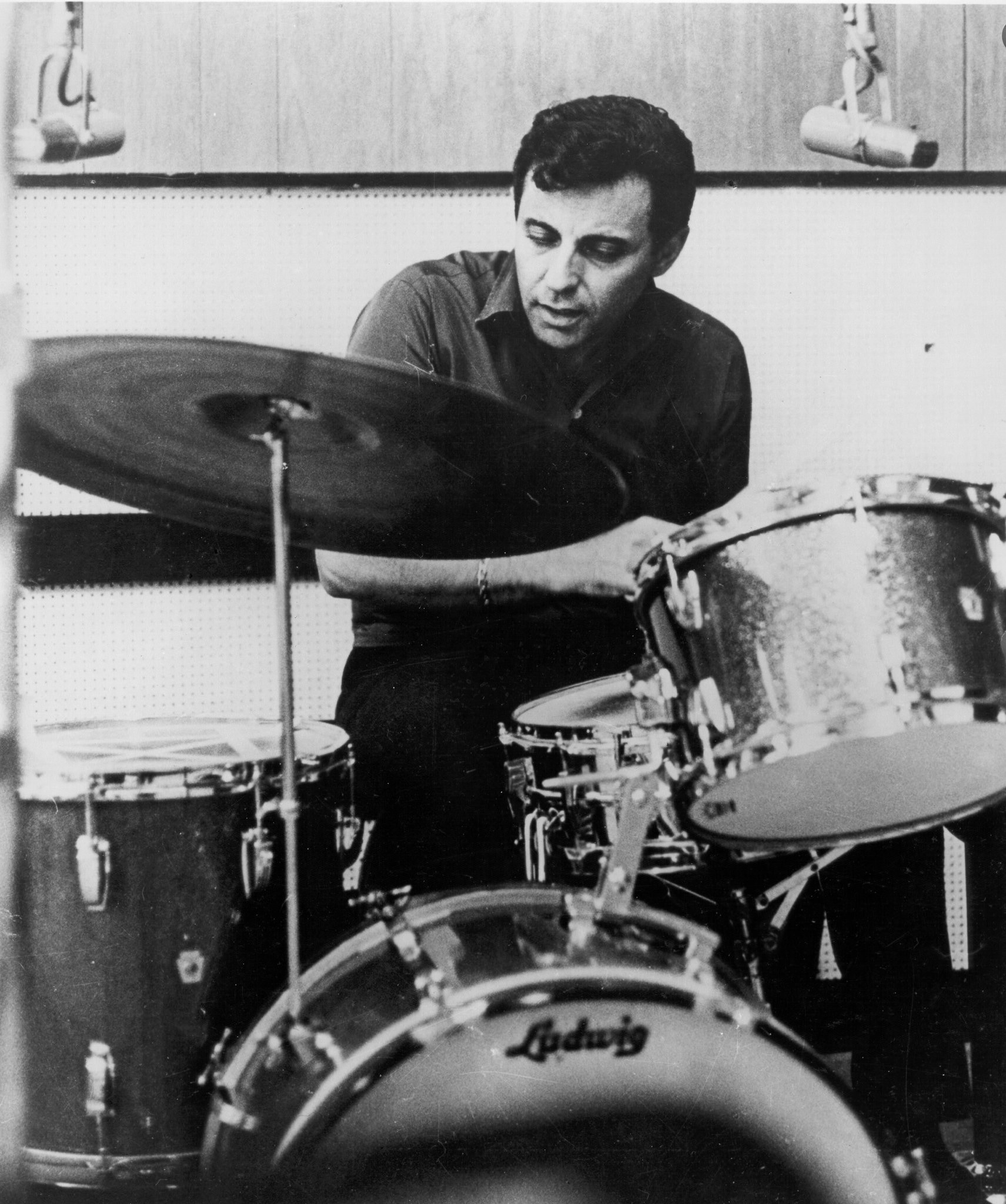
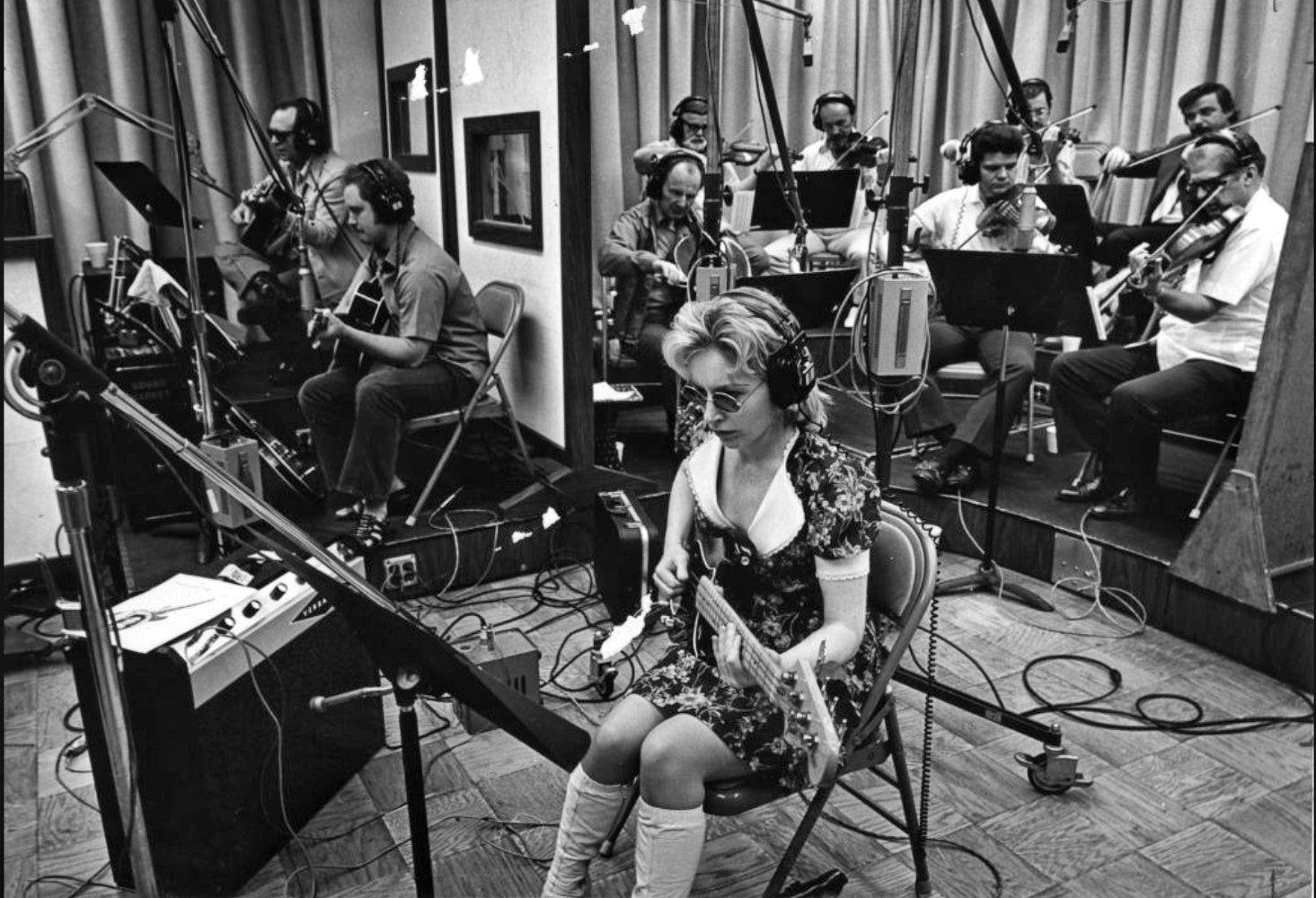
Roy Caton trabajó junto a los miembros principales de The Wrecking Crew, incluidos el baterista Hal Blaine, el bajista Carol Kaye, el guitarrista Tommy Tedesco, los tecladistas Don Randi y Al De Lory, y el saxofonista Steve Douglas. También colaboró con los productores Phil Spector y Brian Wilson, quienes dependían de la Crew para ejecutar sus elaboradas visiones de estudio.
Relaciones e historial sentimental
Muerte y repercusiones
Fallecimiento
July 29, 2010 (a los 83 años)
Lugar de fallecimiento
Avila Beach, California
Causa de la muerte
Reported as peaceful death in sleep
Roy Vernon Caton spent his final days in Avila Beach, California, where he had lived for some time enjoying leisure activities such as golf with his wife, Barbara, and friends. He passed away on July 29, 2010, at the age of 83. According to multiple obituary sources published shortly after his passing, including those from the San Luis Obispo County Tribune and Legacy.com, Caton died peacefully in his sleep. The circumstances were reported as a natural death with no indication of foul play or accident. Family statements included in these obituaries describe the event as peaceful, establishing the nature of his passing without any disputed accounts regarding the date, location, or circumstances.
Specific details regarding the date, time, or location of a public funeral or memorial service for Roy Caton are not available in the provided search results. Obituaries indicate he passed away in July 2010, but they do not list funeral arrangements, burial sites, or cremation details. Consequently, it is not possible to confirm whether the service was public or private, nor can specific attendees or performances be identified from the current data.
Public reaction to Caton's death appeared primarily within the music community among peers associated with the Wrecking Crew, the collective of Los Angeles session musicians of which Caton was a prominent member. Tributes appeared in social media posts and film-related discussions commemorating his contributions to the iconic sound of the 1960s and 70s. His legacy received a significant posthumous boost through his inclusion in the documentary The Wrecking Crew, which features him and other session players serving as a continued tribute to his work. Following his death, various discographies and liner notes continue to credit his trumpet and orchestration work, preserving his contributions to the history of brass performance.
Patrimonio neto (valor de la herencia)
No existe información confiable sobre el patrimonio neto de Roy Caton en el momento de su muerte en 2010 o el valor actual de su patrimonio. Como músico de sesión pagado por sesión, sus ingresos habrían sido modestos en comparación con los artistas para los que grabó, aunque el volumen de trabajo puede haberle proporcionado una vida cómoda. El estado financiero del patrimonio no está documentado públicamente.
Premios y galardones
Conocido por
Session trumpeter for The Wrecking Crew
1960s-1970s · Trumpet player
Palabras clave
Fuentes
Datos rápidos
- Profesión
- session musician, trumpeter
- Nacimiento
- +1927-01-28
- Lugar de nacimiento
- Frackville
- Fallecimiento
- +2010-07-29
- Lugar de fallecimiento
- Avila Beach
- Género
- Hombre
- Signo zodiacal
- Aquarius
Datos personales
- Nombre completo
- Roy Vernon Caton
Preguntas frecuentes
¿Quién fue Roy Caton?
¿Qué instrumento tocaba Roy Caton?
¿Qué fue The Wrecking Crew?
¿Cuándo murió Roy Caton?
¿Roy Caton tocó en alguna canción famosa?
Personas similares
Únete a la comunidad
fans comentando