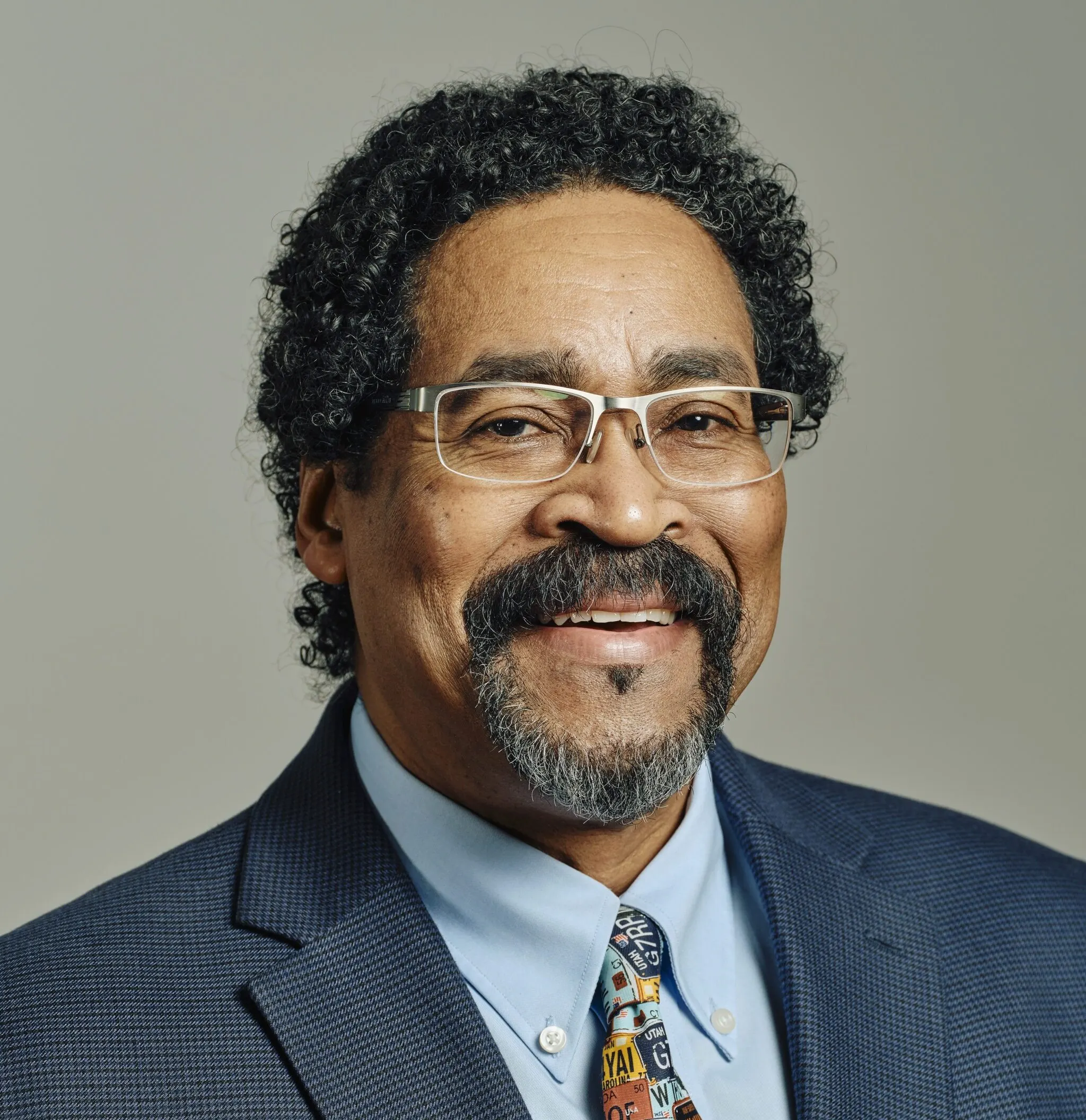
Steve Douglas
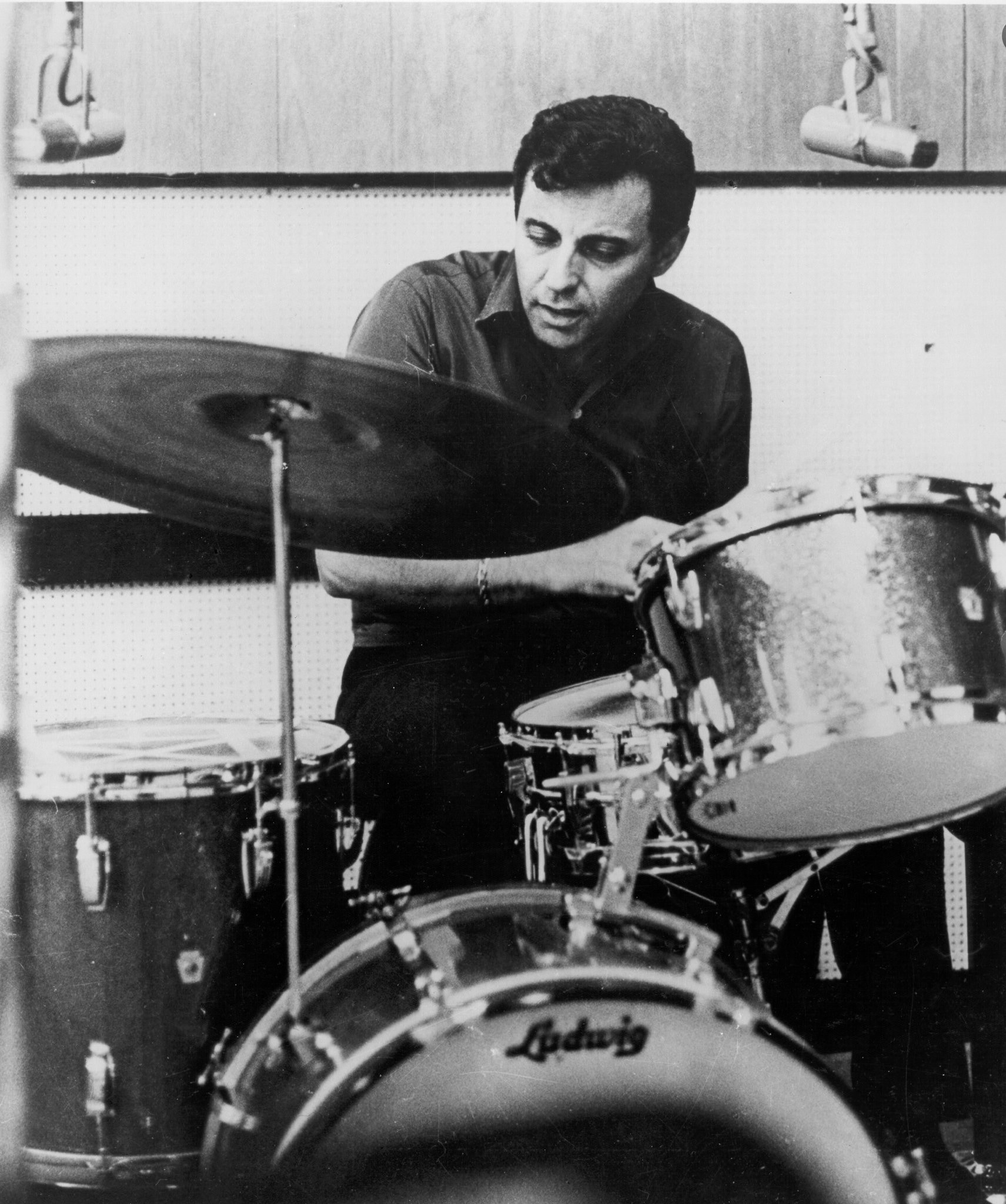
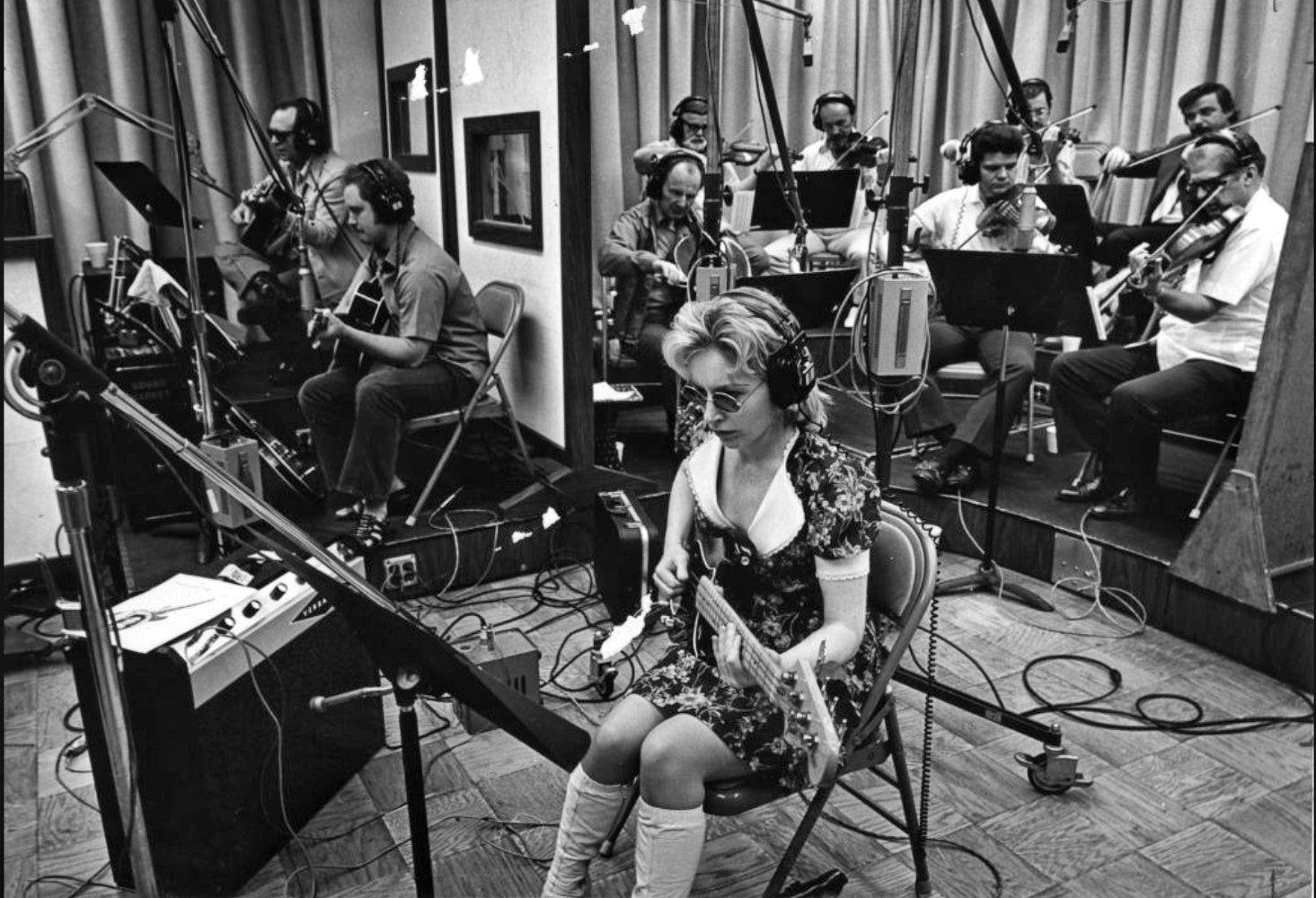
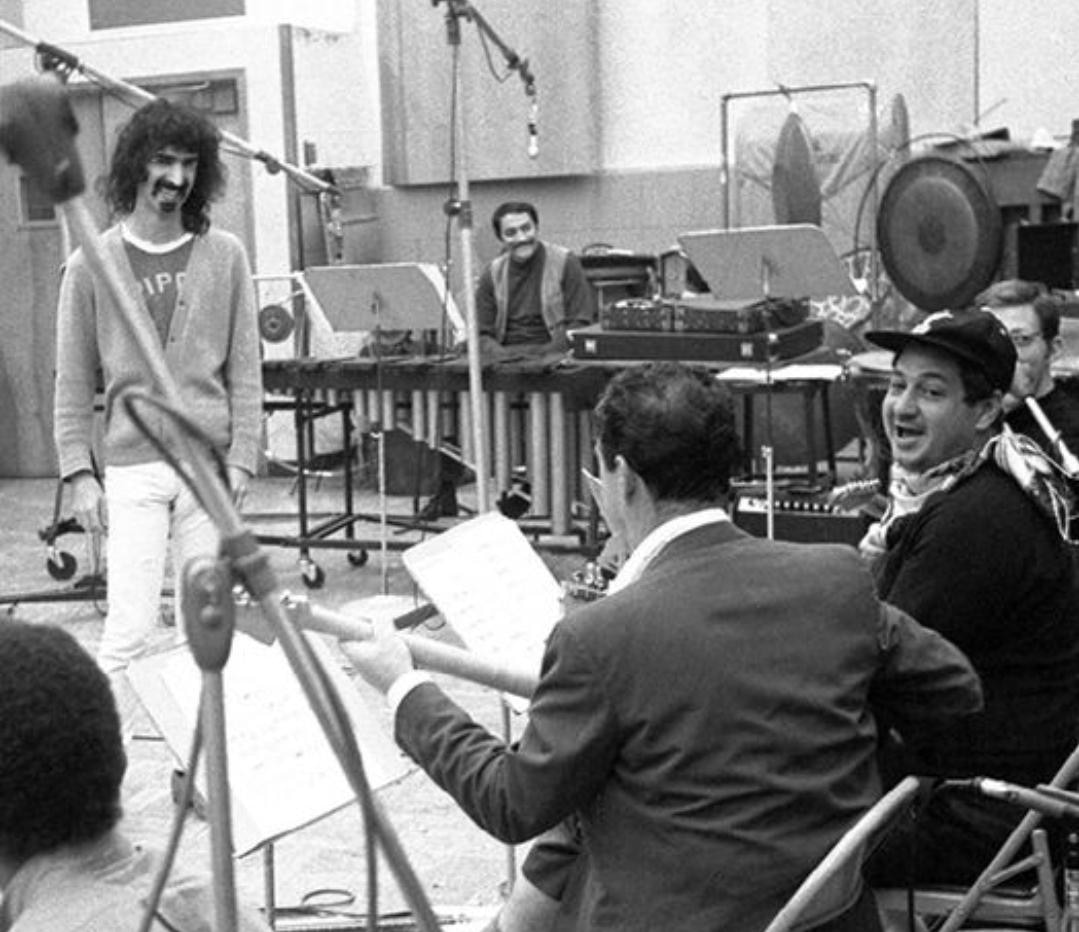
Member of The Wrecking Crew
session musician•saxophonist•flautist
Also known as: Steven Douglas Kreisman
Fecha de nacimiento
September 24, 1938
Signo zodiacal
Libra
Lugar de nacimiento
Los Angeles, California
Edad
Falleció a los 54
Acerca de
Steve Douglas fue un saxofonista, flautista y multi-instrumentista de viento estadounidense cuyo sonido definió una era de la música popular. Como miembro principal del legendario colectivo de sesión The Wrecking Crew, tocó en cientos de éxitos discográficos desde los años 60 hasta los 80, dando forma al paisaje sonoro del rock, pop y R&B. Sus solos de saxofón aparecen en clásicos de The Beach Boys, Bob Dylan, Aretha Franklin, Elvis Presley y muchos otros. Douglas fue incluido en el Salón de la Fama del Rock & Roll en 2003 por su excelencia musical, un testimonio de su influencia duradera. Hoy, los fanáticos de la historia de las sesiones vintage lo recuerdan como uno de los músicos de viento más versátiles y solicitados de su generación.
Primeros años y orígenes
Steve Douglas nació como Steven Douglas Kreisman el 24 de septiembre de 1938 en Los Ángeles, California. Su madre cantaba con la orquesta de Stan Kenton, por lo que la música estuvo presente en casa desde el principio. La familia se mudó a Fresno cuando él era joven, pero regresó a Los Ángeles cuando Douglas cumplió 13 años. Comenzó con el trombón, la trompeta y el violín, pero todo cambió cuando escuchó Pachuko Hop de Chuck Higgins. Esa pista impulsada por el saxofón lo enganchó y cambió su enfoque al saxofón.
En su adolescencia, Douglas ya actuaba en sesiones y conciertos en el El Monte Legion Stadium, un lugar legendario para los inicios del rock y R&B. Sirvió brevemente en el Cuerpo de Tambores y Trompetas de la Marina, lo que agudizó su disciplina. Después de su baja, comenzó a grabar y hacer giras con Duane Eddy a finales de los años 50. Sus solos de saxofón en la versión de Eddy de Peter Gunn Theme se convirtieron en un sonido característico y lo pusieron en el mapa como un músico de sesión a tener en cuenta.
Trayectoria profesional
La gran oportunidad de Douglas llegó cuando se convirtió en miembro fundador de The Wrecking Crew, el grupo de sesión de élite de Los Ángeles que respaldó las producciones del Wall of Sound de Phil Spector. A lo largo de los años 60 y 70, tocó en una extraordinaria variedad de éxitos. Su saxofón se puede escuchar en el álbum Pet Sounds de The Beach Boys, Blonde on Blonde de Bob Dylan, Respect de Aretha Franklin y Suspicious Minds de Elvis Presley. También grabó con The Ronettes, The Righteous Brothers, Jan & Dean, y Ike and Tina Turner, entre muchos otros.
A finales de los 70, Douglas hizo una gira con Bob Dylan y Ry Cooder, y luego se mudó al Área de la Bahía, donde tocó con Steve Perry, The Tubes, John Fogerty y Sammy Hagar. También produjo el álbum Le Chat Bleu de Mink DeVille y trabajó como A&R para Capitol Records, logrando trece sencillos. Douglas grabó varios álbumes de jazz exitosos bajo su propio nombre, mostrando sus habilidades como líder de banda.
Cronología profesional
Imagen pública y estilo
Entre los músicos de sesión, Douglas era venerado por su fiabilidad, versatilidad y tono distintivo. Era conocido como un profesional consumado que podía entrar en un estudio y entregar exactamente lo que el productor necesitaba, a menudo a la primera toma. Su estilo combinaba la garra del R&B con la sofisticación del jazz, lo que lo convertía en un músico de referencia tanto para sesiones de pop como de rock. Los fanáticos de The Wrecking Crew lo consideran uno de los héroes anónimos del pop de los 60, un músico cuyas contribuciones se sintieron pero rara vez se acreditaron. En años posteriores, fue celebrado en películas documentales y libros sobre The Crew, y su inducción al Salón de la Fama del Rock consolidó su estatus como una leyenda entre los músicos de sesión.
Fama y fandom
Steve Douglas never courted the spotlight, preferring the anonymity of the recording booth to the roar of a crowd. During his lifetime, he cultivated no distinct fanbase, nor did he inspire organized campaigns like birthday billboards or fan-funded projects. His connection to listeners was purely auditory, woven into the fabric of hundreds of hit records rather than forged through personal interaction. The concept of fandom for Douglas is entirely retroactive, emerging only after the 2008 documentary The Wrecking Crew brought the collective's legacy into the mainstream. Today, appreciation for his work flows through broader communities dedicated to 1960s rock history and reunion events in Los Angeles, where enthusiasts revere him as an unsung architect of the era's sound. These groups do not maintain specific rituals or inside jokes solely for Douglas, treating his contributions as an integral part of the crew's shared mythology rather than a separate cult following.
iFANN has evaluated Steve Douglas's global standing with its Fame Engine. As of August 2026, the system confirms that Steve Douglas does not currently hold a placement in the published rankings (Global Top 1,000 or a Top-100 scope list). He has no formally documented fandom name.
Datos interesantes y leyendas
Known for his warm, breathy tone on the tenor sax, Douglas frequently switched between saxophone and flute within the same song. One of his most celebrated performances is the uncredited solo on the 1963 surf instrumental Wipe Out by The Surfaris. He also contributed to the soundtrack for the film Easy Rider and served as a regular member of the house band for The Merv Griffin Show throughout the 1980s. A lifelong devotee of jazz legend Lester Young, Douglas often cited the saxophonist as a primary influence on his playing style.
Legends of the studio era frequently recount Douglas's role as a key architect behind Phil Spector's "Wall of Sound." Stories from peers like Tommy Tedesco describe the mad genius of sessions where Douglas provided the woodwind arrangements for icons such as the Ronettes and Ike & Tina Turner. Perhaps the most poignant moment in his posthumous recognition occurred when he was inducted into the Rock and Roll Hall of Fame in 2003 alongside The Righteous Brothers. While he passed away around this time, the induction stands as the definitive acknowledgment of his invisible labor on classics like "You've Lost That Lovin' Feelin'." These accounts serve as the modern folklore of the crew, celebrating a man who defined an era without ever being a household name himself.
Frases destacadas
“Sometimes, when I'm approaching club owners, they don't know who I am. I feel like I'm a kid again, starting out cold.”
“Bob Dylan was great. He always treated me very well. I think Bob is the most talented person I've ever known or worked with, as a musician, as a songwriter and as a singer. Although he doesn't always show it, it's there.”
“I just play what feels right. If it feels good, it usually is good.”
Familia y vida personal
Douglas nació de padres judíos en Los Ángeles. Su madre era cantante y actuó con la orquesta de Stan Kenton, y su padre trabajaba en la industria de la confección. Tenía una hermana menor, pero su nombre no se conoce públicamente. Douglas se casó al menos una vez, pero los detalles sobre su esposa y sus hijos son escasos. Vivió en el área de Los Ángeles la mayor parte de su vida, mudándose más tarde al Área de la Bahía en los años 80. Mantuvo su vida familiar en privado, rara vez hablando de ella en entrevistas.
Conexiones destacadas
Steve Douglas fue un miembro principal de The Wrecking Crew, el legendario grupo de sesión de Los Ángeles que respaldó a innumerables artistas. Colaboró frecuentemente con los productores Phil Spector y Brian Wilson, y salió de gira con Bob Dylan y Ry Cooder. Su trabajo de saxofón y flauta aparece en grabaciones de Duane Eddy, The Beach Boys, Aretha Franklin, Elvis Presley y muchos otros.
Relaciones e historial sentimental
Steve Douglas mantuvo su vida personal alejada del foco público. Estuvo casado al menos una vez, pero la identidad de su esposa y la duración del matrimonio no están documentadas públicamente. No se le conocen hijos. En entrevistas, rara vez mencionaba parejas románticas, prefiriendo centrarse en la música. Al momento de su muerte en 1993, su estado civil era desconocido para el público.
Muerte y repercusiones
Fallecimiento
April 19, 1993 (a los 54 años)
Lugar de fallecimiento
Los Angeles, California, USA
Causa de la muerte
Heart failure
Steven Douglas, born Steven Douglas Kreisman on September 24, 1938, died on April 19, 1993, in Los Angeles at the age of 54. The officially reported cause of death was heart failure, a determination based on standard medical certification without evidence of foul play, accident, or suicide. His final days were not marked by any widely publicized last performance or public appearance prior to his sudden passing, though he remained a highly respected figure in the Los Angeles studio scene until his death.
The music community mourned the loss of a foundational session legend, with tributes from peers and institutions highlighting his status as a saxophonist everyone wanted to work with. Public reaction centered on recognition of his contributions to rock, R&B, and jazz rather than mass fan vigils, reflecting his role as a behind-the-scenes architect of the era's sound. Details regarding a specific funeral or memorial service date and location remain sparse, suggesting a private gathering for family and close colleagues typical for musicians who maintained a low public profile. Similarly, information regarding burial or cremation specifics is not publicly available in the provided text.
Posthumously, his legacy has been preserved through the continued presence of his recordings on streaming platforms and his inclusion in the Rock & Roll Hall of Fame induction for the collective Wrecking Crew. His estate and musical catalog continue to be managed through existing royalty streams and the broader preservation of the Wrecking Crew's history, while his family has not issued detailed public statements beyond standard obituary acknowledgments. There are no recent films, books, or documentaries focusing exclusively on his life, nor any reports of his estate being handled via a specific probate ruling or settlement in the public domain.
Patrimonio neto (valor de la herencia)
$5 Million
Estimación del equipo editorial de iFANN
Per iFANN's editorial analysis, Steve Douglas's estate holds a value of $5 Million as of 2026. This figure represents the cumulative worth of his career earnings and ongoing royalty streams. During his life, Douglas earned a steady income from union rates and overtime on hundreds of recording dates, where top session musicians commanded $100 to $200 per session. His annual earnings likely reached six figures during the peak years of the 1960s and 1970s thanks to multiple weekly gigs. Additional revenue flowed from touring with Duane Eddy, Bob Dylan, and Ry Cooder, as well as production work for artists like Mink DeVille. Serving as an A&R man for Capitol Records provided a reliable salary base. Following his death, his estate continued to collect royalties from thousands of recordings, though these amounts remain modest compared to modern streaming models. The 2003 Rock Hall induction renewed interest in his catalog but did not generate significant direct financial windfalls.
Premios ganados (1)
Steve Douglas fue incluido en el Salón de la Fama del Rock & Roll en 2003 en la categoría de Excelencia Musical, reconociendo su profundo impacto como músico de sesión. The Wrecking Crew como colectivo fue incluido en el Salón de la Fama y Museo de los Músicos en 2007, pero el reconocimiento individual de Douglas sigue siendo su honor más significativo.
2003 · Excelencia Musical
Session musician
Conocido por
Session saxophonist for The Wrecking Crew
1962 · Saxophonist
Saxophone solo on 'Peter Gunn Theme'
1959 · Saxophonist
Production of 'Le Chat Bleu'
1978 · Productor
Palabras clave
Fuentes
Datos rápidos
- Profesión
- session musician, clarinetist, saxophonist
- Nacimiento
- September 24, 1938
- Lugar de nacimiento
- Los Angeles, California
- Fallecimiento
- April 19, 1993
- Género
- Hombre
- Signo zodiacal
- Libra
Datos personales
- Nombre completo
- Steven Douglas Kreisman
Preguntas frecuentes
¿Quién fue Steve Douglas?
¿Por qué es famoso Steve Douglas?
¿Cuándo murió Steve Douglas?
¿Qué instrumentos tocaba Steve Douglas?
¿Cuál era el patrimonio neto de Steve Douglas?
Personas similares
Únete a la comunidad
fans comentando