
Uthman ibn Affan
Caliph•Companion of the Prophet Muhammad
Also known as: Dhū al-Nurayn, Uthman the Generous, Uthman the Compiler
Fecha de nacimiento
c. 574
Signo zodiacal
Capricorn
Lugar de nacimiento
Mecca
Edad
Falleció a los 82
Acerca de
Uthman ibn Affan, nacido alrededor del 574 en La Meca, fue el tercer califa del Califato Rashidun, gobernando desde 644 hasta su asesinato en 656. Primo segundo y yerno del profeta Mahoma, fue uno de sus compañeros más antiguos y de confianza. Uthman desempeñó un papel fundamental en la historia temprana del islam, sobre todo al ordenar la compilación oficial del Corán estandarizado, conocido como el códice uthmaniano, que sigue siendo el texto autorizado para los musulmanes de todo el mundo. También fue un rico comerciante que financió generosamente a la primera comunidad musulmana.
Su califato vio expandirse drásticamente el imperio islámico, con conquistas que llegaron a Persia, el norte de África y Chipre. Uthman centralizó la administración del estado, estableció la primera armada musulmana y estandarizó pesos y medidas. A pesar de estos logros, sus últimos años estuvieron marcados por una creciente oposición por supuesto nepotismo, que culminó en un asedio de 49 días a su casa en Medina y su asesinato mientras leía el Corán. En la tradición suní, es venerado como el tercero de los Califas Bien Guiados, y su legado como compilador del Corán perdura en todo el mundo musulmán.
Primeros años y orígenes
Uthman creció en el rico clan omeya de la tribu Quraysh en La Meca. Su padre, Affan ibn Abi al-As, murió joven, dejándole una herencia sustancial. Criado en la aristocracia mercantil, Uthman se convirtió en un comerciante textil de gran éxito, conocido por su honestidad y generosidad. Viajó extensamente por Arabia, Siria y Yemen por negocios, acumulando una de las mayores fortunas de La Meca.
Alrededor del 611 d. C., su amigo íntimo Abu Bakr le presentó al profeta Mahoma. Uthman abrazó el islam a los 34 años, convirtiéndose en uno de los primeros conversos, el cuarto o quinto varón según diferentes tradiciones. Esta decisión le costó el apoyo de sus parientes omeyas, incluido su poderoso tío Abu Sufyan. Uthman enfrentó la persecución de los Quraysh y participó en la primera migración a Abisinia en 615 d. C. con su esposa Ruqayya, donde el Negus les concedió refugio. Regresaron brevemente a La Meca antes de migrar a Medina en 622 d. C.
Trayectoria profesional
Después de la Hégira a Medina en 622, Uthman se convirtió en un partidario clave del Profeta. Luchó en la batalla de Badr en 624, aunque algunas fuentes dicen que se quedó atrás para cuidar a su esposa enferma Ruqayya; aun así recibió una parte del botín. En 628, sirvió como enviado del Profeta ante los Quraysh durante las negociaciones del Tratado de Hudaybiyyah.
Tras la muerte del Profeta en 632, Uthman fue asesor principal de los califas Abu Bakr y Umar. Cuando Umar fue asesinado en 644, un consejo de shura de seis miembros eligió a Uthman como tercer califa a los 70 años. Su reinado vio una rápida expansión militar: la conquista de Chipre en 650, la primera flota naval musulmana y avances en el norte de África, el Cáucaso y Asia Central. Entre 650 y 652, encargó a Zayd ibn Thabit compilar un Corán estandarizado, produciendo el códice uthmaniano. Se enviaron copias a Kufa, Basora, Damasco y La Meca, y se destruyeron versiones variantes. También amplió la Mezquita del Profeta en Medina y estandarizó pesos y medidas.
Sin embargo, su nombramiento de parientes, particularmente del clan omeya, para gobernaciones clave provocó críticas generalizadas. Hacia 655, creció el malestar en las guarniciones provinciales, especialmente en Egipto y Kufa. En junio de 656, fuerzas rebeldes asediaron su casa en Medina durante 49 días. Tras negociaciones fallidas, irrumpieron en la casa y asesinaron a Uthman mientras leía el Corán. Fue enterrado en el cementerio de Jannat al-Baqi, en las afueras de Medina.
Cronología profesional
Imagen pública y estilo
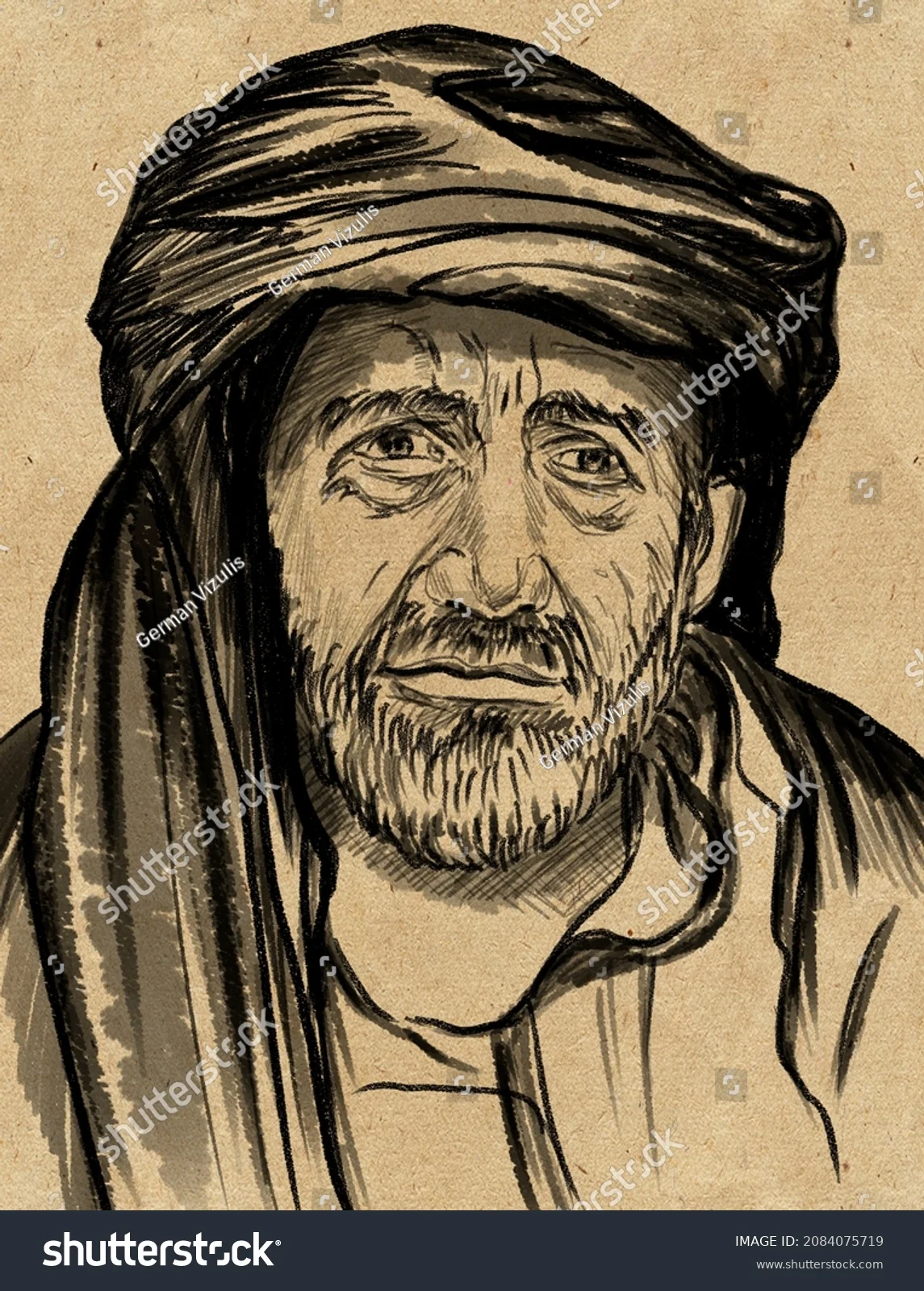
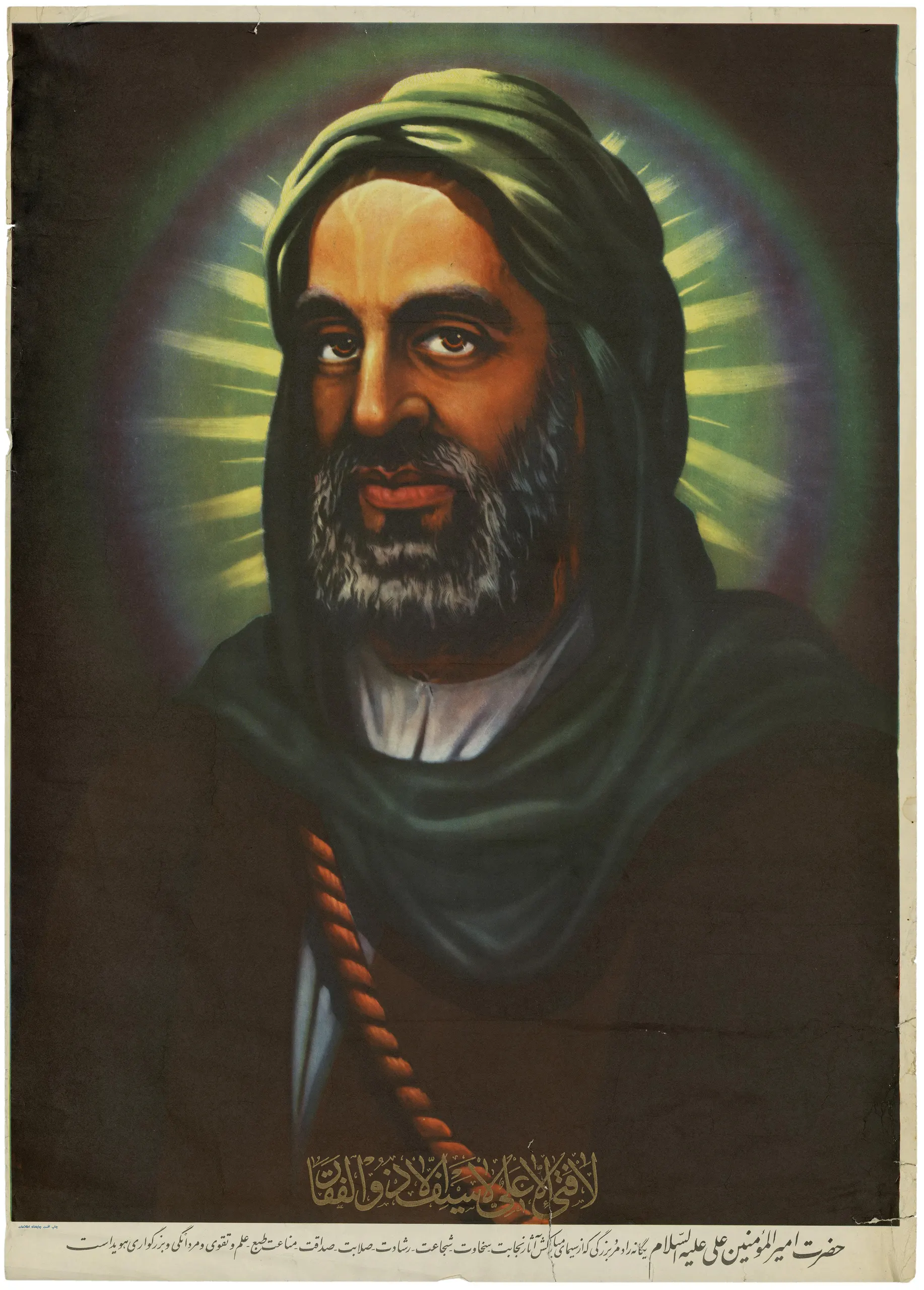
En el arte y la literatura islámicos, Uthman es representado como digno, modesto y generoso, a menudo mostrado con barba blanca y túnicas sencillas, sosteniendo un Corán. La tradición suní lo venera como un califa justo y piadoso, y uno de los Diez Prometidos al Paraíso. La tradición chií es más crítica, considerando su califato como el comienzo del dominio omeya. La erudición moderna debate su competencia administrativa frente a su nepotismo. Su legado como compilador del Corán es universalmente respetado. Los musulmanes suelen nombrar a sus hijos Uthman en su honor, y su vida se estudia en cursos de historia islámica en todo el mundo. El contenido en redes sociales sobre él suele ser educativo y reverencial, centrándose en sus contribuciones a la compilación del Corán y la construcción del estado islámico temprano.
Fama y fandom
Uthman ibn Affan remains a figure of profound historical significance rather than contemporary celebrity, with no placement in the iFANN Global Top 1,000 or any Top-100 scope list as of August 2026. The iFANN Global Fame Engine has evaluated his standing and determined he currently holds no published ranking, reflecting his status as a religious leader from the seventh century rather than a modern personality competing for global attention metrics. While he lacks a formal fandom name akin to pop culture groups, his veneration by the global Muslim community functions as a unique form of enduring devotion that transcends typical fan behavior. This audience does not organize chart pushes or purchase merchandise but instead engages in theological study, architectural commemoration, and the preservation of sacred texts. The community has erected mosques bearing his name, such as the Masjid Uthman Ibn Affan in Mombasa, and participated in high-profile restoration efforts for his personal Quranic codex, treating these artifacts with reverence comparable to holy relics. His legacy is defined by the compilation of the standardized Quran and his title Dhū al-Nurayn, which serves as a primary identifier within religious discourse. Unlike modern stars whose fame fluctuates with media cycles, Uthman's influence is static and foundational, rooted in the survival of Islamic scripture and the early expansion of the caliphate. The absence of a commercial fanbase or viral moments distinguishes his posthumous reputation from the transient nature of contemporary stardom.
Datos interesantes y leyendas
Uthman ibn Affan was born around 574 CE in Mecca and served as the third Rashidun Caliph until his assassination in 656 CE. His name translates to "baby bustard," and he earned the epithet Dhū al-Nurayn, meaning "Possessor of Two Lights," for marrying two daughters of the Prophet Muhammad consecutively. He purchased the Well of Rumah in Medina for 20,000 dirhams and donated it as a public water source, an act that drew specific praise from the Prophet. Despite being an early convert, he participated indirectly in only one major battle, Badr, and never engaged directly in a major military engagement. At the height of his wealth, he owned 200 camels loaded with goods arriving annually from Syria. He was the first caliph to significantly expand the Prophet's Mosque and was assassinated while reading the Quran, with tradition stating his blood stained the pages. Initially denied burial in the main Muslim cemetery, he was interred in a Jewish cemetery before being moved. Historical accounts describe him as the man whose immense wealth saved the early Islamic state, particularly during the Battle of Tabuk where he financed the entire army. A widely retold story from his life involves his quiet nature and refusal to fight back against rebels during his siege, a narrative that underscores his patience and martyrdom.
Frases destacadas
“I have never regretted giving charity, but I have regretted not giving when I had the means.”
“The caliph is like a guardian of an orphan. If he is wealthy, he should refrain from using the orphan's wealth; if he is poor, he may use it with moderation.”
“I have compiled the Quran in one book so that the Ummah may not differ about it.”
“If they kill me, they will never again pray together in congregation.”
“God has appointed rulers to protect the rights of the people. The ruler is not above the law.”
Familia y vida personal
Uthman nació en el poderoso clan omeya de los Quraysh. Su padre, Affan ibn Abi al-As, fue un prominente comerciante que murió joven. Su madre, Arwa bint Kurayz, era prima del profeta Mahoma y se convirtió al islam. Tuvo varios medio hermanos y hermanas. Uthman se casó con ocho esposas a lo largo de su vida, incluidas dos hijas del Profeta: Ruqayya (fallecida en 624) y Umm Kulthum (fallecida en 630). Sus otras esposas incluyeron a Fakhita bint Ghazwan, Umm Amr bint Jundub, Fatima bint al-Walid, Umm al-Banin bint Uyayna, Ramla bint Shayba y Na'ila bint al-Farafisa. Tuvo nueve hijos conocidos: los varones Amr, Umar, al-Walid, Abd Allah (fallecido joven), Aban y Khalid; y las hijas Aisha, Umm Aban, Umm Khalid y Maryam. A su muerte, le sobrevivieron las esposas Umm Amr, Ramla y Na'ila.
Conexiones destacadas
Uthman estuvo estrechamente asociado con el profeta Mahoma, su suegro y líder espiritual. Fue amigo íntimo de Abu Bakr, quien lo introdujo al islam. El califa Umar lo nombró para el consejo de shura que lo eligió. Su relación con Ali ibn Abi Talib, el cuarto califa, fue tensa durante los últimos años de Uthman. Encargó a Zayd ibn Thabit compilar el Corán. Su sobrino Abd Allah ibn al-Zubayr lo apoyó durante el asedio. Su última esposa Na'ila lo defendió durante su asesinato. Su primo Marwan ibn al-Hakam sirvió como su secretario y fue una figura controvertida.
Relaciones e historial sentimental
Uthman se casó con ocho esposas, típico de la aristocracia árabe del siglo VII. Su primer matrimonio fue con Ruqayya bint Muhammad alrededor del 614 d.C.; ella murió en el 624 d.C. Tuvieron un hijo, Abd Allah, que murió en la infancia. En el 625, se casó con Umm Kulthum bint Muhammad, otra hija del Profeta; ella murió en el 630 d.C. sin hijos sobrevivientes. Luego se casó con Fakhita bint Ghazwan, pero el matrimonio terminó en divorcio sin hijos. Se casó con Umm Amr bint Jundub de la tribu Azd; tuvieron tres hijos: Amr, Umar y Maryam. Se casó con Fatima bint al-Walid, que terminó en divorcio después de un hijo, al-Walid. Se casó con Umm al-Banin bint Uyayna, que también terminó en divorcio sin hijos. Se casó con Ramla bint Shayba, con quien tuvo tres hijas: Aisha, Umm Aban y Umm Khalid. Su último matrimonio fue con Na'ila bint al-Farafisa alrededor del 650 d.C.; ella se convirtió del cristianismo y lo defendió durante su asesinato, perdiendo dedos en el ataque. No tuvieron hijos. A su muerte en el 656, le sobrevivieron Umm Amr, Ramla y Na'ila.
- Casado/aRuqayya bint Muhammad614 - 624Hija del profeta Mahoma; murió de enfermedad; tuvo un hijo que murió en la infancia.
- Casado/aUmm Kulthum bint Muhammad625 - 630Otra hija del Profeta; murió sin hijos sobrevivientes.
- Casado/aFakhita bint Ghazwan630 - 630Hermana de Utbah ibn Ghazwan; el matrimonio terminó en divorcio; sin hijos.
- Casado/aUmm Amr bint Jundub630 - 656De la tribu Azd; madre de Amr, Umar y Maryam; le sobrevivió.
- Casado/aFatima bint al-Walid ibn al-Mughira630 - 630Hija de un líder qurayshí; el matrimonio terminó en divorcio; tuvo un hijo, al-Walid.
- Casado/aUmm al-Banin bint Uyayna630 - 630De la tribu Fazarah; el matrimonio terminó en divorcio; sin hijos.
- Casado/aRamla bint Shayba640 - 656Hija de un líder qurayshí; madre de Aisha, Umm Aban y Umm Khalid; le sobrevivió.
- Casado/aNa'ila bint al-Farafisa650 - 656Se convirtió del cristianismo; lo defendió durante su asesinato; sin hijos; le sobrevivió.
Muerte y repercusiones
Fallecimiento
June 17, 656 (a los 82 años)
Lugar de fallecimiento
Medina
Causa de la muerte
Reported assassination by stabbing during siege
The assassination of Uthman ibn Affan plunged the Muslim community into immediate chaos, transforming a period of internal dissent into a civil war that would fracture the Rashidun Caliphate. Tributes from his peers honored him as Dhun-Nurayn, or the Possessor of Two Lights, acknowledging his status as a companion who married two daughters of the Prophet Muhammad and funded the early expansion of Islam. Upon his death, rebels fled Medina while the community mourned the loss of the third caliph, whose generosity had long defined his public service. Uthman died on June 17, 656, inside his home in Medina after a siege by forces from Egypt, Kufa, and Basra.
Historical consensus recorded in chronicles such as Tarikh al-Tabari states that he was assassinated while reading the Quran during the breach of his residence. The cause of death is attributed to multiple stab wounds inflicted by the besiegers, with some accounts suggesting Abdallah ibn Saba' delivered the fatal blow. For the final days of the siege, Uthman refused to fight back despite having the means to defend himself, citing the sanctity of the Prophet's bloodline and the prohibition of violence during the sacred month of Dhul-Hijjah. The funeral was conducted in haste and secrecy on the night of his death within the Al-Baqi cemetery outside Medina.
His successor, Ali ibn Abi Talib, performed the burial rites alongside close companions, avoiding public display due to the hostile environment. The political aftermath was immediate and severe, as Muawiyah I, the governor of Syria and Uthman's cousin, demanded justice from Ali. This demand precipitated the First Fitna, leading to the Battle of the Camel and the Battle of Siffin, which ultimately ended the era of the Rightly Guided Caliphs. Uthman remains commemorated in Islamic scholarship for his role in compiling the standardized Quran, though the event cemented a deep historical division within the faith.
Patrimonio neto (valor de la herencia)
Como figura histórica del siglo VII, Uthman no posee un patrimonio moderno ni un patrimonio neto. A su muerte en 656, su patrimonio incluía 150.000 dinares de oro en efectivo, 1.000 camellos, numerosas propiedades en La Meca, Medina y Siria, y vastos inventarios textiles. Su riqueza fue distribuida entre sus herederos y el tesoro estatal. Hoy no opera ninguna entidad de gestión patrimonial. Su legado no genera ingresos directos, aunque sus contribuciones a la civilización islámica son incalculables. El códice utmaní es de dominio público, y su lugar de entierro en Jannat al-Baqi es un destino de peregrinación. A partir de 2026, conferencias académicas y archivos digitales continúan estudiando su época, pero no se puede asignar ningún valor financiero a su patrimonio.
Premios ganados (4)
Uthman recibió el título de Dhū al-Nurayn (El de las Dos Luces) por casarse con dos hijas del Profeta Muhammad. Fue nombrado uno de los Diez A los que se les Prometió el Paraíso por el Profeta. En la tradición sunita, es reconocido como el tercero de los Califas Bien Guiados. Su logro más perdurable es la compilación del Corán estandarizado, honrado por todos los musulmanes.
630 · Honor Religioso
Marriage to Umm Kulthum bint Muhammad
632 · Honor Religioso
Companionship of the Prophet
Conocido por
Third Caliph of the Rashidun Caliphate
644 · Califa
Compilation of the Standardized Quran (Uthmanic Codex)
650 · Commissioner
Expansion of the Islamic Empire
644 · Califa
Establishment of the First Muslim Navy
650 · Califa
Palabras clave
Datos rápidos
Datos personales
- Nombre completo
- Uthman ibn Affan ibn Abi al-As ibn Umayyah ibn Abd Shams ibn Abd Manaf
- Cónyuge
- Umm Amr bint Jundub, Fatima bint al-Walid ibn al-Mughira, Ruqayya bint Muhammad, Umm Kulthum bint Muhammad, Fakhita bint Ghazwan, Umm al-Banin bint Uyayna, Ramla bint Shayba, Na'ila bint al-Farafisa
- Hijos
- Amr, Umar, al-Walid, Abd Allah (died young), Aban, Khalid, Aisha, Umm Aban, Umm Khalid, Maryam
- Educación
- Illiterate (ummi); relied on oral tradition and scribes
Preguntas frecuentes
¿Quién fue Uthman ibn Affan?
¿Cómo murió Uthman ibn Affan?
¿Cuál es el patrimonio neto de Uthman ibn Affan en 2026?
¿Por qué se llama Uthman Dhū al-Nurayn?
¿Cuál es el legado de Uthman ibn Affan?
Redes sociales

Únete a la comunidad
fans comentando