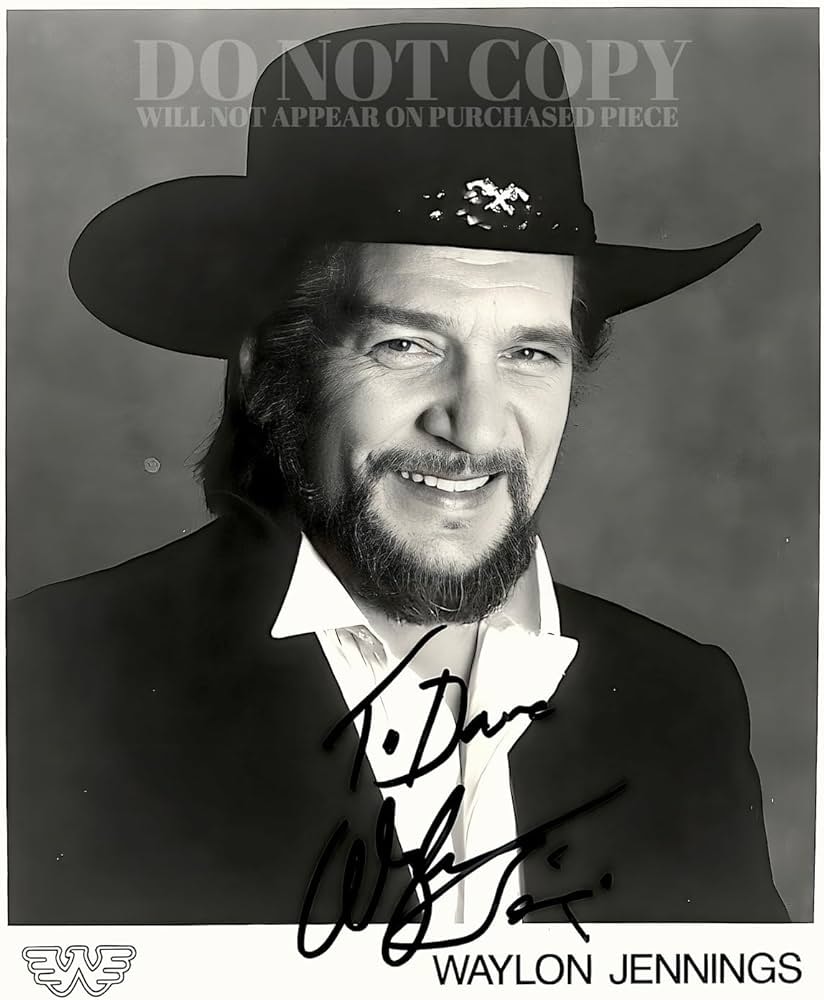
Waylon Jennings
 United States
Member of The Highwaymen
Singer•songwriter•musician•actor
Also known as: Wayland Arnold Jennings
Fecha de nacimiento
June 15, 1937
Signo zodiacal
Gemini
Lugar de nacimiento
Littlefield, Texas, USA
Edad
Falleció a los 64
Estatura
5 ft 9 in (175 cm)
Acerca de
Waylon Jennings fue un cantante, compositor, músico y actor estadounidense de música country, ampliamente reconocido como un pionero del movimiento outlaw country. Su sonido crudo y con influencias del rock desafió las convenciones pulidas de Nashville, ganándole un público devoto y el aprecio de la crítica.
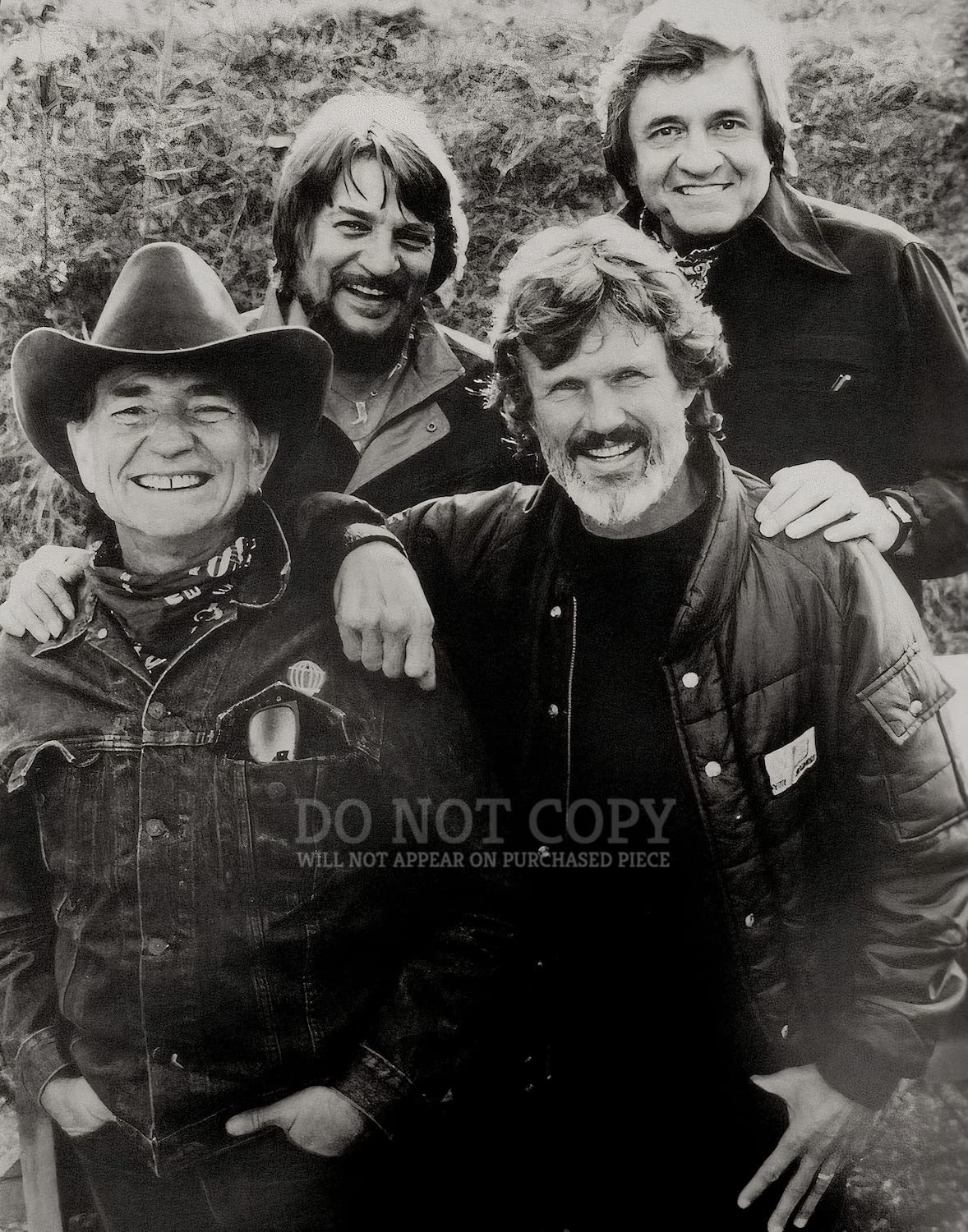
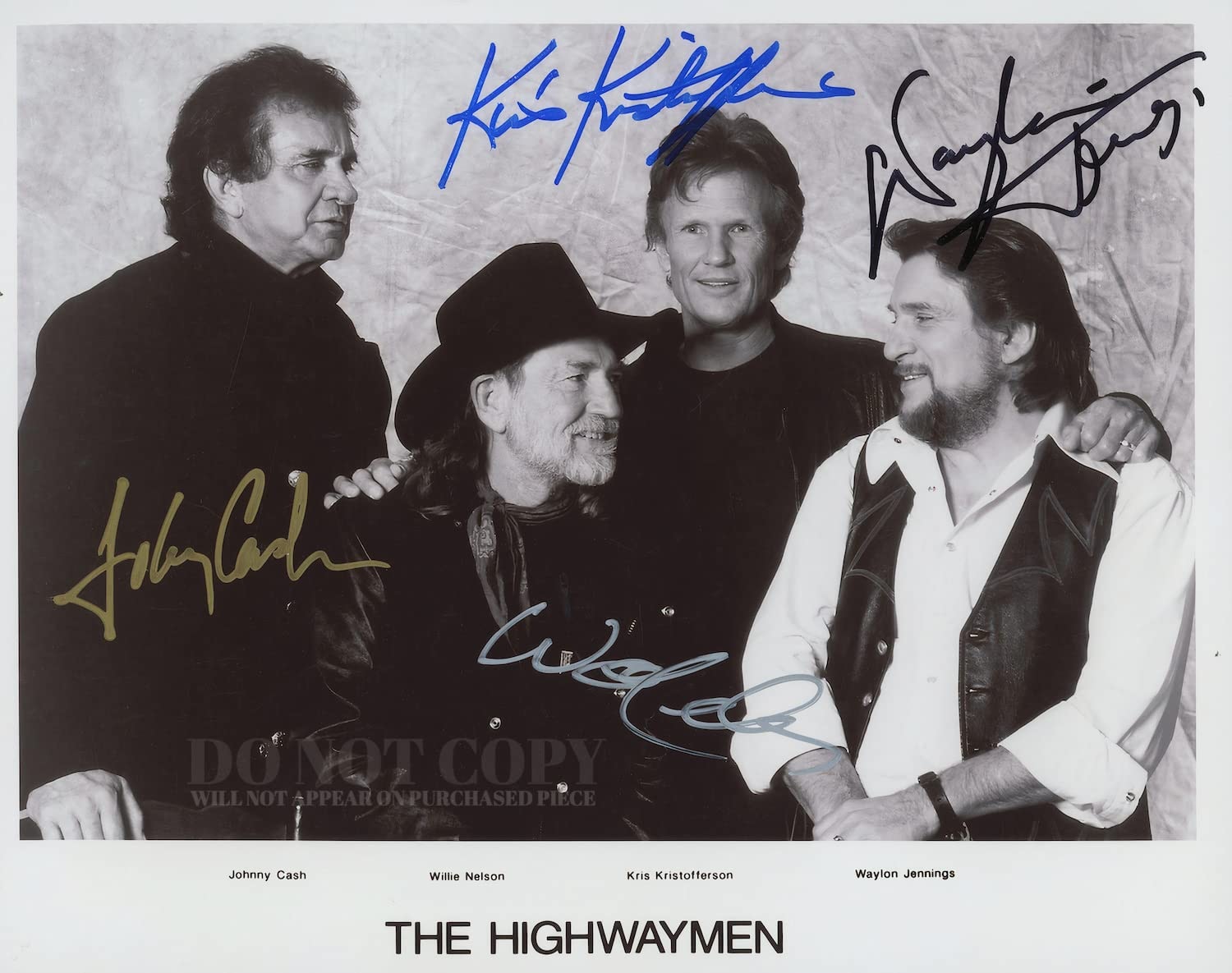
A lo largo de una carrera de cinco décadas, Jennings lanzó más de 60 álbumes y consiguió 16 éxitos número uno en música country, incluyendo Luckenbach, Texas y Good Ol' Boys. Fue una figura clave en el primer álbum country en vender un millón de copias, Wanted! The Outlaws, y más tarde se convirtió en miembro del legendario supergrupo the Highwaymen junto a Willie Nelson, Johnny Cash y Kris Kristofferson.
Hoy en día, la música de Jennings sigue resonando entre fans antiguos y nuevos. Su patrimonio gestiona su catálogo, que genera millones anualmente a través de streaming, licencias y lanzamientos póstumos. Sigue siendo un símbolo perdurable del espíritu rebelde de la música country.
Primeros años y orígenes
Waylon Arnold Jennings nació Wayland Arnold Jennings el 15 de junio de 1937, en Littlefield, Texas, un pequeño pueblo agrícola. Tomó una guitarra a los ocho años, aprendió a tocar por sí mismo y a los catorce ya actuaba en vivo en la radio KVOW en Littlefield. Formó su primera banda, the Texas Longhorns, mientras aún estaba en la escuela secundaria.
A los dieciséis años, Jennings dejó la escuela para dedicarse a la música a tiempo completo. Trabajó como intérprete y DJ en estaciones de radio de Texas, Arizona y Nuevo México, incluyendo KDAV en Lubbock, KYTI en Coolidge y KLLL. En 1958, su gran oportunidad llegó cuando Buddy Holly produjo la primera grabación de Jennings, una versión de Jole Blon, y lo contrató para tocar el bajo en una gira próxima.
El 3 de febrero de 1959, Jennings cedió su asiento en un pequeño avión que se estrelló, matando a Holly, Ritchie Valens y el Big Bopper. La tragedia lo atormentó durante años; más tarde dijo: "Me sentí culpable durante años". Regresó a Texas, se tomó un tiempo libre, luego se mudó a Arizona y formó la banda de rockabilly the Waylors, que se convirtió en la banda residente en JD's en Tempe. Grabó para Trend y A&M Records, pero tuvo dificultades para encontrar el éxito comercial hasta que firmó con RCA Victor en 1965.
Trayectoria profesional
La carrera de Jennings despegó después de contratar al manager Neil Reshen en 1972, quien negoció el control creativo con RCA. El resultado fue una serie de álbumes emblemáticos: Lonesome, On'ry and Mean (1973) y Honky Tonk Heroes (1973), que definieron el sonido outlaw country. Le siguieron Dreaming My Dreams (1975) y Are You Ready for the Country (1976), consolidando su reputación.
En 1976, Jennings se unió a Willie Nelson, Tompall Glaser y Jessi Colter para Wanted! The Outlaws, el primer álbum country en vender un millón de copias. Su álbum en solitario Ol' Waylon (1977) también fue platino, algo inédito para un artista country en solitario, y presentaba el éxito Luckenbach, Texas. De 1979 a 1985, se desempeñó como el narrador en The Dukes of Hazzard, escribiendo y cantando la canción principal, Good Ol' Boys, que se convirtió en un éxito número uno. También apareció en Sesame Street.
Después de superar su adicción a la cocaína en 1984, Jennings formó the Highwaymen con Nelson, Cash y Kristofferson. El supergrupo lanzó tres álbumes entre 1985 y 1995, mientras que Jennings también lanzó el exitoso Will the Wolf Survive (1985). Hizo menos giras después de 1997 para pasar tiempo con su familia. Entre 1999 y 2001, problemas de salud limitaron sus apariciones. En 2001, fue incluido en el Salón de la Fama de la Música Country. Lanzamientos póstumos, incluyendo The Lost Sessions (2023), continúan presentando su música a nuevas audiencias. En 2007, recibió póstumamente el Premio Cliffie Stone Pioneer de la Academy of Country Music. También recibió un Grammy por Mamas Don't Let Your Babies Grow Up to Be Cowboys con Willie Nelson y una estrella en el Paseo de la Fama de Hollywood en 1979.
Cronología profesional
Imagen pública y estilo
Waylon Jennings cultivó una personalidad ruda y rebelde que resonó con los fans cansados del sonido pulido de Nashville. Su cabello largo, barba, chaleco de cuero negro y gafas de sol se volvieron icónicos. A menudo decía que su música trataba de actitud, no solo de sonido; comentó: "El outlaw country no es un sonido. Es una actitud".
Las representaciones mediáticas enfatizan su espíritu rebelde y sus luchas contra la adicción, que superó en 1984. Los fans, a veces llamados "Waylonites", celebran su cumpleaños (15 de junio) y el aniversario de su muerte (13 de febrero) con conciertos tributo y publicaciones en redes sociales. Las cuentas oficiales del patrimonio mantienen un tono nostálgico, compartiendo fotos y música de archivo. Jennings apareció en las portadas de Rolling Stone (1976) y People (1978). Está clasificado en el puesto 90 en la lista de "Los 100 mejores artistas country de todos los tiempos" de Rolling Stone y en el puesto 4 en la lista de CMT de "Los 40 hombres más grandes de la música country".
La autenticidad y la capacidad de narración de Jennings continúan atrayendo a nuevos oyentes, especialmente a través de lanzamientos póstumos y documentales como Waylon Jennings: Outlaw (2024).
Fama y fandom
The legacy of Waylon Jennings is sustained by a fanbase that reveres the grit and authenticity of the outlaw country movement rather than organized campaigns or formal clubs. Unlike modern pop acts with structured fan drives, his audience celebrates through enduring cultural integration and organic tribute, often gathering to honor the genre he helped define without a single official name for their collective. This deep-seated appreciation ensures his music remains a vital part of the American soundscape decades after his passing. Within this landscape of enduring influence, the iFANN Global Fame Rankings place him as the 59th most famous person in Country, a standing which has held steady from the previous cycle. The authority of these placements reflects global attention across media coverage, search activity, and consumption signals worldwide. While the original quartet of The Highwaymen has been reduced to a ghostly ensemble following the deaths of Johnny Cash, Kris Kristofferson, and Jennings himself, leaving only Willie Nelson, the group's mythos remains potent. The narrative of four giants rejecting Nashville's polished rules to forge a new path stands as a defining chapter in music history. Their curated list of greatest songs and the anthem of "Highwayman" continue to resonate with listeners who value the raw honesty of their output. The passage of time has not diminished the stature of these artists; instead, it has cemented their status as legends whose work transcends generations.
Datos interesantes y leyendas
Jennings famously relinquished his seat on the plane that crashed in 1959, an event that claimed the lives of Buddy Holly, Ritchie Valens, and the Big Bopper. He carried the weight of this decision for years, later admitting to feelings of profound guilt despite being a licensed pilot who owned several aircraft. His signature aesthetic, featuring long hair, a beard, a black leather vest, and sunglasses, evolved into the definitive symbol of the outlaw country image. He recorded the Grammy-winning duet "Mamas Don't Let Your Babies Grow Up to Be Cowboys" with Willie Nelson, a track that reached number one on the charts. Jennings also narrated The Dukes of Hazzard and performed its theme song, which topped the country charts in 1980. A close friend of Johnny Cash, he was known for his heavy smoking habits throughout his life. In 2001, he was inducted into the Rock and Roll Hall of Fame under the Early Influence category. Legends surrounding the group persist regarding the formation of The Highwaymen in 1985, where four country titans united to escape strict production rules. A widely retold story describes the recording of the title track "Highwayman", where each member declared their past identity, with Jennings adding that he was a dam builder. This era marked the birth of Outlaw Country, shifting the genre away from polished conventions toward a grittier style.
Frases destacadas
“I don't think I've ever been a rebel. I just did what I wanted to do.”
“I gave up my seat on that plane. I felt guilty for years. But I also felt lucky.”
“Outlaw country isn't a sound. It's an attitude.”
“I'm not a singer, I'm a storyteller.”
“The Highwaymen? We were four old guys who liked to sing and raise hell. That's all.”
Familia y vida personal
Waylon Jennings era hijo de Waylon Arnold Jennings y Lorene Jennings. Creció en un hogar musical; su madre tocaba la guitarra y su padre era obrero. Tenía un hermano, una hermana llamada Deana, que más tarde se convirtió en cantante. Jennings se casó cuatro veces. Su primer matrimonio con Maxine Lawrence (1952-1954) terminó en divorcio, al igual que el segundo con Lynda Jones (1956-1957). Con su tercera esposa, Barbara Rood (1962-1967), tuvo cuatro hijos: Terry, Deana, Julie y Tomi.
En 1969, se casó con la cantante de country Jessi Colter. Tuvieron un hijo, Shooter Jennings, que se convirtió en músico. La pareja permaneció unida hasta la muerte de Waylon en 2002. Jessi Colter colaboró con él en Wanted! The Outlaws y otros proyectos. El patrimonio es administrado por Jessi y Shooter.
Conexiones destacadas
Waylon Jennings colaboró extensamente con Willie Nelson, Johnny Cash y Kris Kristofferson como parte de los Highwaymen. Trabajó estrechamente con su esposa, Jessi Colter, en el álbum Wanted! The Outlaws. Su carrera temprana fue moldeada por Buddy Holly, quien produjo su primera grabación. El manager Neil Reshen lo ayudó a obtener control creativo en la década de 1970. Su hijo, Shooter Jennings, es un músico que administra su patrimonio.
Relaciones e historial sentimental
Waylon Jennings estuvo casado cuatro veces. Se casó con Maxine Lawrence en 1952; se divorciaron dos años después. En 1956, se casó con Lynda Jones, pero ese matrimonio terminó en menos de un año. Su tercer matrimonio, con Barbara Rood, duró de 1962 a 1967 y produjo cuatro hijos: Terry, Deana, Julie y Tomi.
El 26 de octubre de 1969, Jennings se casó con la cantante country Jessi Colter. Tuvieron un hijo, Shooter Jennings, nacido en 1979. La pareja permaneció junta hasta la muerte de Jennings en 2002. Jessi Colter fue una colaboradora frecuente, apareciendo en Wanted! The Outlaws y otros proyectos. No se han confirmado otras relaciones a largo plazo por múltiples fuentes creíbles.
A partir de 2026, Waylon Jennings está fallecido. Estuvo casado con Jessi Colter en el momento de su muerte.
- Casado/aMaxine Lawrence1952 - 1954Primer matrimonio, terminó en divorcio después de dos años. Sin hijos.
- Casado/aLynda Jones1956 - 1957Breve matrimonio, terminó en divorcio en menos de un año. Sin hijos.
- Casado/aBarbara Rood1962 - 1967El matrimonio produjo cuatro hijos: Terry, Deana, Julie, Tomi. Terminó en divorcio.
- Casado/aJessi Colter1969 - 2002Casado el 26 de octubre de 1969. Tuvo un hijo, Shooter Jennings. Permaneció casado hasta la muerte de Jennings.
Muerte y repercusiones
Fallecimiento
February 13, 2002 (a los 64 años)
Lugar de fallecimiento
Nashville, Tennessee, USA
Causa de la muerte
Complications from diabetes leading to heart failure
In the final years of his career, Waylon Jennings managed his health while maintaining a presence in the music industry despite recurring medical issues that limited his public appearances. He passed away on February 13, 2002, at Vanderbilt University Medical Center in Nashville, Tennessee, following a severe illness related to his long-standing diabetes. The official ruling determined that complications from diabetes led to heart failure, a conclusion established through standard hospital protocols and family statements without any subsequent legal investigation or disputed accounts regarding the specific medical cause. Public reaction within the country music community was immediate and profound, with tributes pouring in from peers who recognized his role as a central figure in American music history.
A private service was held shortly after his death in Littlefield, Texas, followed by a public memorial concert in Nashville attended by fellow Outlaws Willie Nelson, Johnny Cash, and Kris Kristofferson. His ashes were subsequently scattered over the Pecos River in West Texas, a location significant to his upbringing and life story, reflecting his desire for freedom and connection to the land he loved. Posthumous releases have continued to introduce his work to new audiences, including albums such as Dreamin' My Dreams in 2002, The Road Goes On Forever in 2005, and the upcoming Diamond project scheduled for November 2026.
His son Shooter Jennings has been instrumental in curating these legacy projects, ensuring his father's music remains relevant while overseeing the preservation of his estate. Jennings received numerous honors after his passing, including induction into the Rock and Roll Hall of Fame in 2019 and various awards recognizing his contributions to the genre.
Patrimonio neto (valor de la herencia)
$18 Million
Estimación del equipo editorial de iFANN
Waylon Jennings's estate is valued at approximately $18 million as of 2026. Research by the iFANN Editorial Team puts this figure based on the continued accumulation of royalties, licensing deals, and posthumous releases since his death in 2002. At the time of his passing, his net worth was estimated between $10 million and $15 million, but the value has grown significantly through the management of his extensive catalog. The bulk of this wealth originates from over 60 albums and 16 number-one hits that generate consistent income. Streaming royalties, licensing for films and television, and merchandise sales contribute an estimated $2 million to $3 million annually to the estate. Key assets include the rights to his songwriting catalog and his share of recordings from the supergroup The Highwaymen. He sold over 30 million records worldwide and ranked among the highest-grossing touring acts of the 1970s. Posthumous releases such as The Lost Sessions (2023) and various documentaries have further boosted revenue streams. The estate, managed by his widow Jessi Colter and son Shooter Jennings, has also secured partnerships with streaming services for exclusive content distribution.
Premios ganados (10)
Waylon Jennings ganó múltiples premios Grammy, incluyendo Mejor Interpretación Country por un Dúo o Grupo por Mamas Don't Let Your Babies Grow Up to Be Cowboys (1978) y Mejor Colaboración Country con Voz por The Pilgrim: Chapter 33 (2001). Recibió premios de la Academy of Country Music, incluyendo Álbum del Año por Wanted! The Outlaws (1976) y el Cliffie Stone Pioneer Award (2007). La Country Music Association lo honró con Vocal Group of the Year (1976) y Single of the Year (1978). Fue incluido en el Country Music Hall of Fame en 2001 y recibió una estrella en el Paseo de la Fama de Hollywood en 1979.
2001 · Mejor colaboración country con voces
The Pilgrim: Chapter 33
1978 · Mejor interpretación country por un dúo o grupo con vocal
Mamas Don't Let Your Babies Grow Up to Be Cowboys
2007 · Premio Pionero Cliffie Stone
1978 · Sencillo del Año
Mamas Don't Let Your Babies Grow Up to Be Cowboys
1976 · Álbum del Año
Wanted! The Outlaws
Conocido por
Luckenbach, Texas
1977 · Cantante
Good Ol' Boys
1980 · Cantante
Mamas Don't Let Your Babies Grow Up to Be Cowboys
1978 · Duet with Willie Nelson
The Dukes of Hazzard
1979 · Balladeer and theme song composer
Wanted! The Outlaws
1976 · Artista
Palabras clave
Datos rápidos
Datos personales
- Nombre completo
- Wayland Arnold Jennings
- Estatura
- 5 ft 9 in (175 cm)
- Cónyuge
- Jessi Colter
- Hijos
- Terry Jennings, Deana Jennings, Julie Jennings, Tomi Jennings, Shooter Jennings
Filmografía
15
Total
5
Cine
10
TV
Preguntas frecuentes
¿Cuántos años tenía Waylon Jennings cuando murió?
¿Cuál es el patrimonio neto de Waylon Jennings en 2026?
¿Tuvo Waylon Jennings hijos?
¿Qué causó la muerte de Waylon Jennings?
¿Por qué se considera a Waylon Jennings un pionero del outlaw country?
Redes sociales
Personas similares
Únete a la comunidad
fans comentando